
The Blue Rider
the world's largest collection

The Lenbachhaus has the world’s largest collection of works by the Blue Rider artists, who were leading pioneers of classic modernism. Founded by Wassily Kandinsky, Franz Marc, Gabriele Münter, Alexej von Jawlensky, and Marianne von Werefkin, the group developed an increasingly abstract visual language; unified by the artists' shared belief in a "spiritual" dimension of art, it accommodated diverse formal modes of expression. A tour of the galleries sheds light on the evolution of the artists' work from the nascent modernism of Kandinsky's and Münter's early oil studies to the landscapes from Murnau and iconic paintings in luminous colors such as Franz Marc's "Blue Horse I" and "The Tiger."
The Blue Rider mounted its first exhibition at Galerie Thannhauser, Munich, in the winter of 1911. The show also included works by newcomers to the circle of friends such as August Macke and Heinrich Campendonk. A second exhibition, held at Galerie Goltz, Munich, in the spring of 1912, was larger still, with contributions by Paul Klee, Alfred Kubin, and others. Ample selections of works by all these artists can be seen in our presentation of art from our Blue Rider collection.
One gallery is dedicated to Kandinsky's famous large paintings. The gallery with works by Paul Klee was redesigned after the conclusion of an amicable settlement with the heirs of the former owners of the painting "Swamp Legend" (1919). The adjoining cabinet displays a survey of the different periods in Alexej von Jawlensky's oeuvre; among the highlights on view here are the rarely-seen paintings "The Hunchback" and "Seated Nude."
Other galleries combine examples of Art Nouveau and selections from Kandinsky's early oeuvre such as "Couple Riding" with works by Gabriele Münter, August Macke, Franz Marc, and Heinrich and Ada Campendonk. August Macke's lively small-format "Self-Portrait," acquired by the museum in 2017, makes its public debut. Iconic examples of the mature oeuvres of Franz Marc, including "Blue Horse" and "The Tiger," and August Macke, including "Milliner's Shop" and "Turkish Café," are gathered in another cabinet.
A sampling of works from the museum’s post-Expressionism and New Objectivity collections is on display in the large skylight hall. Some of these treasures created by German and international artists between 1918 and the 1940s had not been on view in many years. They exemplarily reflect the period’s unusually wide range of visual idioms and thematic concerns.
PLEASE NOTE:
The blue rider is currently installed in a new way and will be opened again as of March 23, 2021.
Works
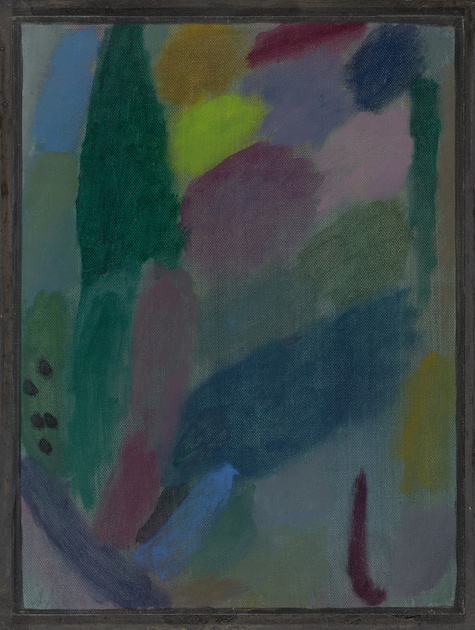
Alexej von Jawlensky
Nacht in St. Prex, 1916
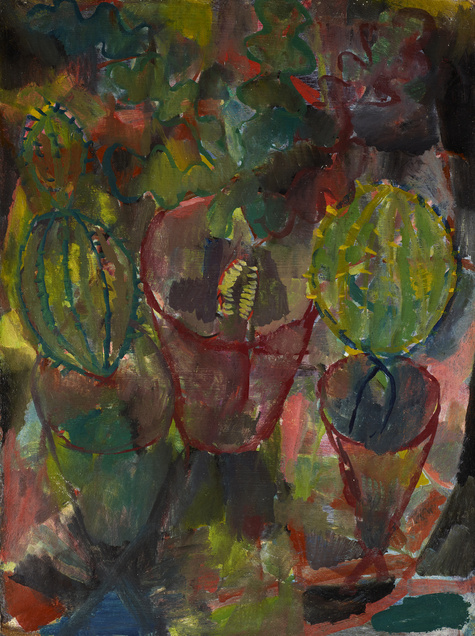
Paul Klee
Kakteen, um 1912
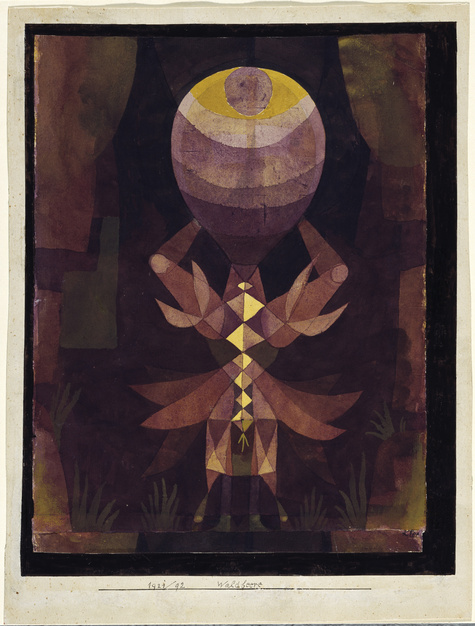
Paul Klee
Waldbeere, 1921, 92
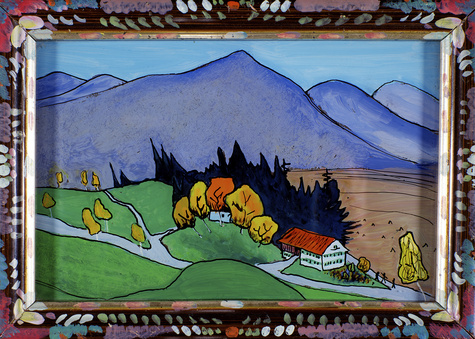
Gabriele Münter
Bayerische Landschaft mit Einödhof, um 1910

Wassily Kandinsky
Schwabing – Nikolaiplatz, Winter 1901/1902
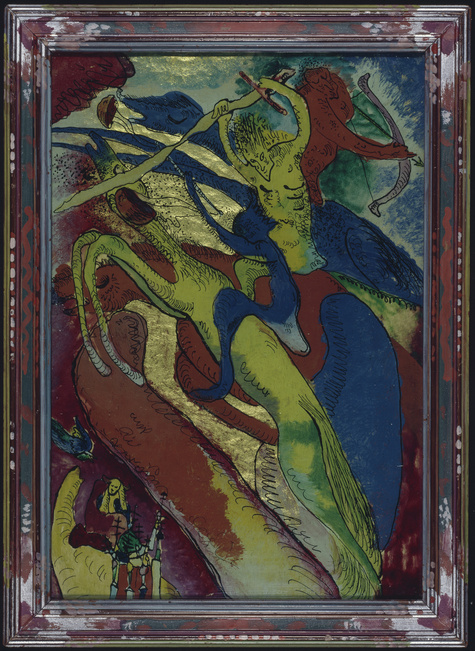
Wassily Kandinsky
Apokalyptische Reiter I, 1911
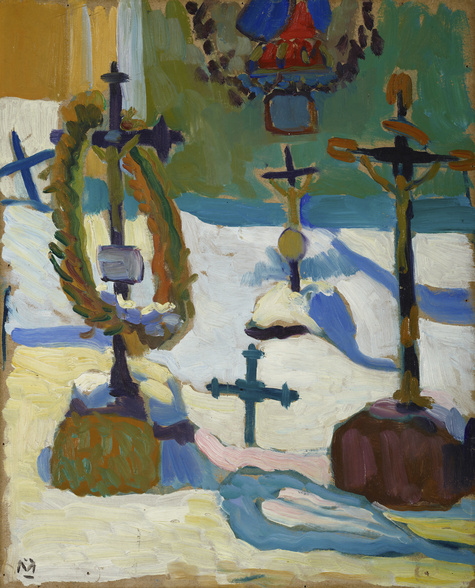
Gabriele Münter
Grabkreuze in Kochel, 1909

Wassily Kandinsky
Improvisation 6 ("Afrikanisches"), 1909
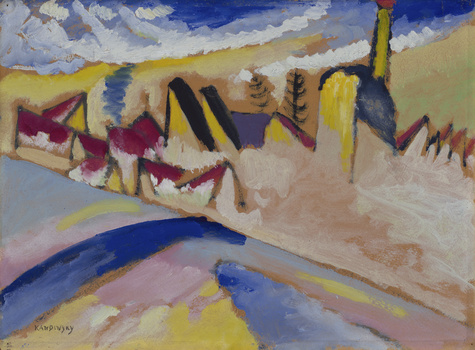
Wassily Kandinsky
Studie für "Winter II", Winter 1910/1911
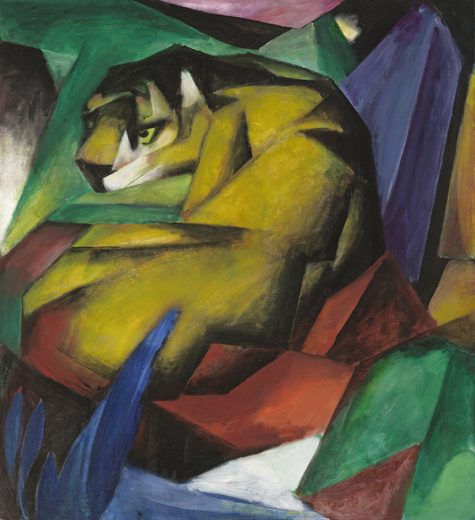
Franz Marc
Tiger, 1912
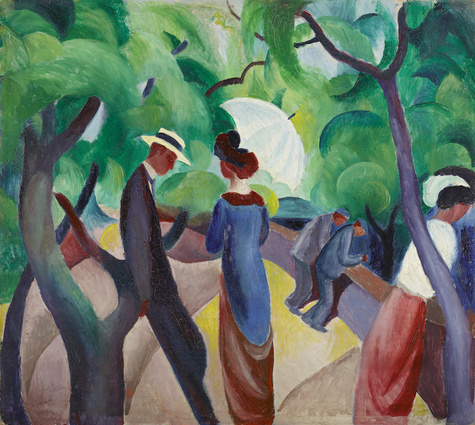
August Macke
Promenade, 1913
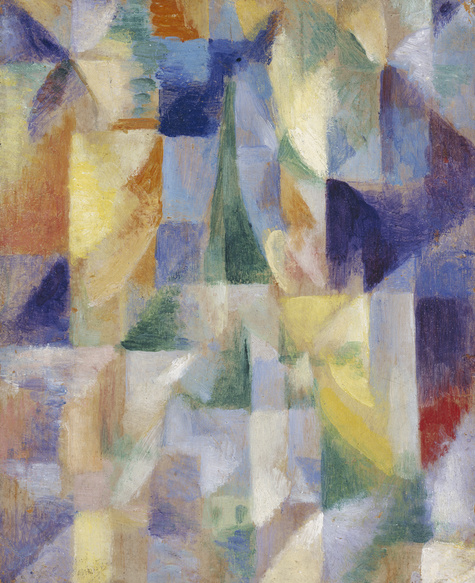
Robert Delaunay
Fenêtres sur la ville, 1914
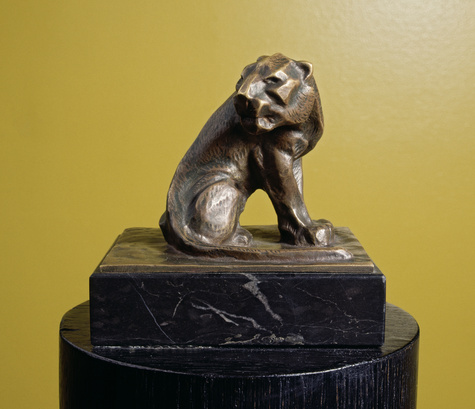
Franz Marc
Der Panther, 1908
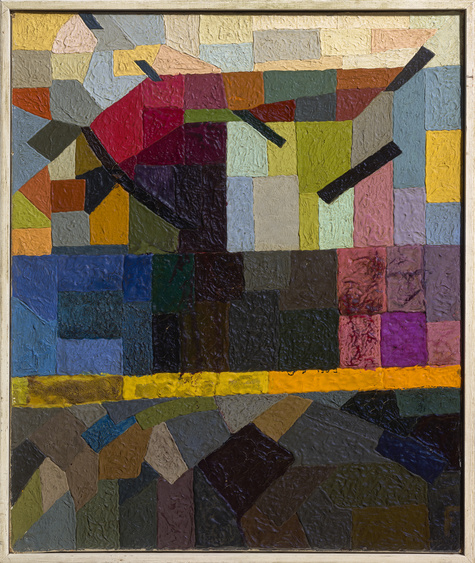
Otto Freundlich
Ein Baum, 1927
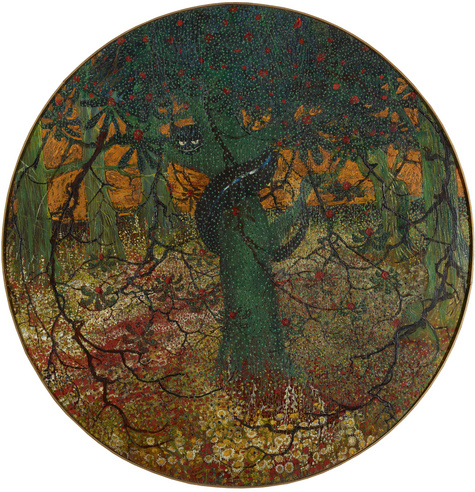
Carl Strathmann
Der Paradiesbaum mit Schlange, um 1900
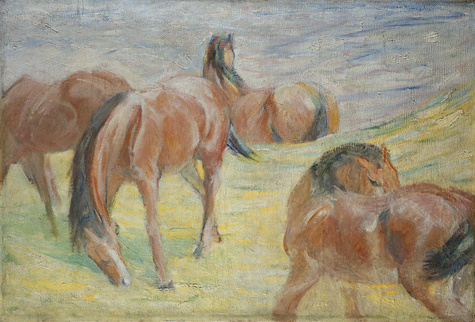
Franz Marc
Weidende Pferde I, 1910
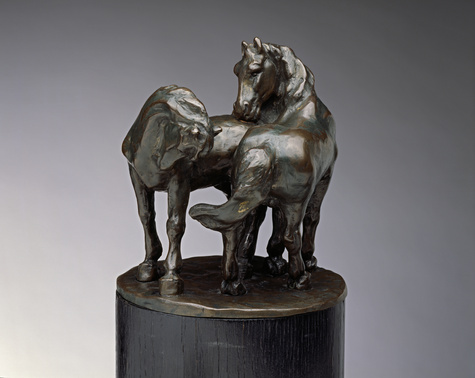
Franz Marc
Zwei Pferde, 1908/09
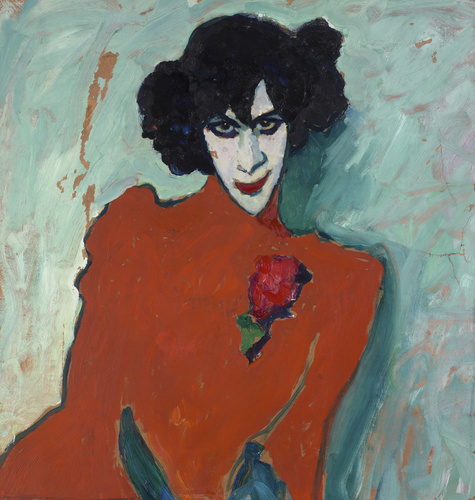
Alexej von Jawlensky
Bildnis des Tänzers Alexander Sacharoff, 1909
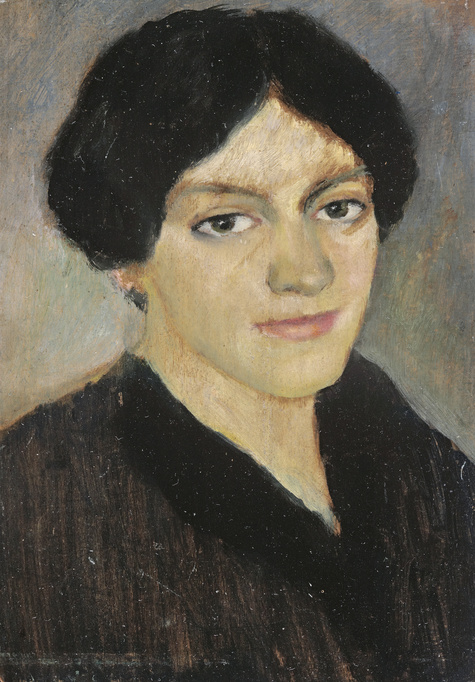
August Macke
Porträt Elisabeth Macke, 1910
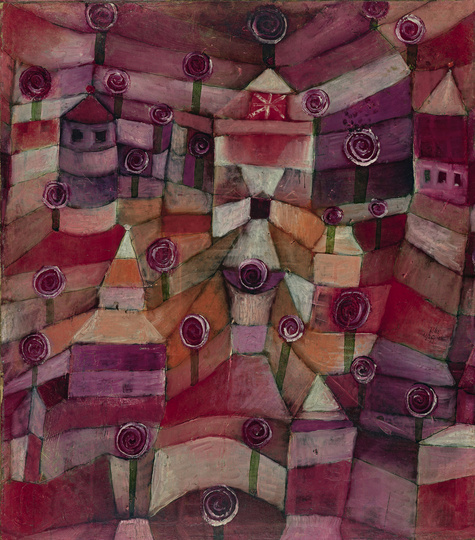
Paul Klee
Rosengarten, 1920, 44
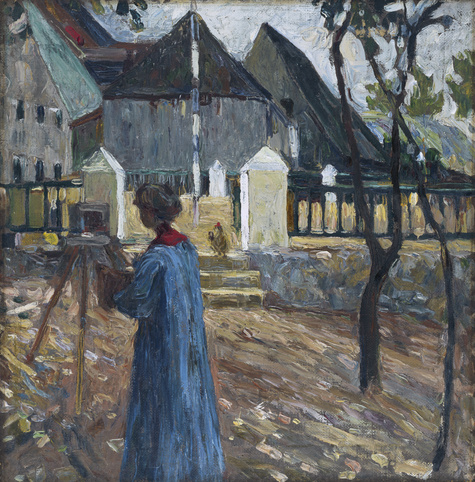
Wassily Kandinsky
Kallmünz – Gabriele Münter beim Malen II, Sommer 1903
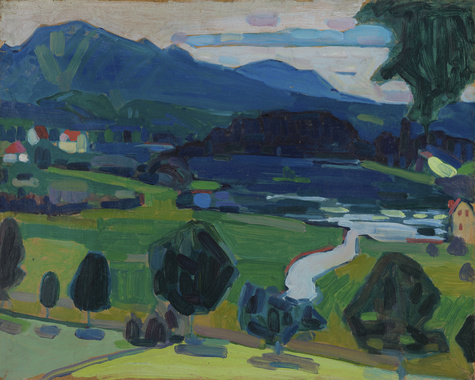
Wassily Kandinsky
Murnau – Blick über den Staffelsee, Sommer 1908
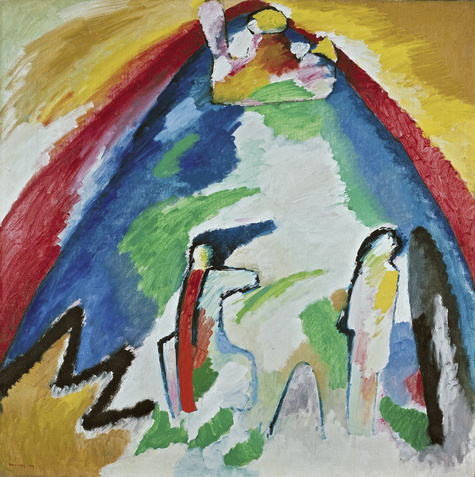
Wassily Kandinsky
Berg, 1909
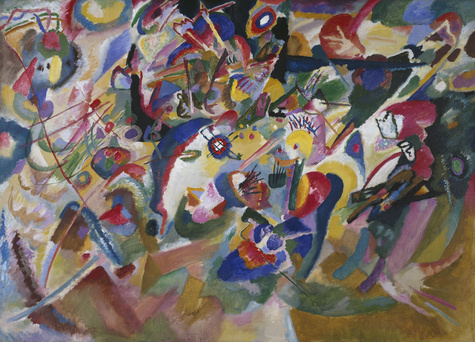
Wassily Kandinsky
Entwurf 3 zu "Komposition VII", November 1913
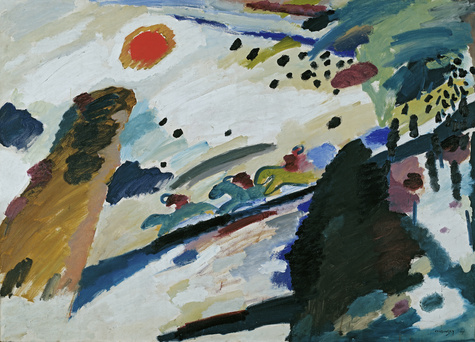
Wassily Kandinsky
Romantische Landschaft, 1911
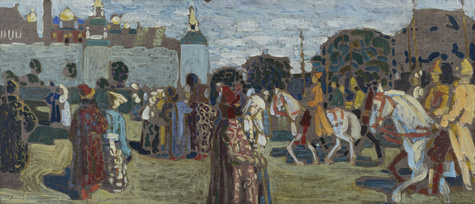
Wassily Kandinsky
Skizze für 'Sonntag (Altrussisch)', 1904
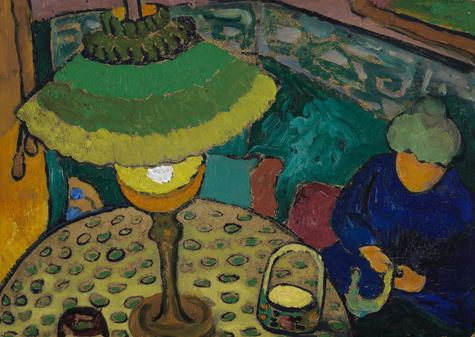
Erma Bossi
Interieur mit Lampe, 1909
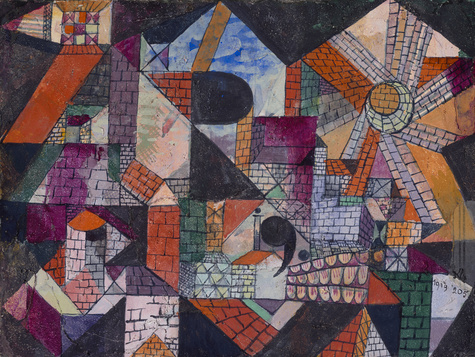
Paul Klee
Stadt R, 1919, 205
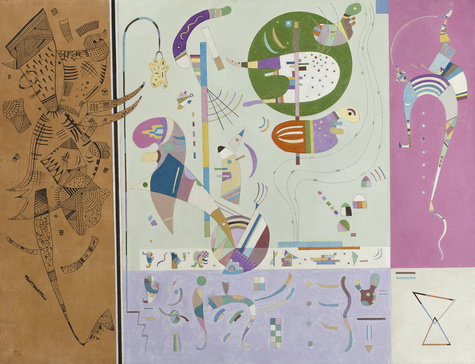
Wassily Kandinsky
Parties diverses, 1940
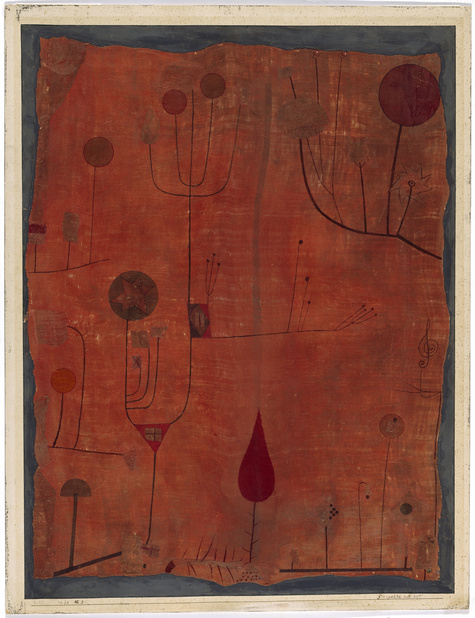
Paul Klee
Früchte auf Rot, 1930, 263 (AE 3)

Karl Caspar
Ostern / Auferstehung, 1926
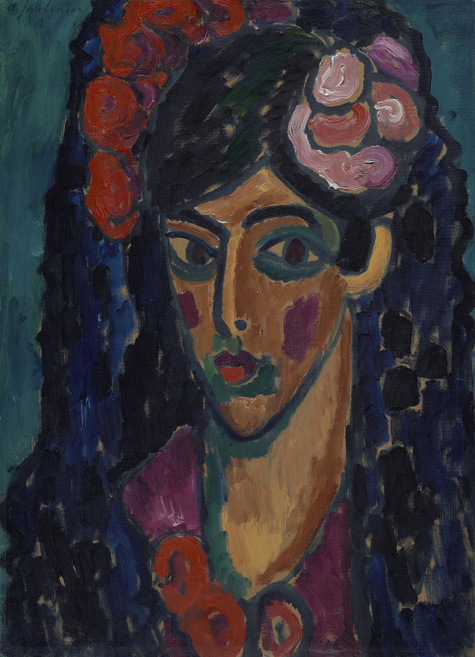
Alexej von Jawlensky
Spanierin, 1913
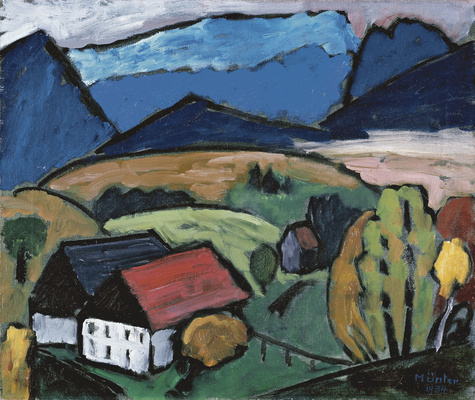
Gabriele Münter
Blick aufs Gebirge, 1934
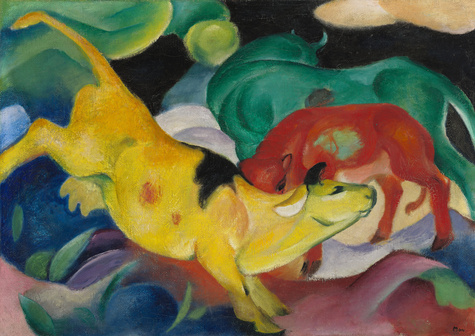
Franz Marc
Kühe, rot, grün, gelb, 1911
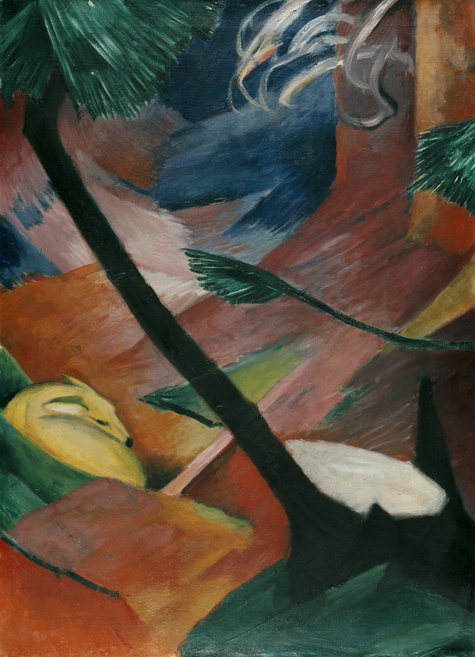
Franz Marc
Reh im Walde II, 1912
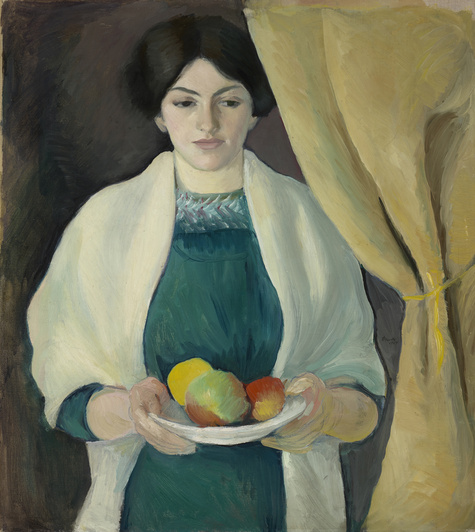
August Macke
Porträt mit Äpfeln, 1909
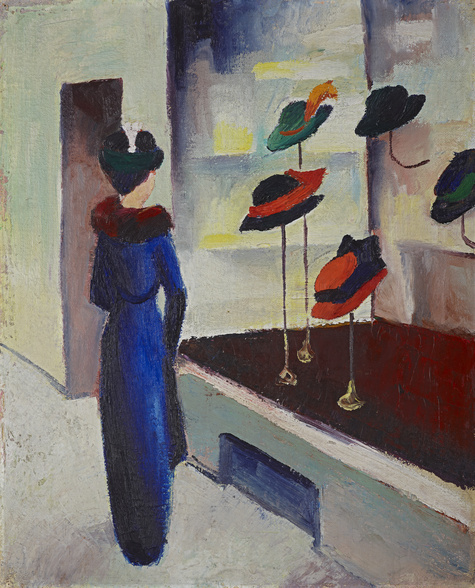
August Macke
Hutladen, 1913
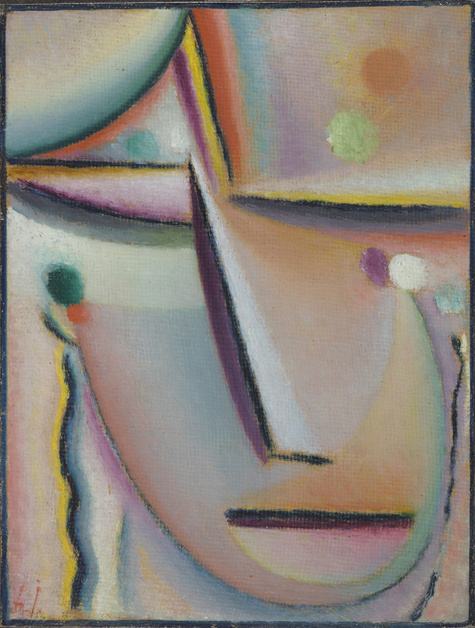
Alexej von Jawlensky
Meditation 'Das Gebet', 1922
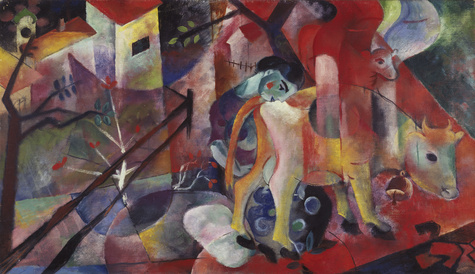
Heinrich Campendonk
Hirtin mit Kühen, um 1920
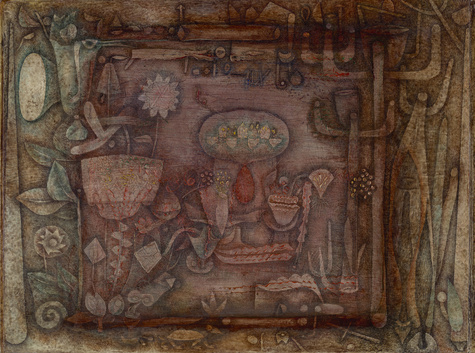
Paul Klee
Botanisches Theater, 1934, 219 (U19)
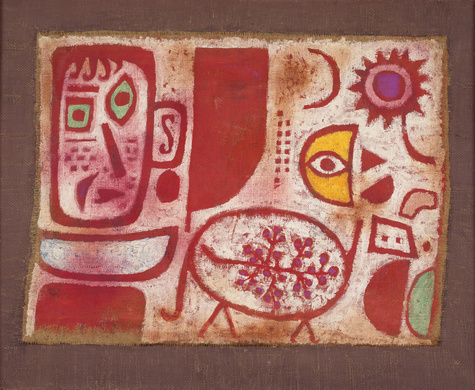
Paul Klee
Rausch, 1939, 341 (Y 1)
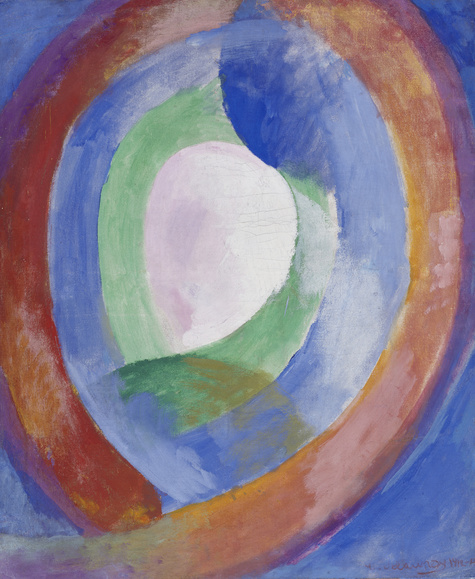
Robert Delaunay
Formes circulaires, lune no. 1, 1913
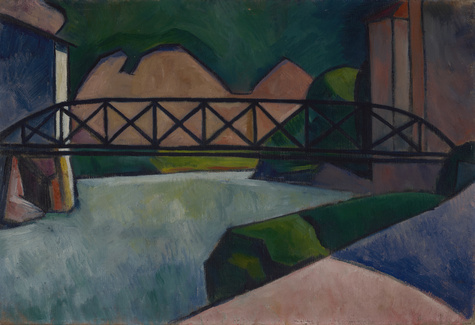
Alexander Kanoldt
Eiserne Brücke, 1911
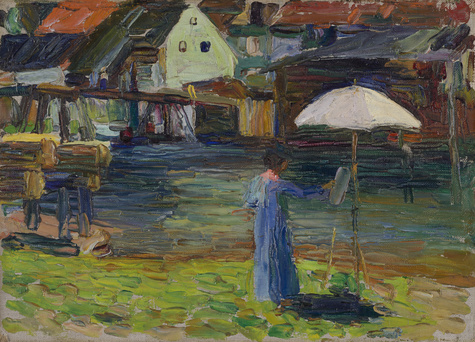
Wassily Kandinsky
Kallmünz – Gabriele Münter beim Malen I, Sommer 1903
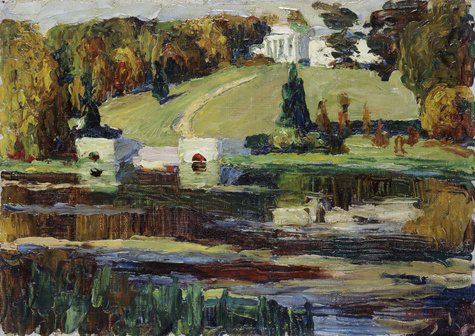
Wassily Kandinsky
Skizze für Achtyrka – Herbst, 1901
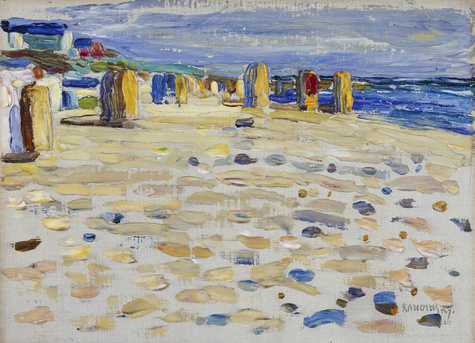
Wassily Kandinsky
Holland – Strandkörbe, Mai/Juni 1904
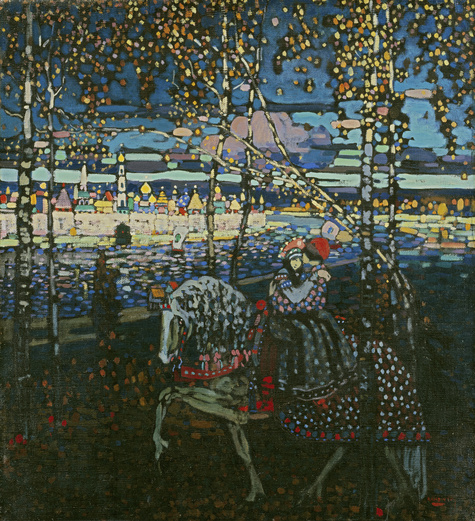
Wassily Kandinsky
Reitendes Paar, 1906 - 1907
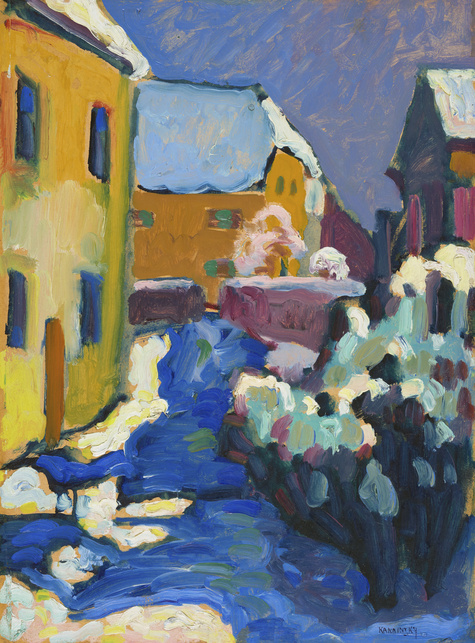
Wassily Kandinsky
Kochel – Friedhof und Pfarrhaus, 1909
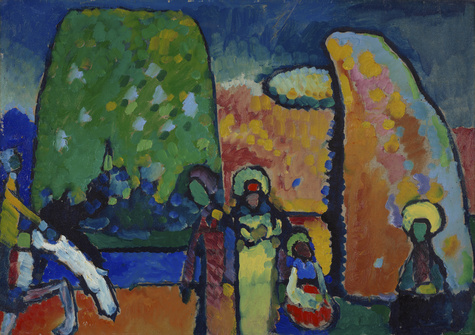
Wassily Kandinsky
Studie zu "Improvisation Nr. 2 (Trauermarsch)", 1909
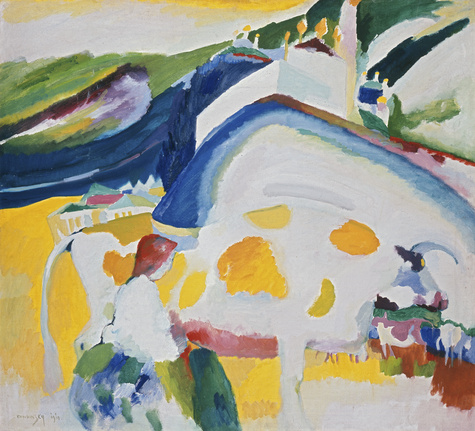
Wassily Kandinsky
Die Kuh, 1910
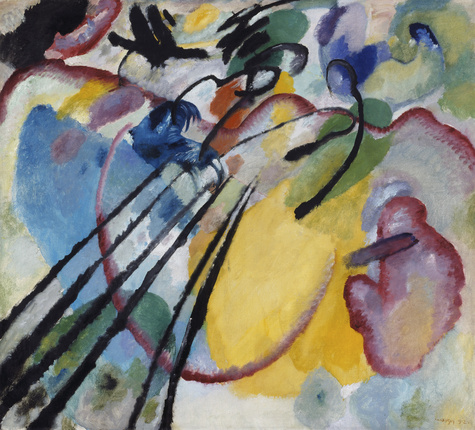
Wassily Kandinsky
Improvisation 26 (Rudern), 1912
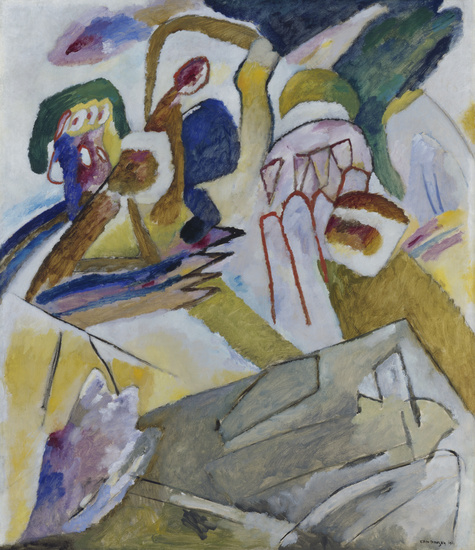
Wassily Kandinsky
Improvisation 18 (mit Grabstein), 1911
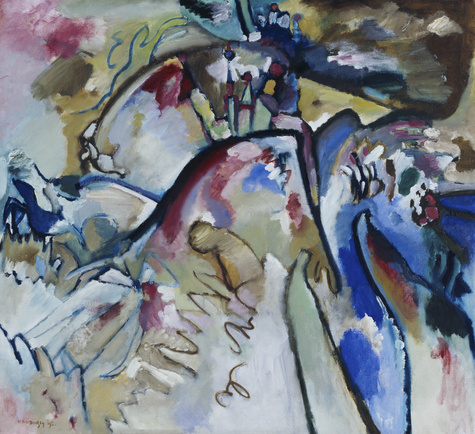
Wassily Kandinsky
Improvisation 21 a, 1911
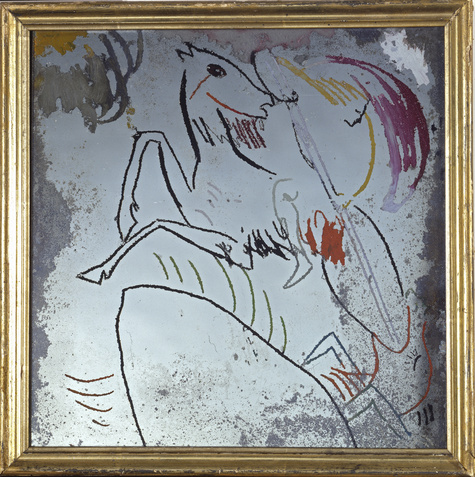
Wassily Kandinsky
St. Georg III, 1911
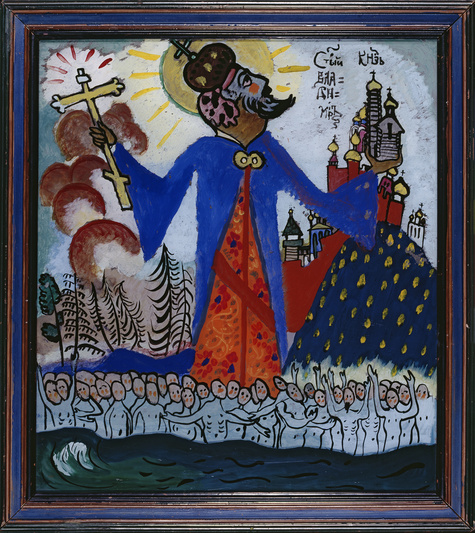
Wassily Kandinsky
Heiliger Wladimir, Juni 1911
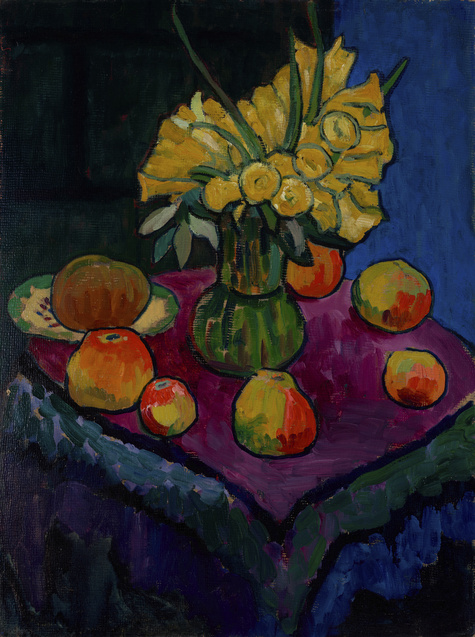
Gabriele Münter
Äpfel und Narzissen, 1909
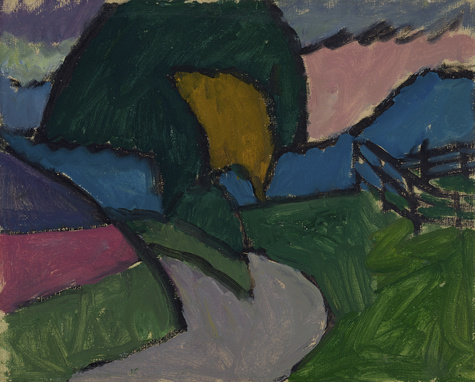
Gabriele Münter
Herbstlich, 1910
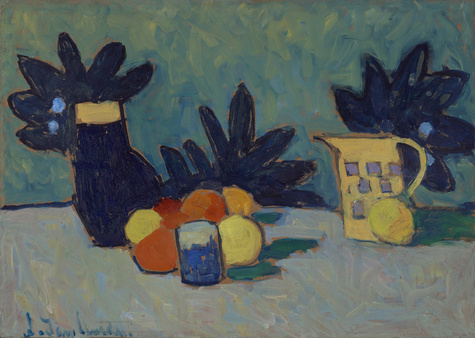
Alexej von Jawlensky
Stillleben mit Früchten, um 1910
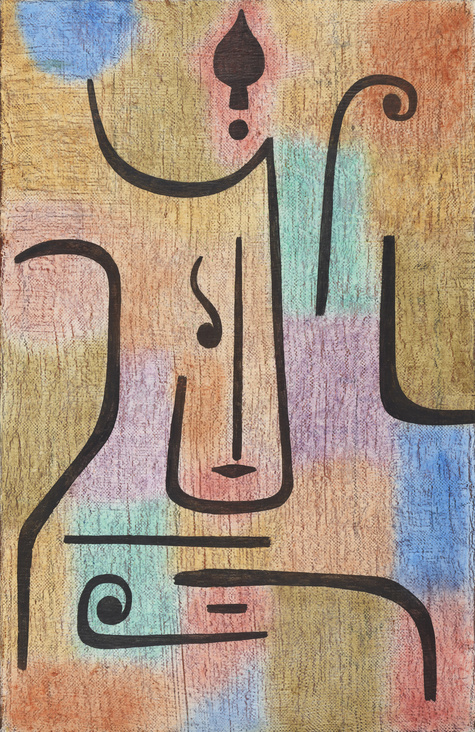
Paul Klee
Erzengel, 1938, 82 (G 2)
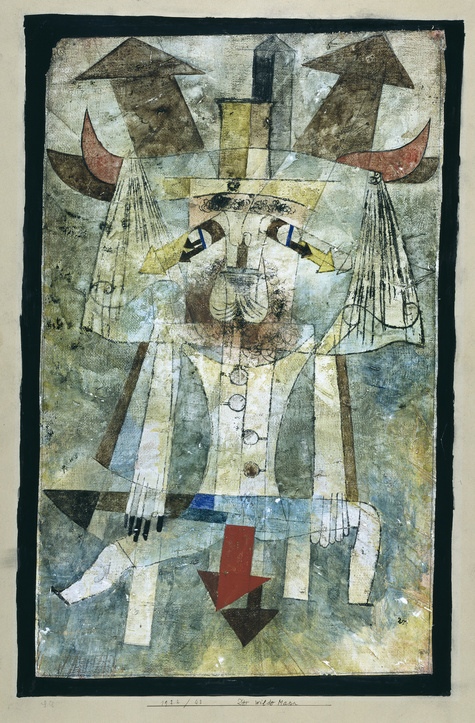
Paul Klee
Der wilde Mann, 1922, 43
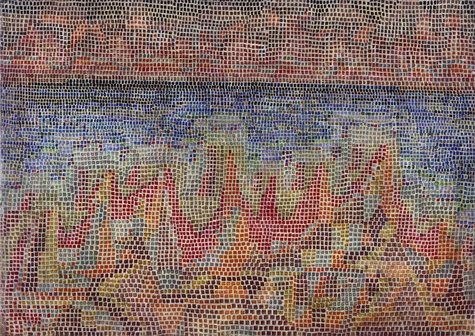
Paul Klee
Klippen am Meer, 1931, 154 (R 14)
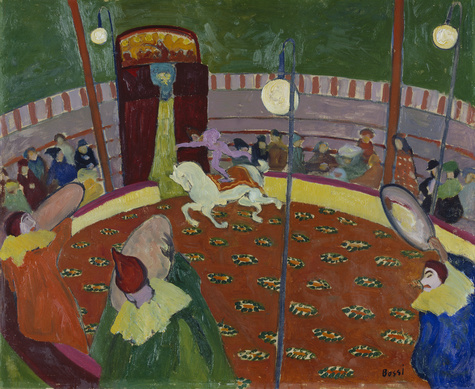
Erma Bossi
Zirkus, 1909
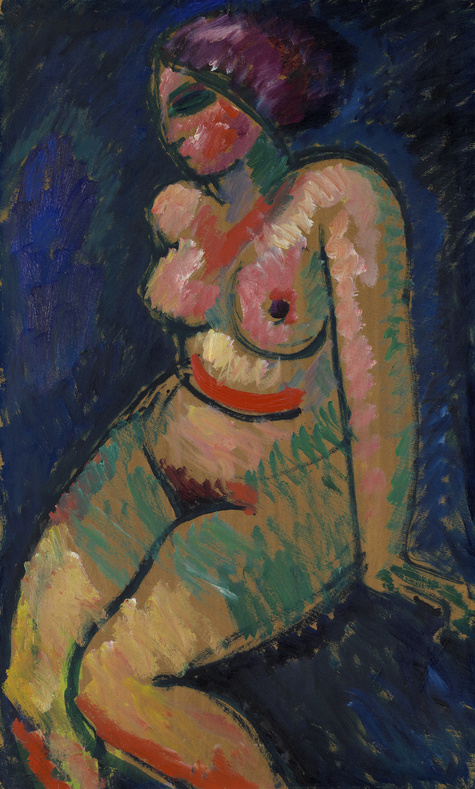
Alexej von Jawlensky
Sitzender weiblicher Akt, um 1910
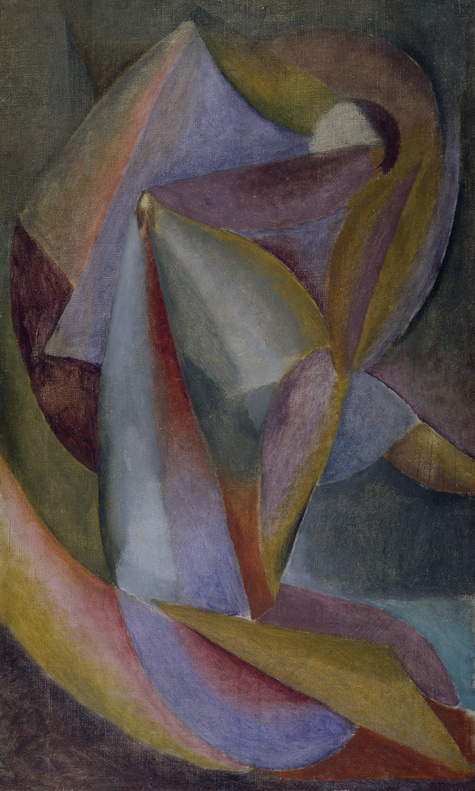
Wladimir Burljuk
Die Tänzerin, um 1910
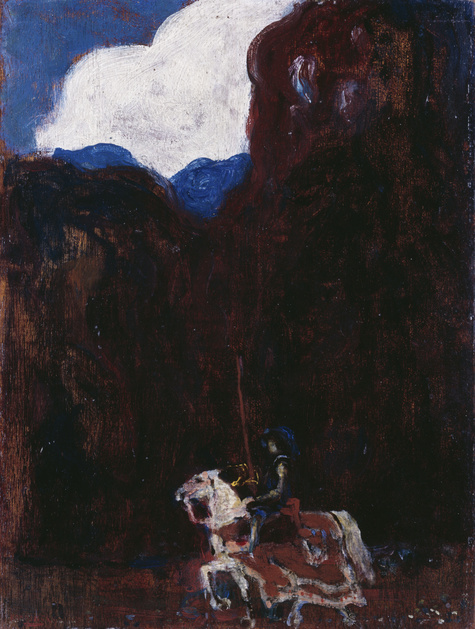
Wassily Kandinsky
Im Walde, 1904
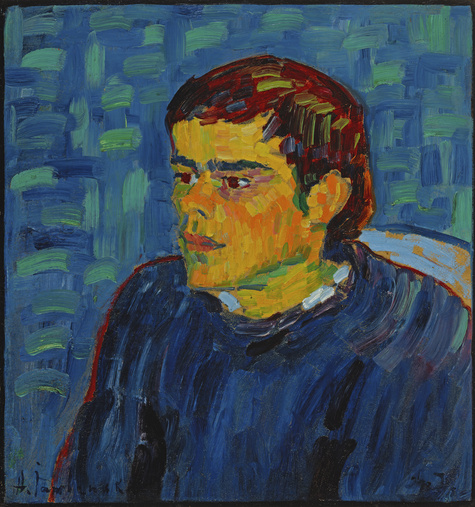
Alexej von Jawlensky
Der Bucklige, 1905
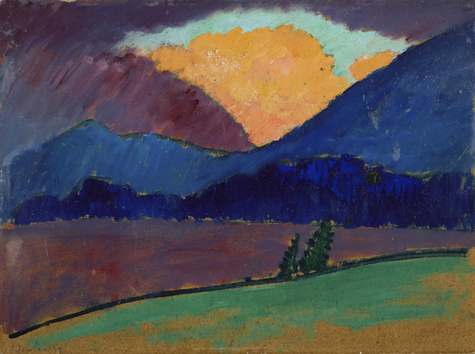
Alexej von Jawlensky
Sommerabend in Murnau, 1908/09
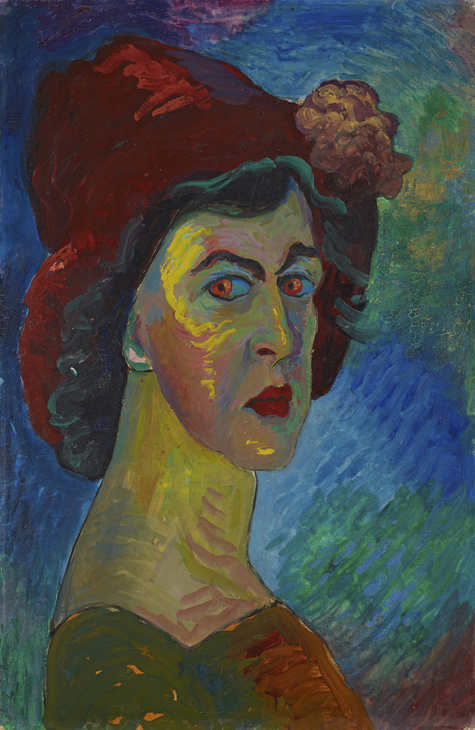
Marianne von Werefkin
Selbstbildnis I, um 1910
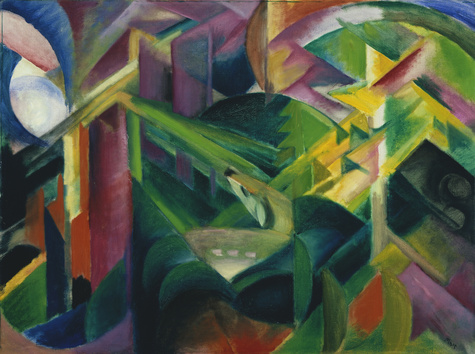
Franz Marc
Reh im Klostergarten, 1912
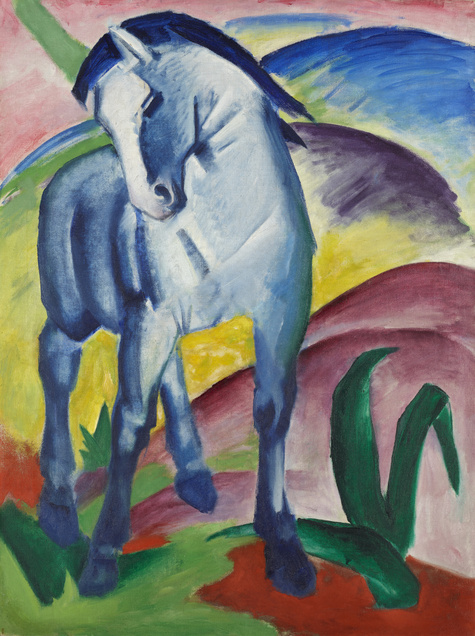
Franz Marc
Blaues Pferd I, 1911
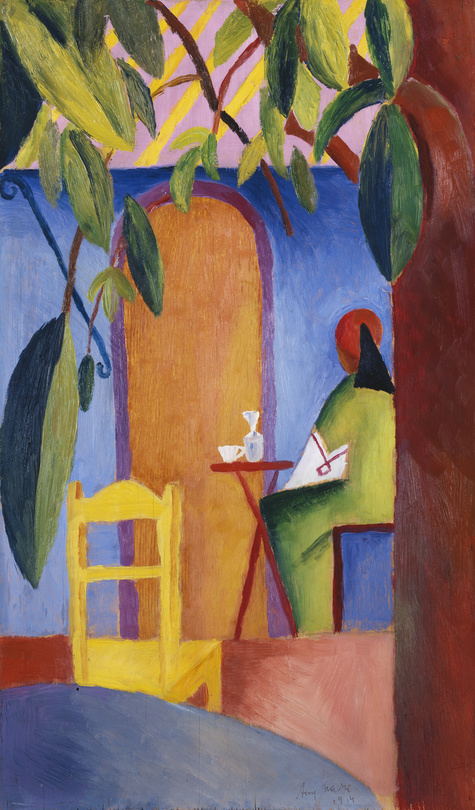
August Macke
Türkisches Café, 1914
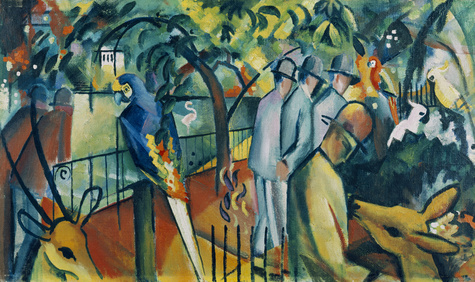
August Macke
Zoologischer Garten I, 1912
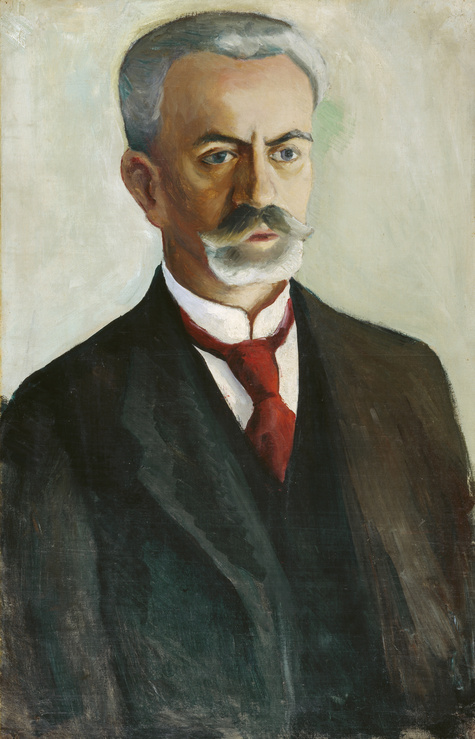
August Macke
Bildnis Bernhard Koehler, 1910
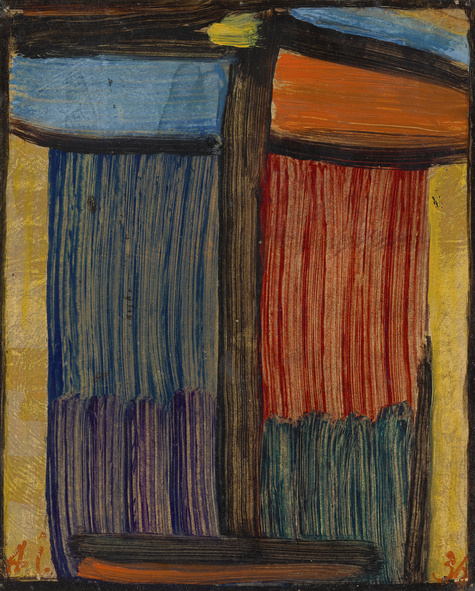
Alexej von Jawlensky
Meditation auf Goldgrund, 1936
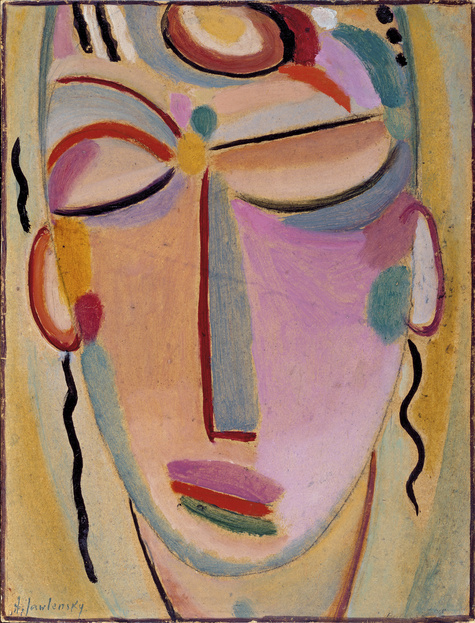
Alexej von Jawlensky
Mystischer Kopf: Meditation, 1918
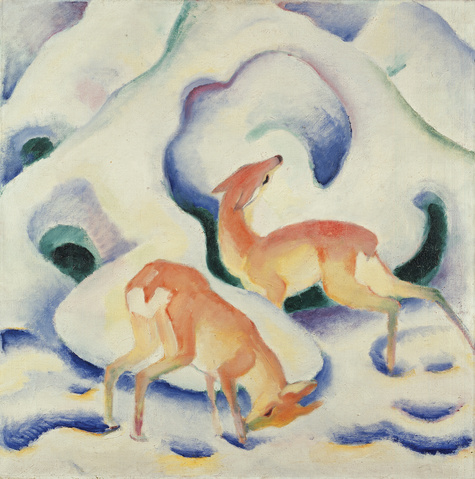
Franz Marc
Rehe im Schnee II, 1911
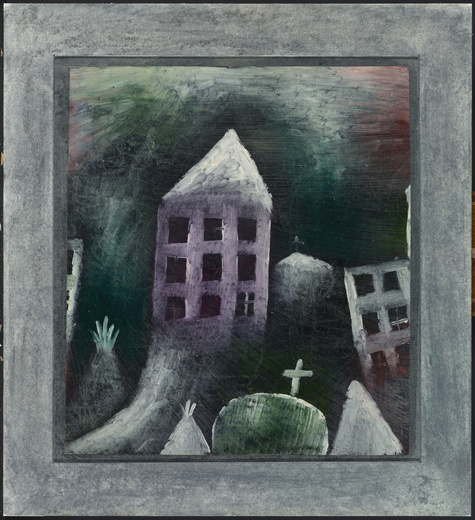
Paul Klee
Zerstörter Ort, 1920, 215
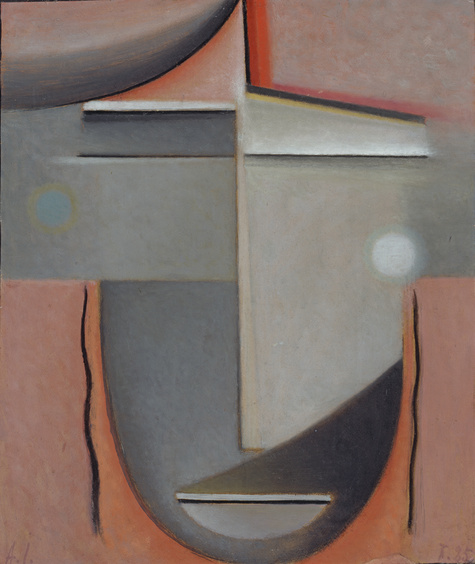
Alexej von Jawlensky
Liebe, 1925
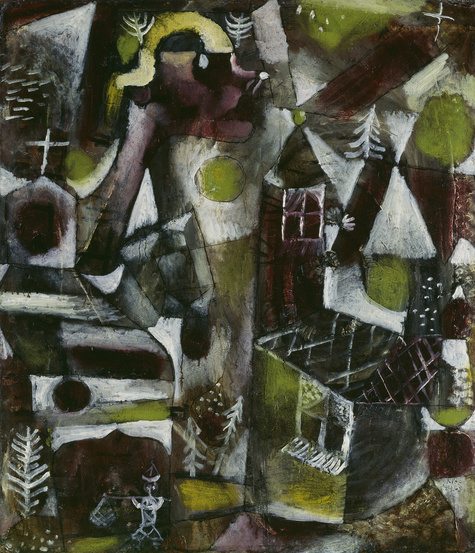
Paul Klee
Sumpflegende, 1919
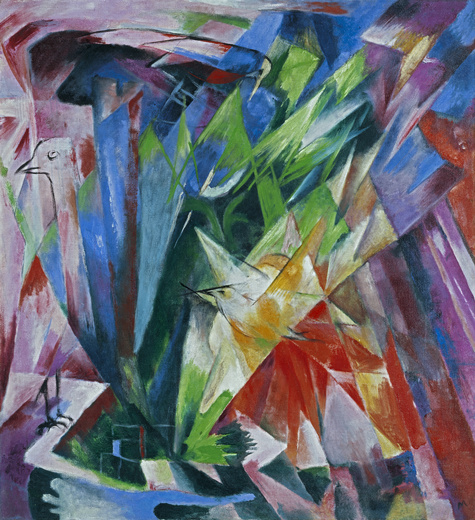
Franz Marc
Vögel, 1914
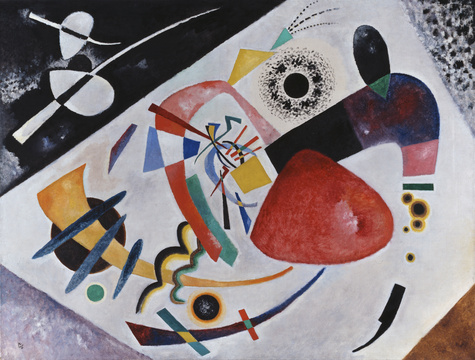
Wassily Kandinsky
Roter Fleck II, 1921
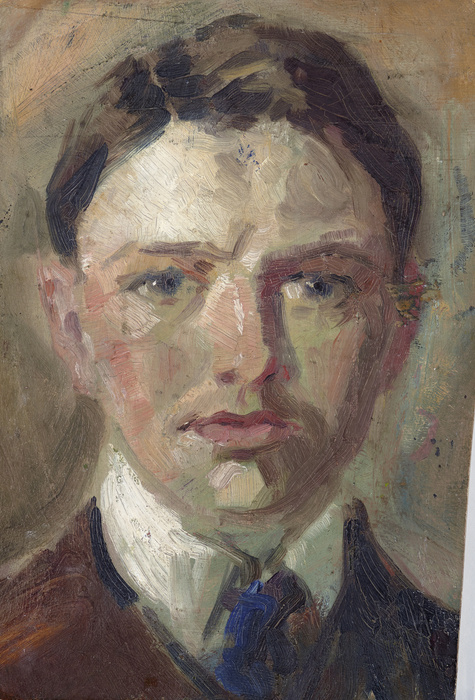
August Macke
Studie zu einem Selbstporträt, 1907
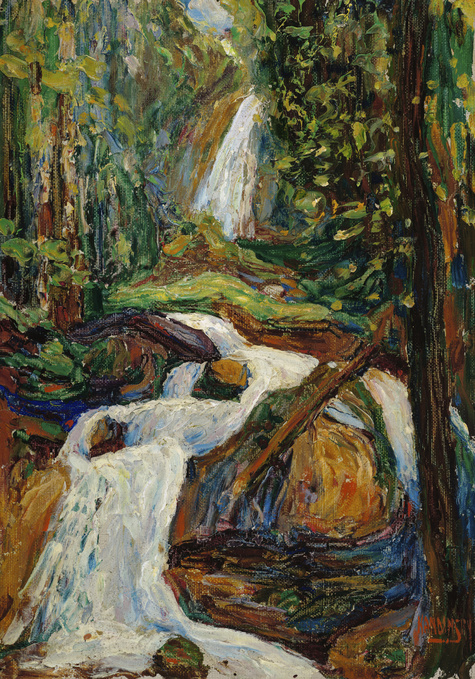
Wassily Kandinsky
Kochel – Wasserfall I, um 1900
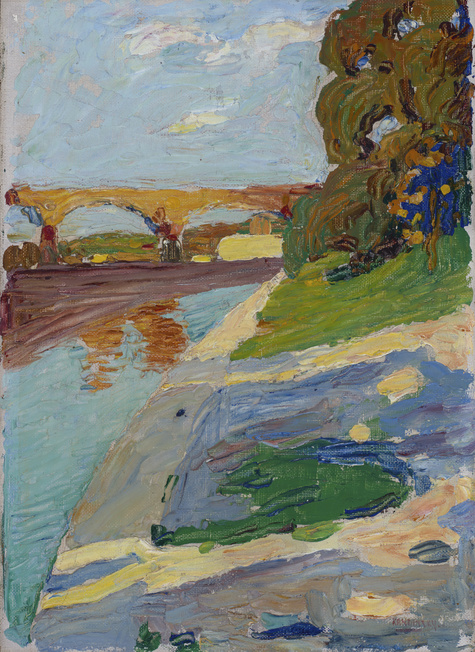
Wassily Kandinsky
München – Die Isar, 1901
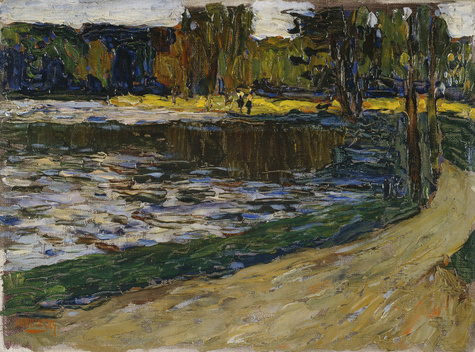
Wassily Kandinsky
München – Englischer Garten, Anfang September 1901
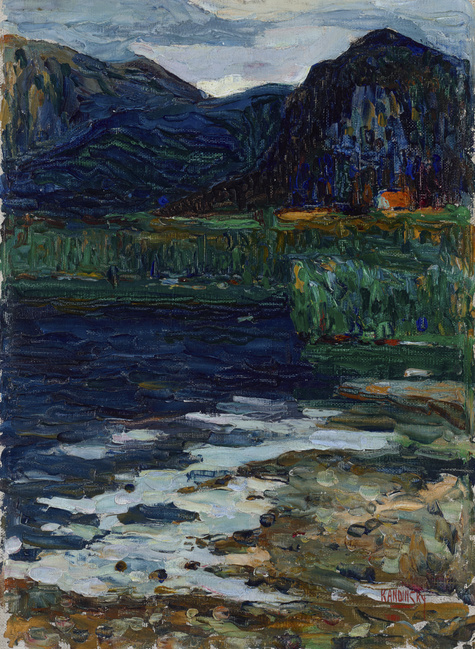
Wassily Kandinsky
Kochel – Schlehdorf, Sommer 1902
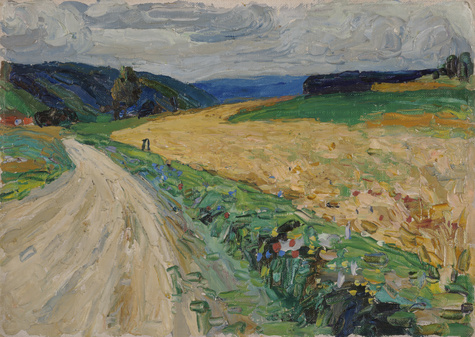
Wassily Kandinsky
Kallmünz – Naturstudie zur gelben Postkutsche, Sommer 1903
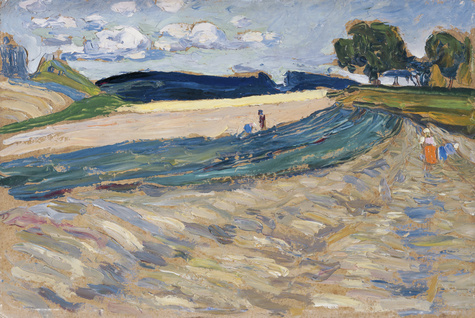
Wassily Kandinsky
Landschaft mit gelbem Feld, 1905
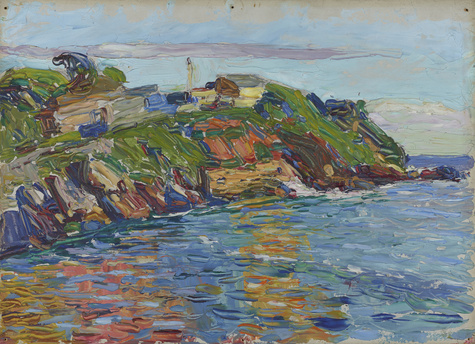
Wassily Kandinsky
Rapallo – Bucht, Anfang 1906
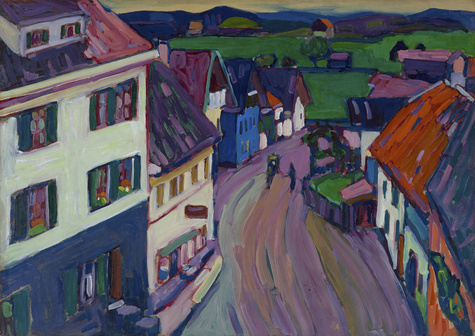
Wassily Kandinsky
Murnau – Blick aus dem Fenster des Griesbräu, 1908
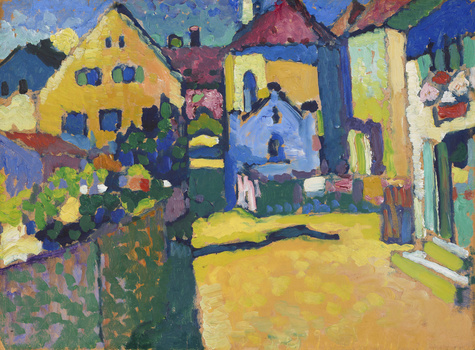
Wassily Kandinsky
Murnau – Grüngasse, 1909
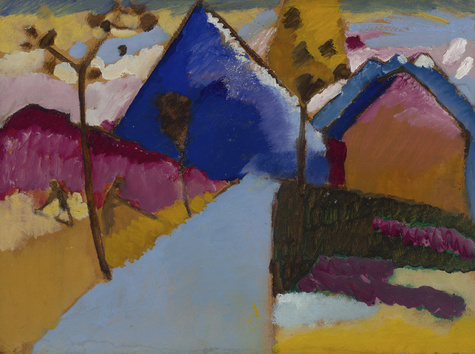
Wassily Kandinsky
Kochel – Gerade Straße, 1909
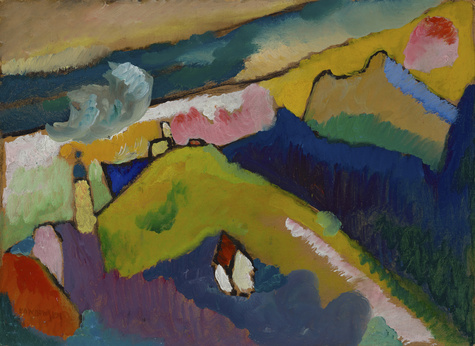
Wassily Kandinsky
Murnau – Berglandschaft mit Kirche, Sommer 1910
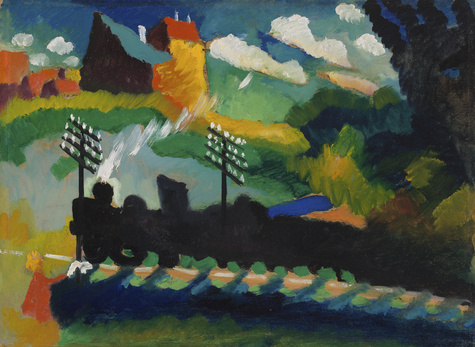
Wassily Kandinsky
Eisenbahn bei Murnau, 1909
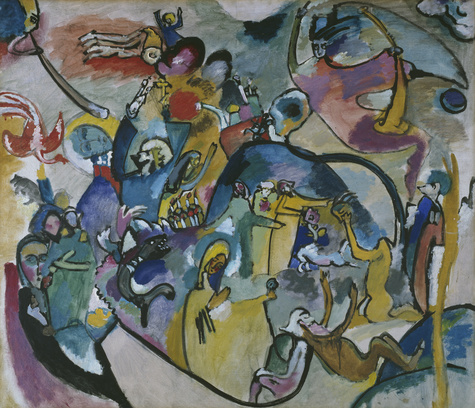
Wassily Kandinsky
Allerheiligen II, 1911
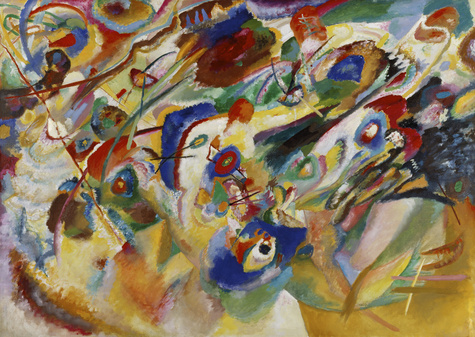
Wassily Kandinsky
Entwurf 2 zu Komposition VII, 1913
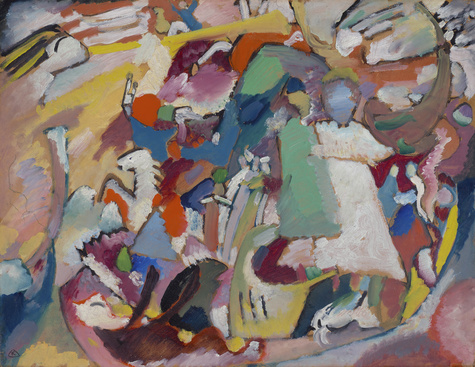
Wassily Kandinsky
Allerheiligen I, Juli/August 1911
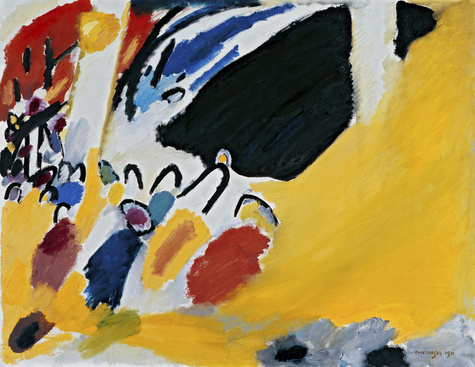
Wassily Kandinsky
Impression III (Konzert), 1911
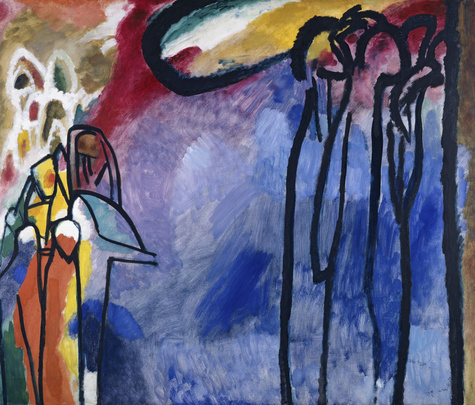
Wassily Kandinsky
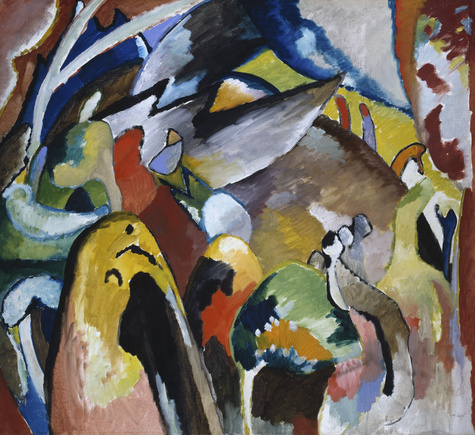
Improvisation 19, 1911
Wassily Kandinsky
Improvisation 19 a, 1911
Wassily Kandinsky
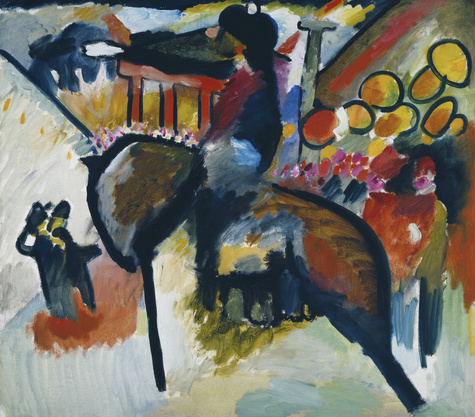
Impression IV (Gendarme), 1911
Wassily Kandinsky
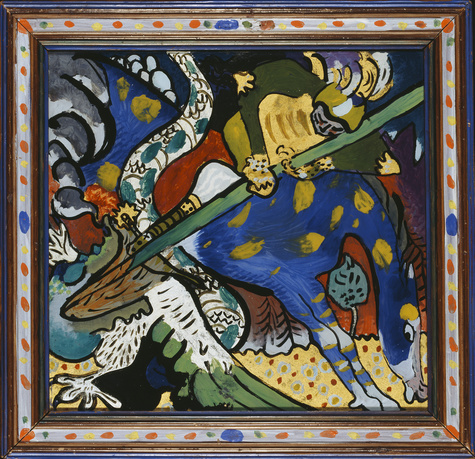
Heiliger Georg I, 1911
Wassily Kandinsky
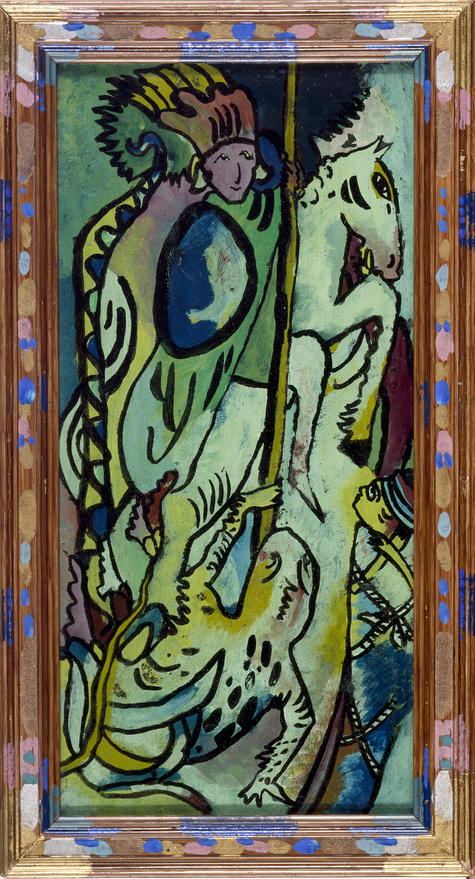
St. Georg II, vermutlich Sommer 1911
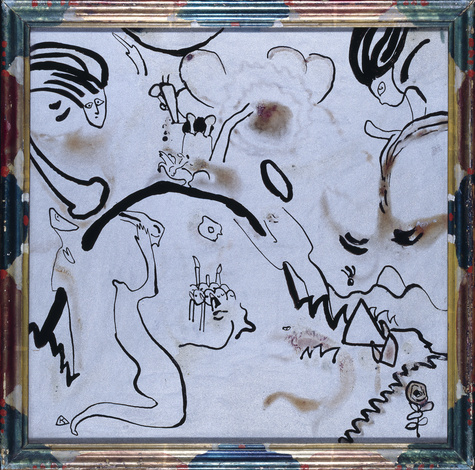
Wassily Kandinsky
Große Auferstehung, Frühsommer 1911
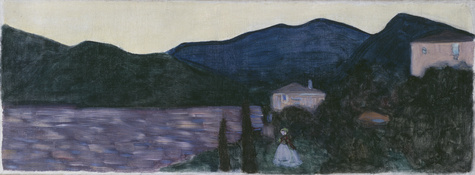
Wassily Kandinsky
Bergige Landschaft mit See, um 1902
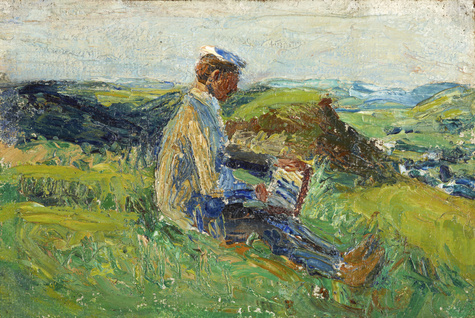
Gabriele Münter
Kandinsky beim Landschaftsmalen, 1903
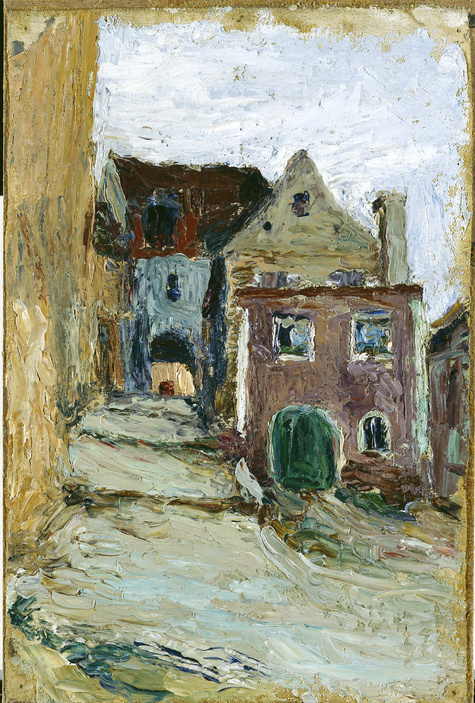
Gabriele Münter
Kallmünz, 1903
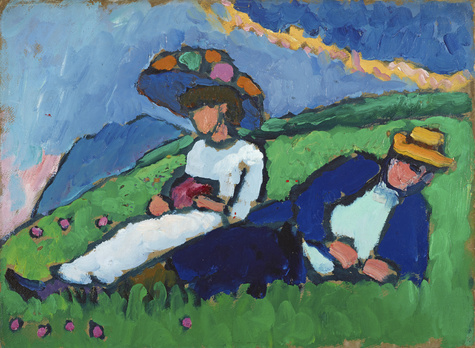
Gabriele Münter
Jawlensky und Werefkin, 1908/09
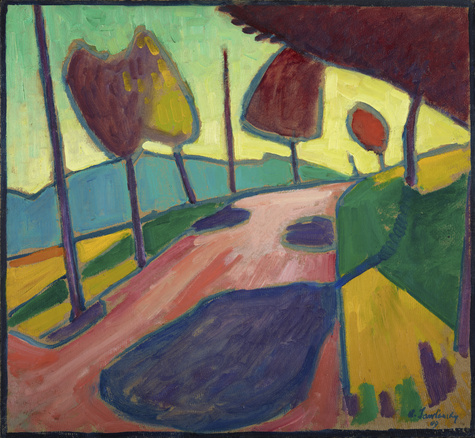
Alexej von Jawlensky
Murnauer Landschaft, 1909
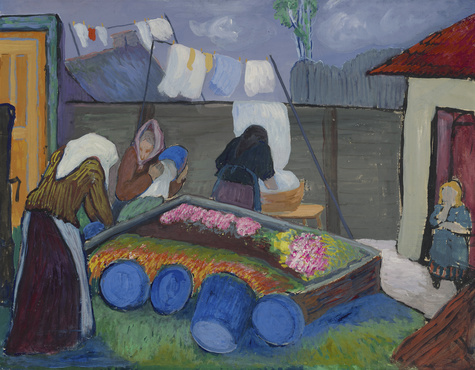
Marianne von Werefkin
Wäscherinnen, um 1909
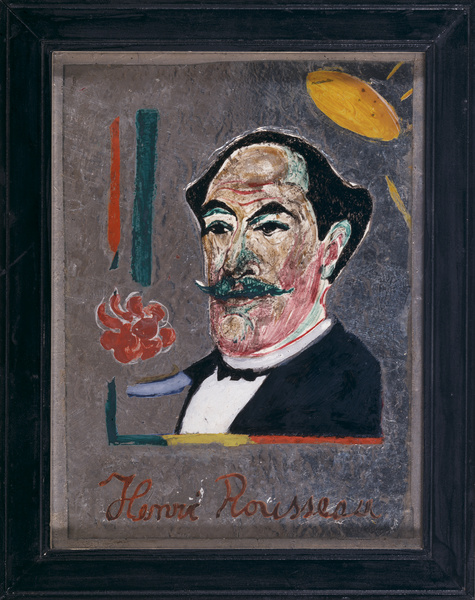
Franz Marc
Bildnis Henri Rousseau, 1911
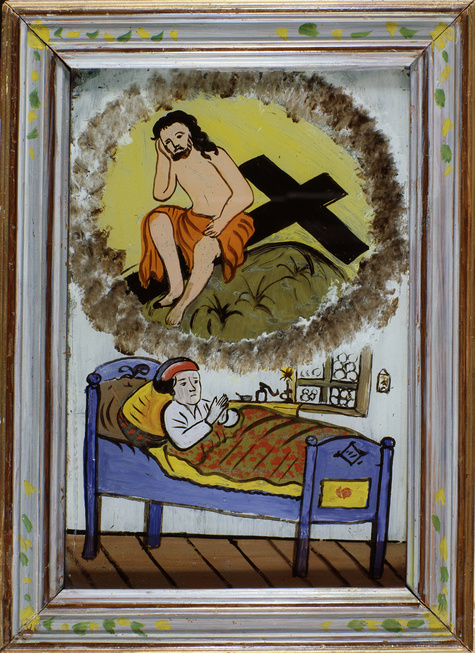
Gabriele Münter
Votivbild, um 1908/09
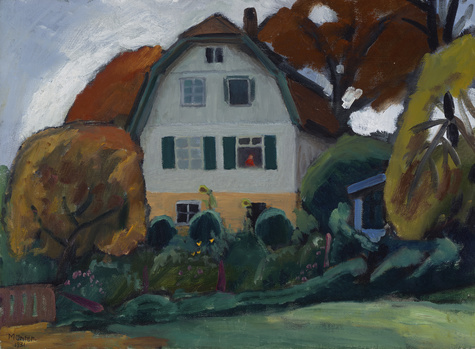
Gabriele Münter
Münter-Haus in Murnau, 1931
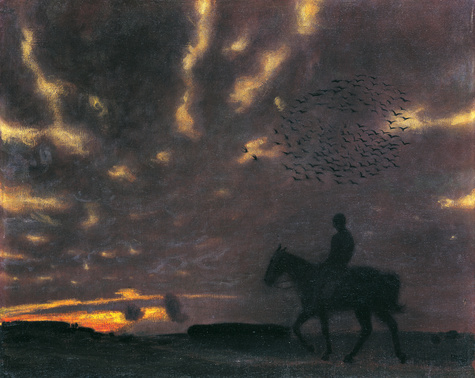
Franz von Stuck
Herbstabend mit Reiter, 1893
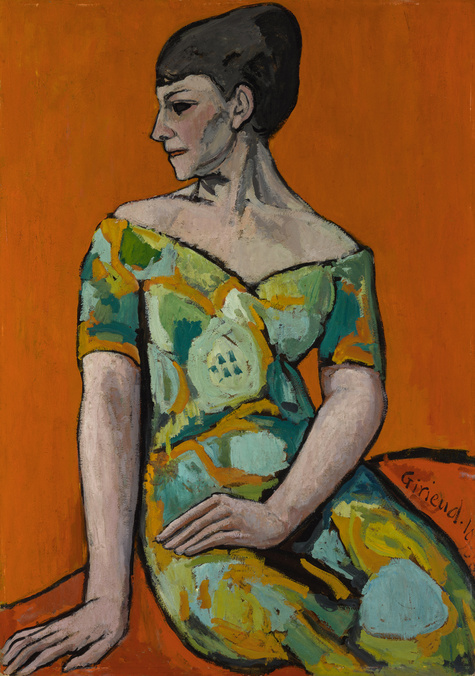
Pierre Girieud
Bildnis der Malerin Emilie Charmy, 1908
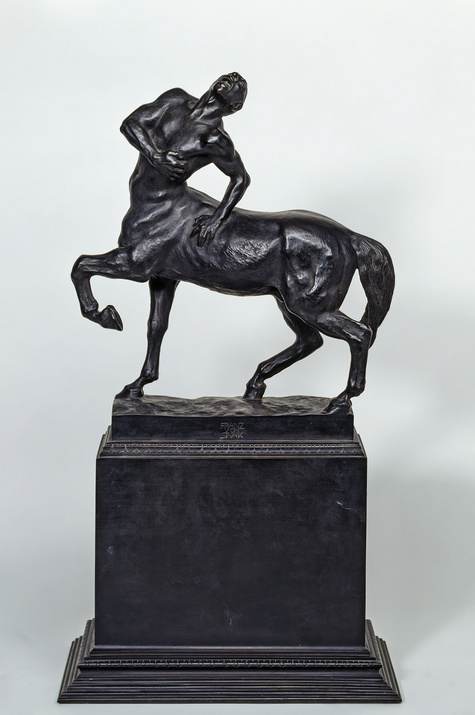
Franz von Stuck
Verwundeter Kentaur

