Maria Jarema
Opening
Mon, October 26, 2026, 7pm–10pm
Revolutionary Commissar of Abstraction
more information

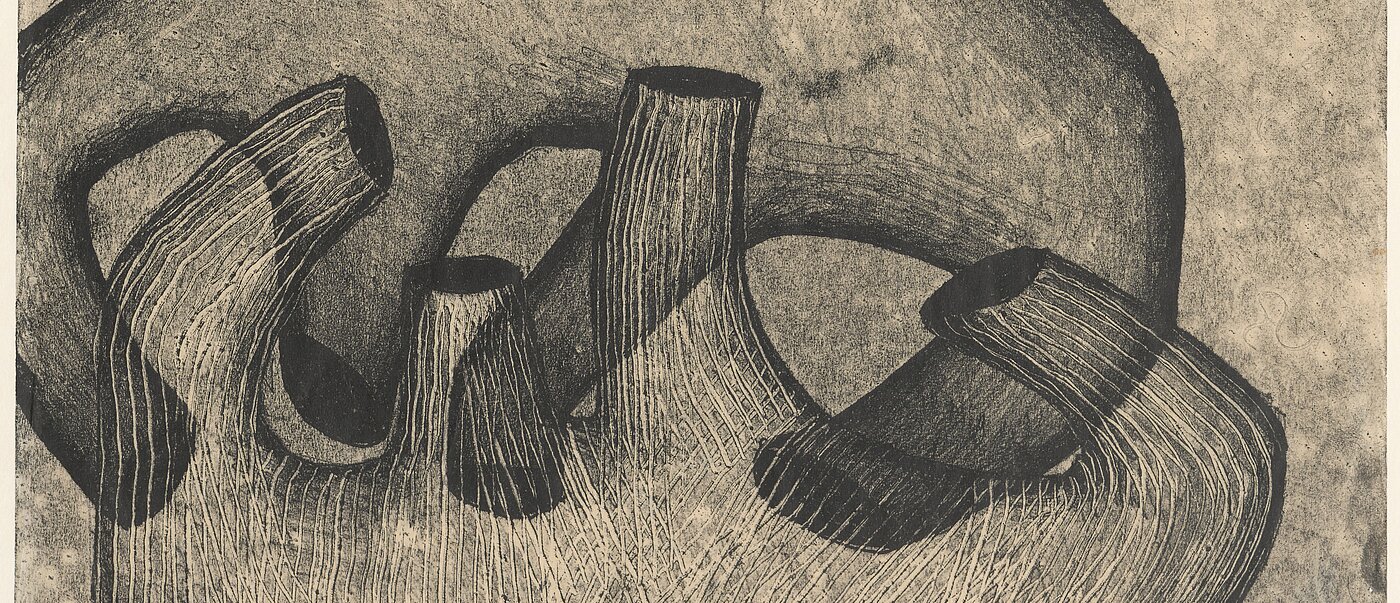
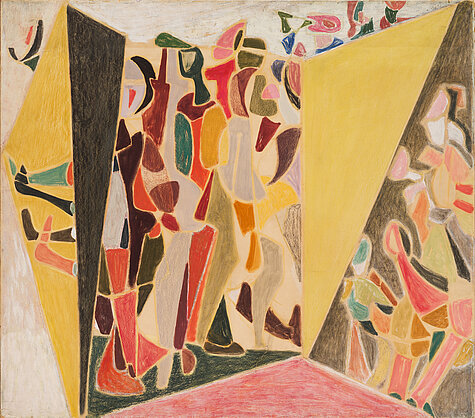
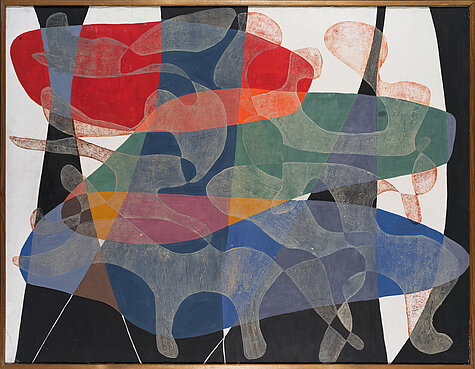
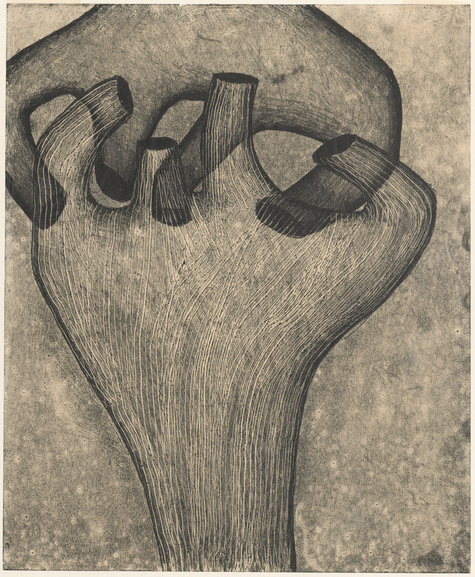
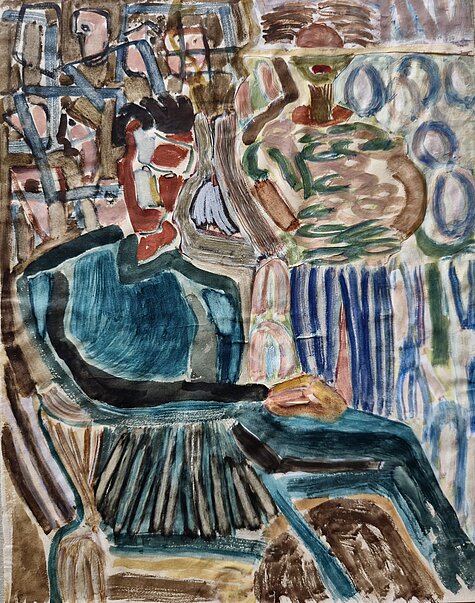
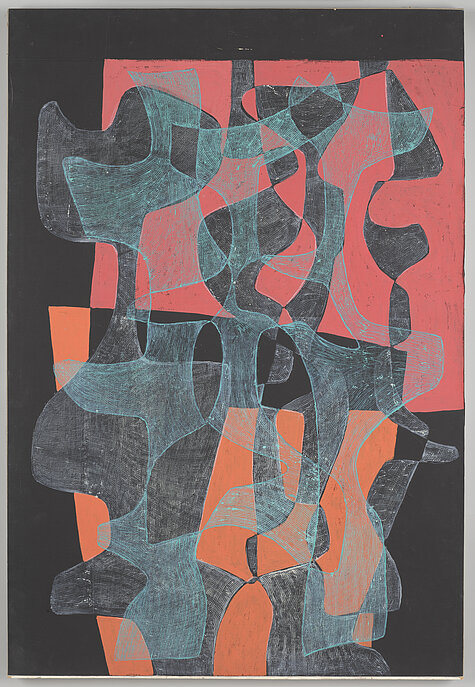
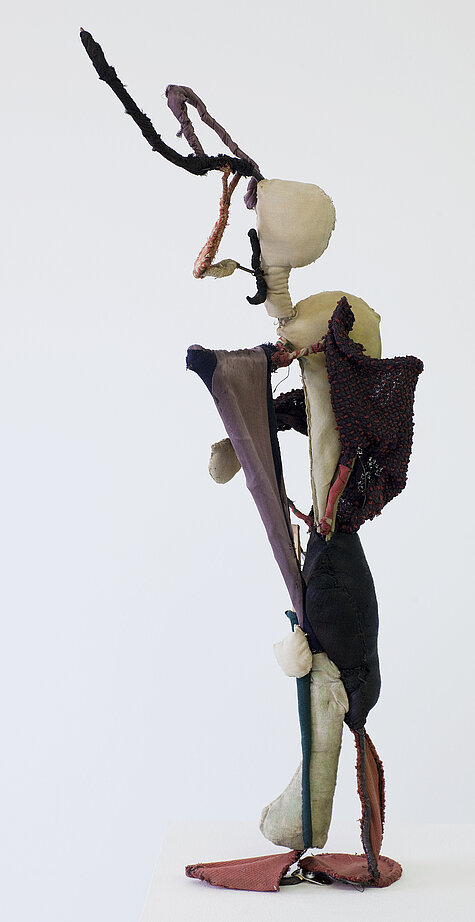
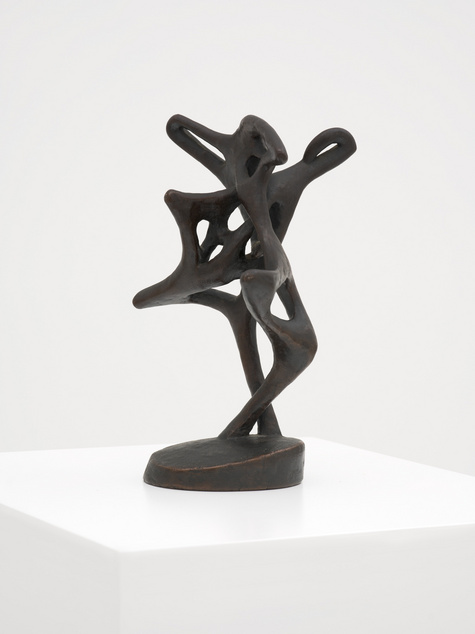
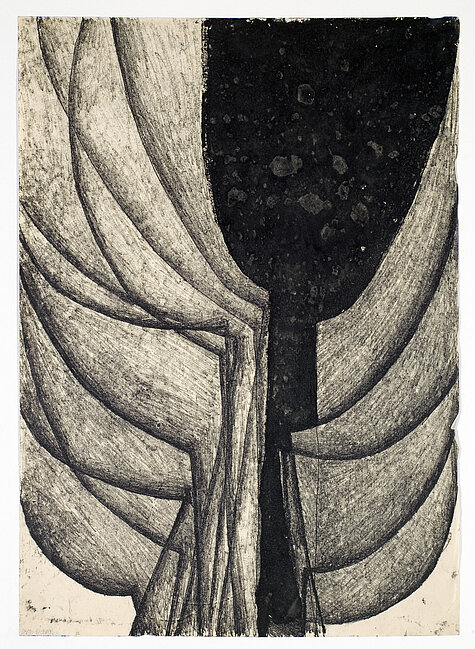
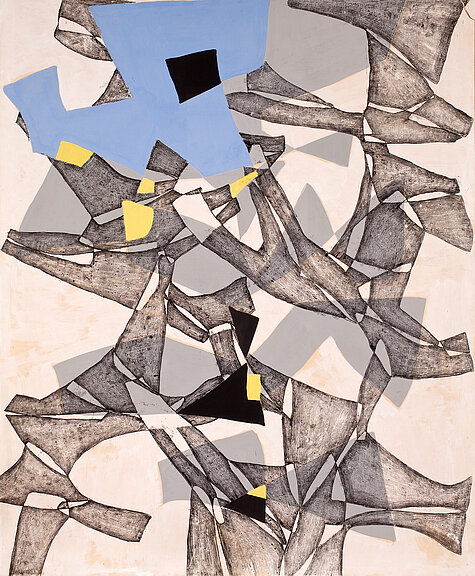
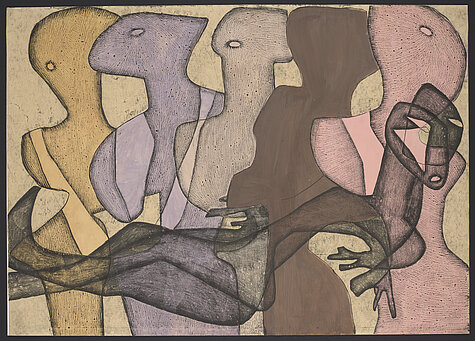
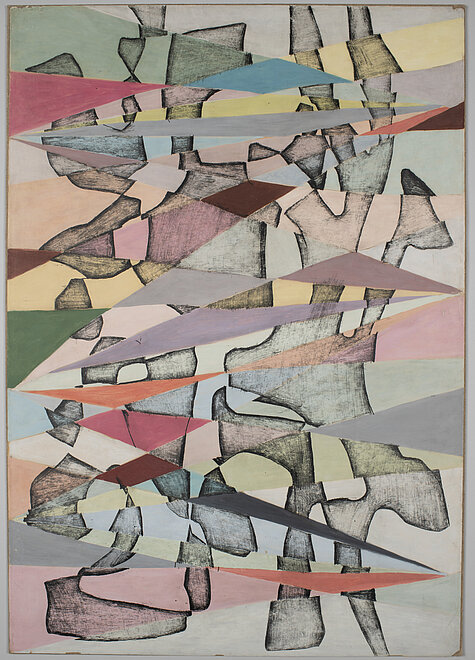
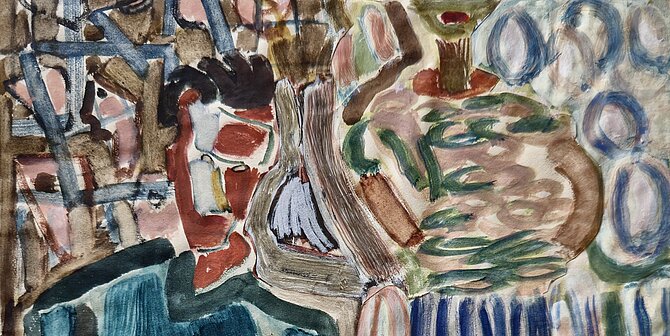
Maria Jarema (1908–1958) had many talents: A sculptor and painter, she worked with print techniques, designed costumes and stage sets for dance and theater, and was a practicing actress. She published on art, demanded women’s rights to creative and reproductive self-determination, and authored manifestos against class society.
Kraków was the center of her life. There, in the early 1930s, she formed the with the Kraków Group (Grupa Krakowska) with fellow students, in protest against the nationalist tendencies at the local art academy. The group, which was closely associated with the prohibited Communist Party of Poland (KPP), became an important context for the artistic generation of the interwar and immediate postwar periods. It was also in Kraków where Jarema stayed during World War II and the occupation through Nazi Germany from 1939 to 1945, a period that was life-threatening for Jarema and her communist, yet anti-Stalinist artistic circle.
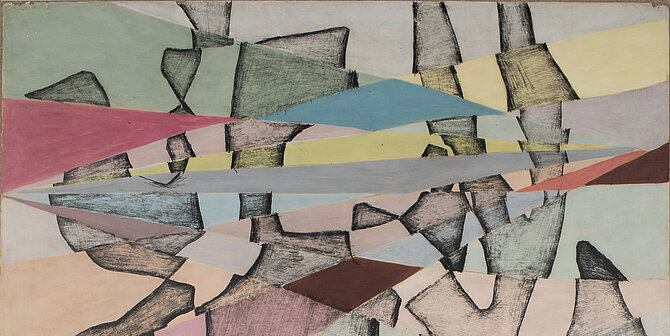
Jarema's work is characterized by a distinctive formal language that demonstrates her close familiarity with the history of art as well as with the most current artistic developments of her time. She was familiar with the art of her contemporaries in Warsaw, Paris, and Moscow; the Blue Rider circle was not unknown to her. During visits to Paris in 1937 and 1947, she encountered Surrealism, a movement whose convictions she shared: For Jarema, art was not a tool for politics, but a revolutionary practice capable of transforming thought and changing society for the better.
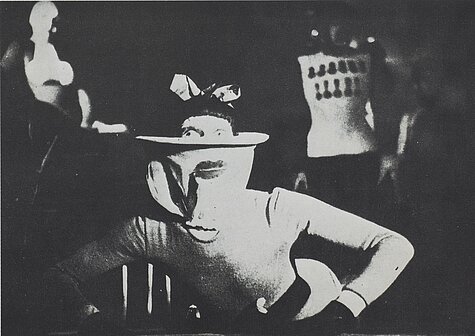
Her life was closely involved with the theater: Together with her brother, the artist Józef Jarema, she was active in the experimental theater group Cricot who performed their plays in union buildings and improvised art spaces around Krakow. In the 1950s, she co-founded the successor group Cricot 2 with artists Kazimierz Mikulski and theater director Tadeusz Kantor (whose humorous portrait of Jarema lends the title to our exhibition.)
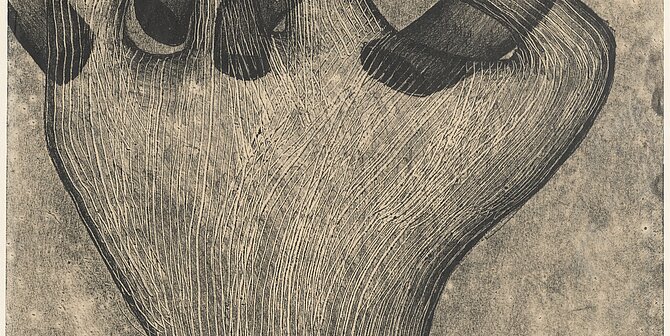
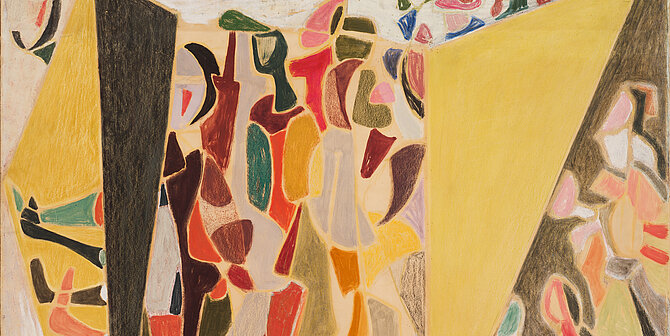
Jarema's interest in speech, rhythm, movement, and bodily expression stemmed from her long-standing experience in theater. She sought to transpose these forms with those of sculpture and painting and vice versa. Her titles "Rhythm", "Penetration", and "Filter" referred to three series of works on paper yet capture methods that she broadly applied. Within the discipline of painting, Jarema composed encounters between forms which she once described as "anecdotes", a characterization whose connotation of triviality sits at odds with her description of the picture plane as "a site of confrontation with consequences for the outside world".
In her chosen home of Kraków, Jarema remains ever-present: two of her public monuments were realized there; a street bears her name; one of her abstract paintings, magnified a hundredfold, adorns the facade of an apartment building; artists of younger generations have paid her public tribute.
With this monographic exhibition at the Lenbachhaus, the work of one of the most important artists of Polish modernism is being honored in Germany for the first time. Examples from all periods of her work on view, including numerous paintings, monotypes, sculptures, and costumes.
In cooperation with Muzeum Sztuki Nowoczesnej w Warszawie (Museum of Modern Art Warsaw). Original curatorial concept "Maria Jarema: Cracked Modernism" by Éric de Chassey and Natalia Sielewicz. Curated for Lenbachhaus by Stephanie Weber.
The exhibition is supported by the Adam Mickiewicz Institute.
Co-financed by the Ministry of Culture and National Heritage of the Republic of Poland.
With generous support of Förderverein Lenbachhaus e.V.
Exhibition Architecture: CENTRALA – Małgorzata Kuciewicz & Simone De Iacobis
Production Exhibition Architecture: Artmontage, Warsaw
Graphic Design: OffOffice, Munich



Opening
Mon, October 26, 2026, 7pm–10pm
Revolutionary Commissar of Abstraction
more information
Open House with Drinks & Music
Thu, November 5, 2026, 6pm–10pm
more information
Public Guided Tour in English
Sat, November 14, 2026, 1.15pm–2.15pm
more information