
A Long-Distance Call: Scenes from the Weimar Republic
–
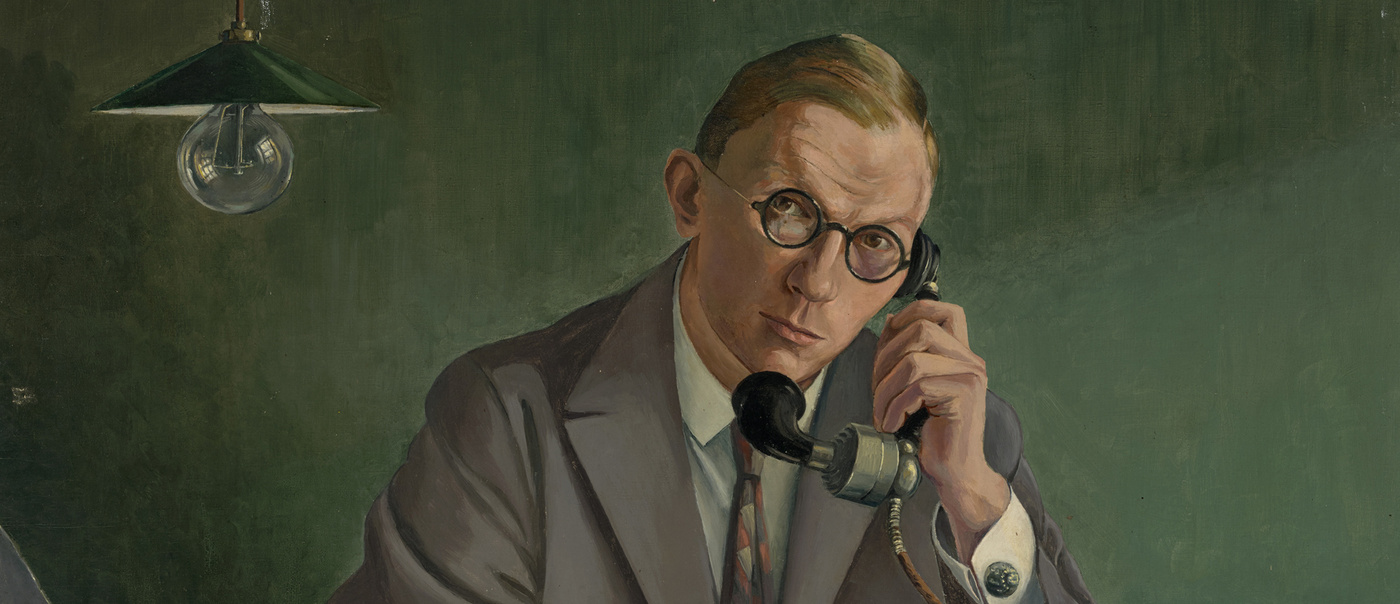
The artist Käte Hoch paints her friend Erich Müller-Kamp talking on the phone at his desk. When making a long-distance call, Kurt Tucholsky advises, it is important to speak clearly and avoid any patois so that the wiretappers can keep up with the conversation. For a self-portrait, Hoch wears the colors of the suffragettes and a bob cut. Young white-collar workers, too, cut their hair short. They type fast, chain-smoke, and spend their evenings at the movies or in a dance hall. They love the Charleston and the shimmy and listen to sentimental ballads, swing, and jazz.
Irmgard Keun’s "Artificial Silk Girl" dreams of slender silhouettes and shoes with lizard toe boxes. Ré Soupault devises a transformer dress that can be changed right at the office into a completely different look for the evening. Gender roles become permeable at the cabaret, monocles send signals.
The economy is thriving, often on credit; parts of the population sink into poverty, and not only during the hyperinflation period and the Great Depression. Disabled veterans, working women, jobseekers, and street vendors hawking bouquets of violets are everyday sights, giving the lie to the Roaring Twenties. Oskar Maria Graf joins a committee handing out antifascist leaflets, feminists meet in Schwabing, as does the Munich Antiwar Committee, and a local chapter of the revolutionary artists’ association ASSO is cobbling together a magazine. George Grosz depicts the rise of the Nazis and caricatures the Hitler salute.
The new theater of Helene Weigel and Bertolt Brecht longs for the power of boxing and attempts dialogues that pack a punch. The first radio programs in Germany, produced under government oversight, are broadcast in 1923—Max Radler paints a factory worker listening intently. In 1930, Tim Gidal takes a photograph at the Deutsches Museum of one of the first television broadcasts.
The exhibition focuses on specific stories and tangible details rather than formulating grand theories about the Weimar period. Its objective is to make contact with the buried potentials of the Weimar Republic—a long-distance call.
With works by Käte Hoch, Heinrich Hoerle, Karl Hubbuch, Lotte Jacobi, Grethe Jürgens, Jeanne Mammen, Gabriele Münter, Christian Schad, August Sander, Rudolf Schlichter, and more.
In cooperation with the Münchner Stadtmuseum and with generous support from a private collection
Curated by Karin Althaus, Adrian Djukić and Matthias Mühling
Cooperation partners


Statements
"Unter dem Titel "Ein Ferngespräch" geht es um Umbrüche, Reformen im Theater, geschlechterübergreifende Mode wie den Bubikopf und natürlich auch technische Neuerungen wie eben das Telefon. Das lässt ungeahnte Verbindungen zu, und wenn man sich an Kurt Tucholskys Rat, "möglichst deutlich und dialektfrei" zu sprechen, hält, können selbst die Überwachungsbeamten dem Dialog folgen…"
"In der Ausstellung […] steht der Titel "Ein Ferngespräch" im übertragenen Sinn für einen Dialog mit der Zeit vor 100 Jahren. Und der entsteht über Gemälde, Fotografien, Zeichnungen, die von Texten damaliger Autor*innen begleitet werden. […] Damals wie heute war es eine Zeit im Umbruch: voller technischer Neuerungen, absurder Moden, sozialer Kämpfe und damals wie heute wusste niemand, wo das hinführt."
"In der Zeit der Weimarer Republik war plötzlich so vieles möglich – das vermittelt eine umwerfende Schau im Lenbachhaus, in der auch die Schattenseiten ihren Platz haben."
Works
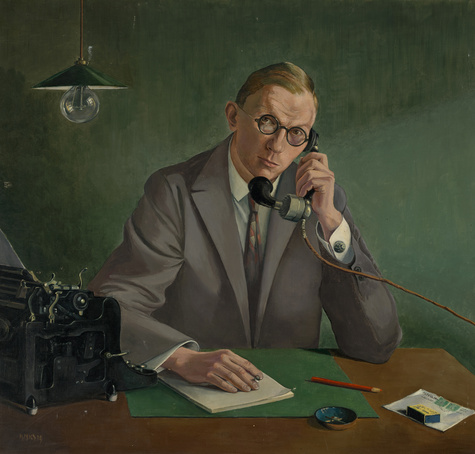
Käte Hoch
Bildnis Dr. E. Müller-Kamp, 1929
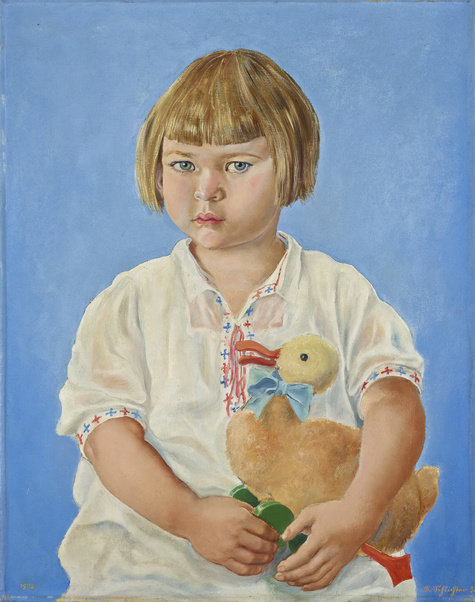
Rudolf Schlichter
Bildnis eines zweijährigen Mädchens, 1932
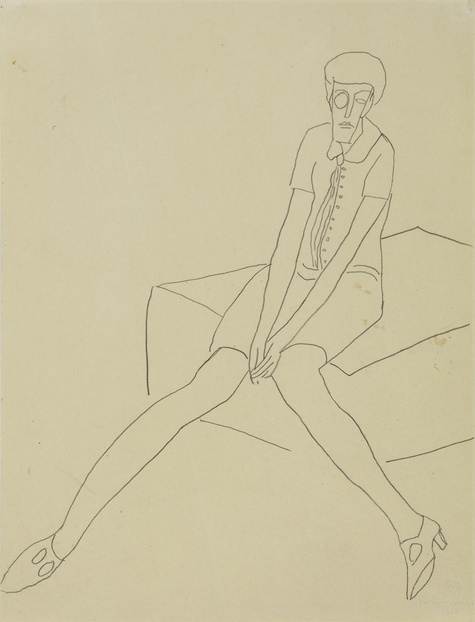
Gabriele Münter
Die Unvergleichliche (Die Dichterin Sylvia von Harden), 1928

Willy Jaeckel
Dame mit Zigarette, 1925
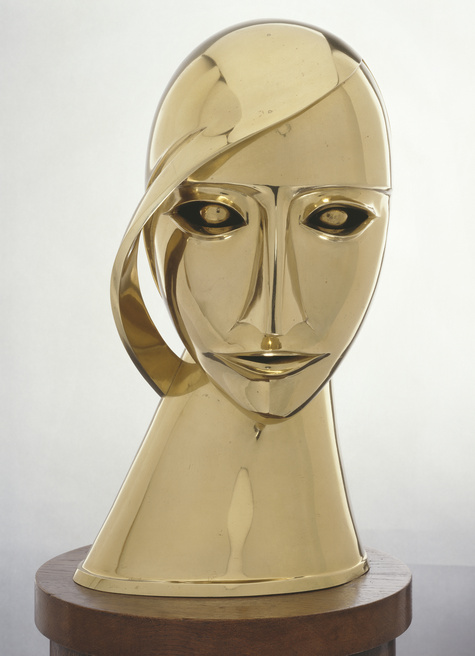
Rudolf Belling
Kopf in Messing, 1925
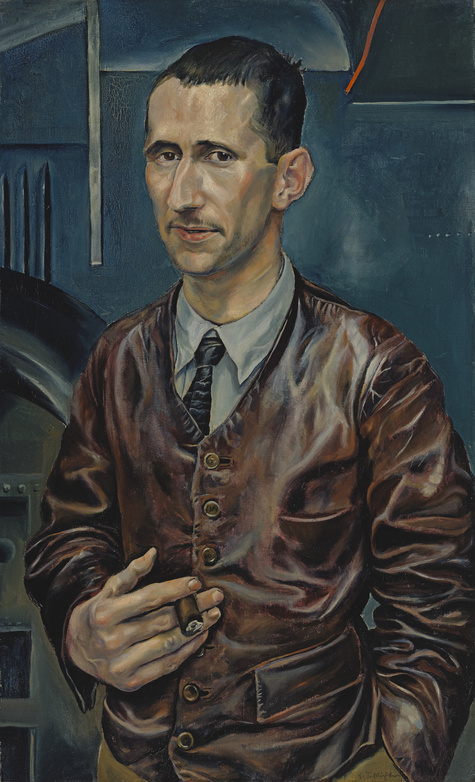
Rudolf Schlichter
Bertolt Brecht, um 1926
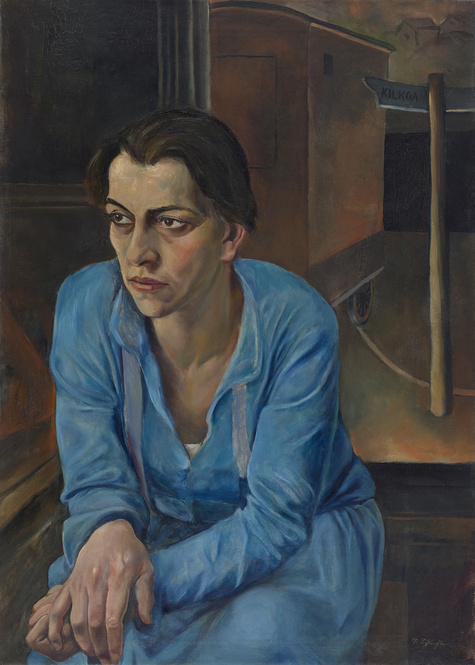
Rudolf Schlichter
Helene Weigel, 1928
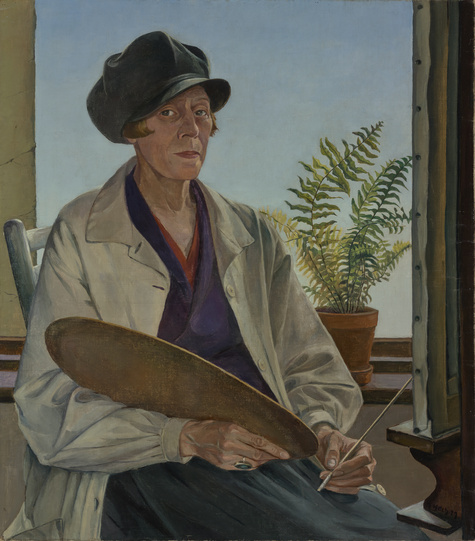
Käte Hoch
Selbstbildnis, 1929
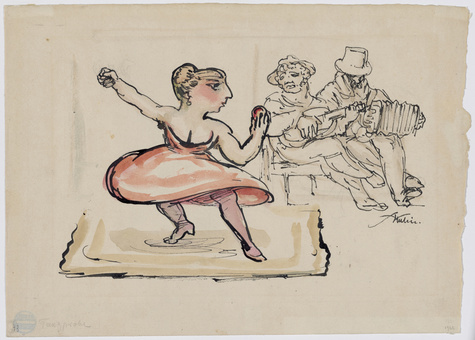
Alfred Kubin
Tanzprobe, 1922
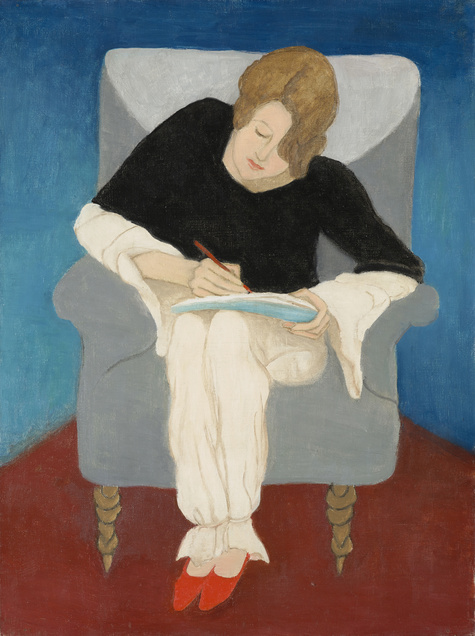
Gabriele Münter
Dame im Sessel, schreibend (Stenographie. Schweizerin in Pyjama), 1929
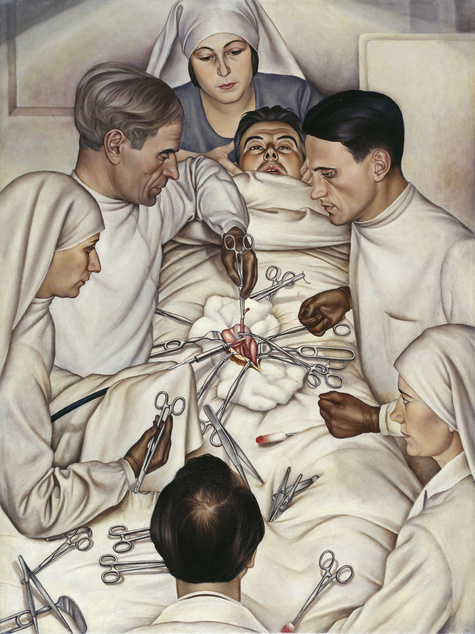
Christian Schad
Operation, 1929
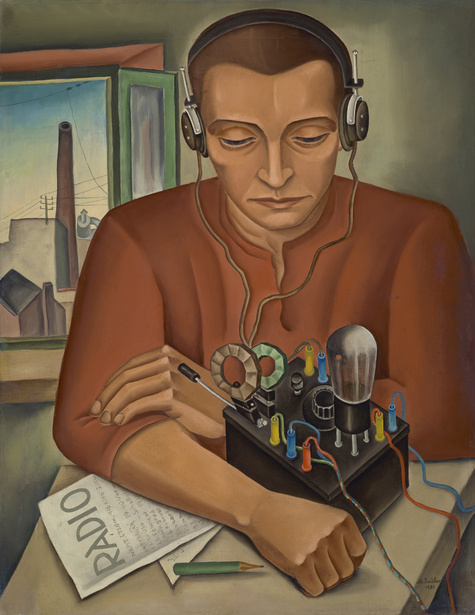
Max Radler
Der Radiohörer, 1930

Karl Hubbuch
Tanzbar, undatiert
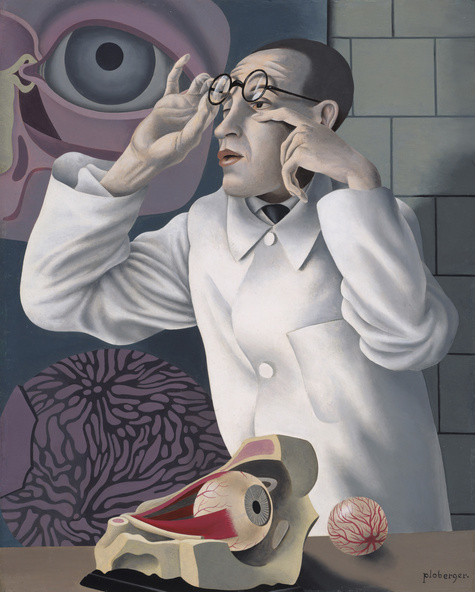
Herbert Ploberger
Porträt eines Augenarztes, um 1928/1930
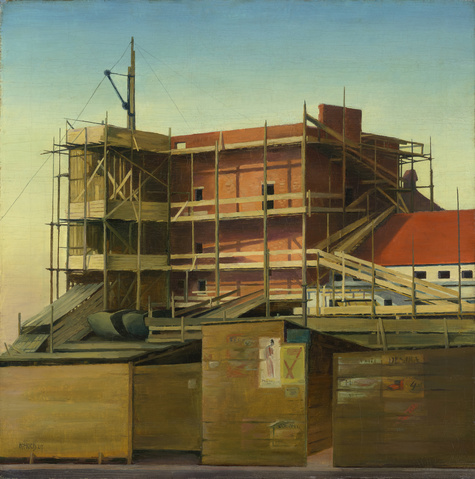
Käte Hoch
Neubau, 1927
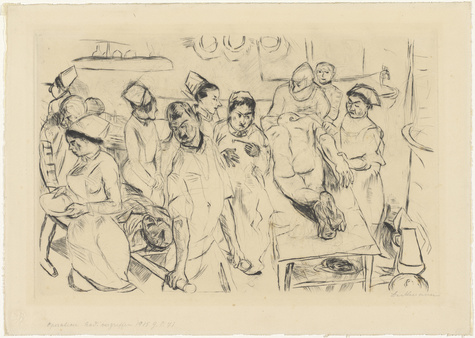
Max Beckmann
Operation, 1915, 1915
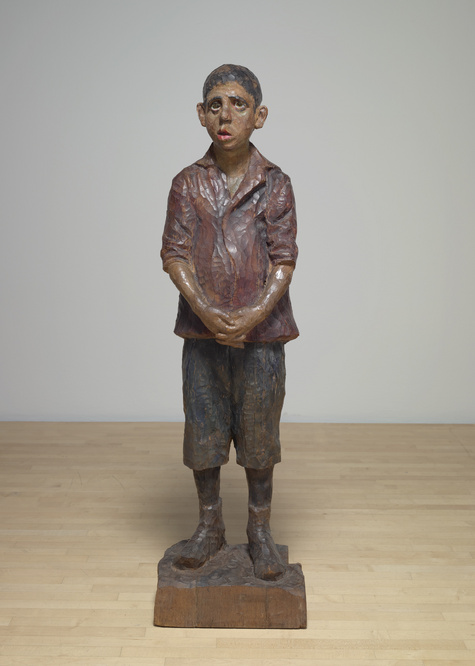
Christoph Voll
Joseph, 1923/24
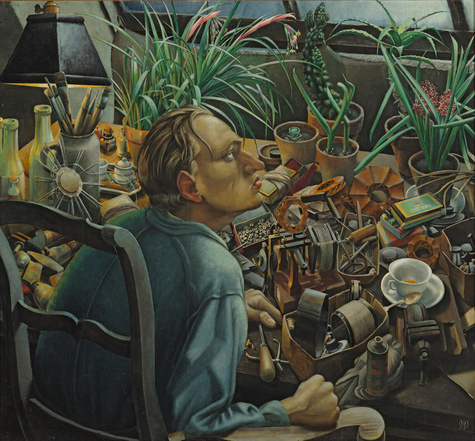
Wilhelm Heise
Verblühender Frühling, 1926
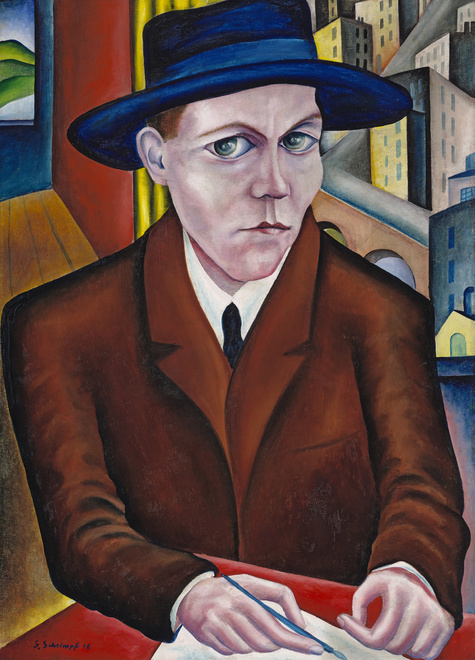
Georg Schrimpf
Oskar Maria Graf, 1918

Käte Hoch
Ohne Titel
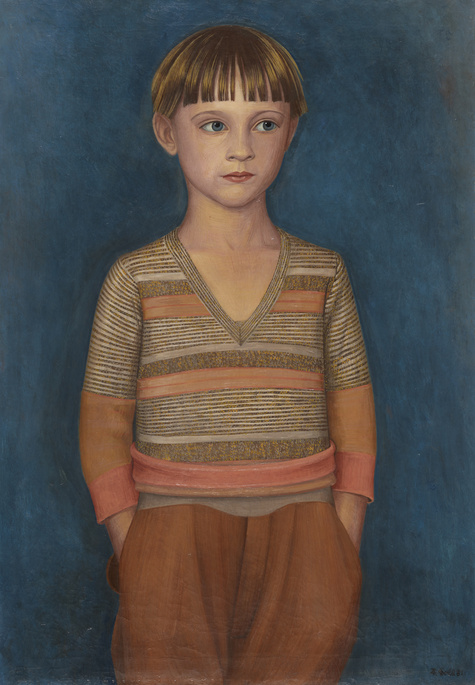
Franz Doll
Robert, 1931
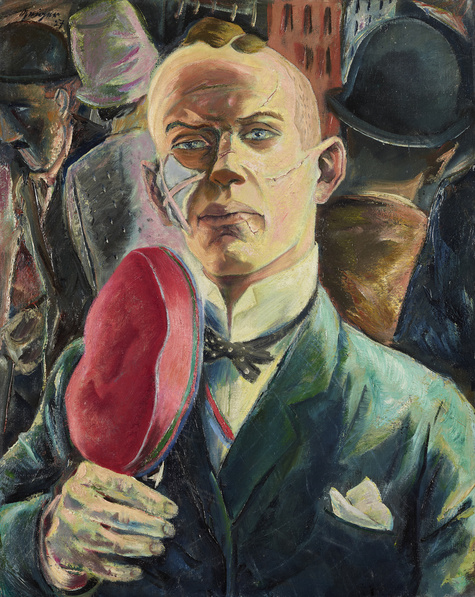
Willi Geiger
Der Korpsstudent, 1927
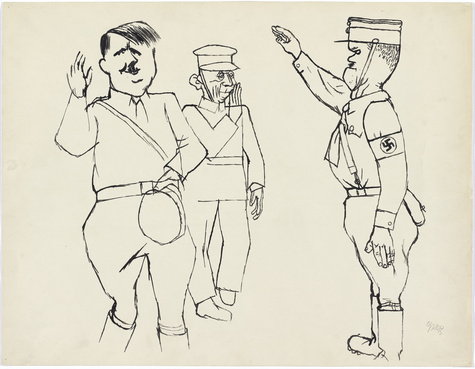
George Grosz
"Heil Hitler!", 1930

Fritz Koelle
Sitzender Arbeiter, 1928
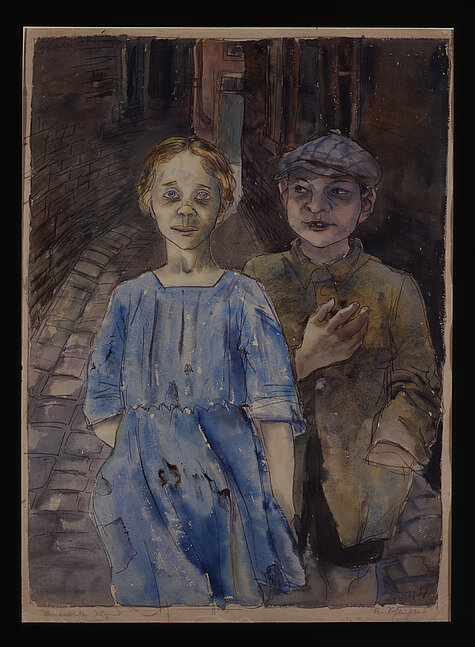 Rudolf Schlichter, Destitute Youth, ca. 1925–26, Watercolor and pen-and-ink on paper, Private Collection. Photo: Private Collection
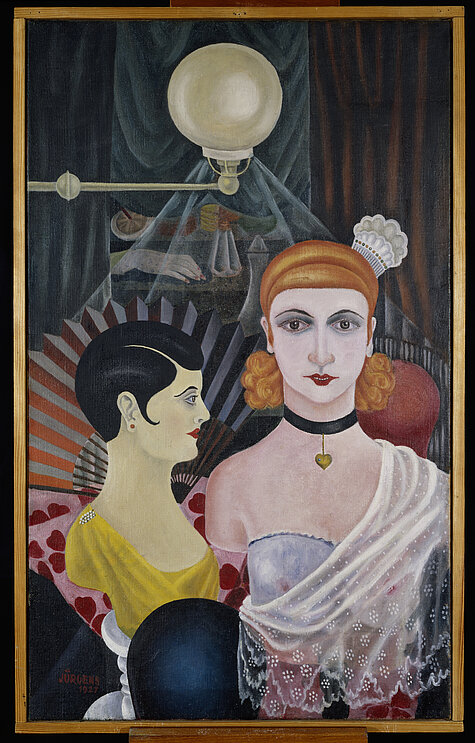 Grethe Jürgens, Hairdresser Dolls 1927, Oil on canvas, Private Collection. Photo: Private Collection © H. Jürgens-Hitz
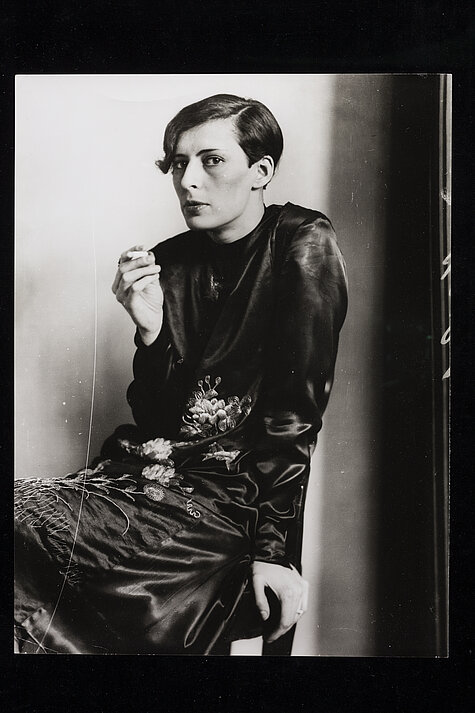 August Sander, Secretary at Westdeutscher Rundfunk in Cologne, 1928, Gelatin developing-out paper, Münchner Stadtmuseum. Photo: Münchner Stadtmuseum, © Die Photographische Sammlung / SK-Stiftung Kultur – August Sander Archiv, Köln: VG Bild-Kunst, Bonn 2026
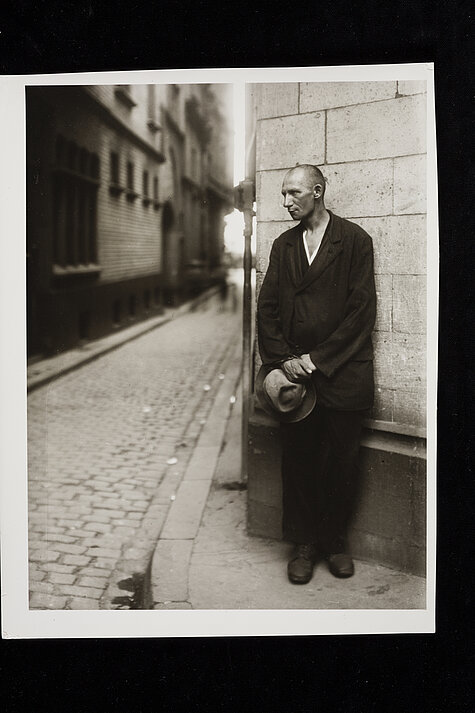 August Sander, Unemployed, Cologne 1928, Gelatin developing-out paper, Münchner Stadtmuseum. Photo: Münchner Stadtmuseum, © Die Photographische Sammlung / SK-Stiftung Kultur – August Sander Archiv, Köln: VG Bild-Kunst, Bonn 2026
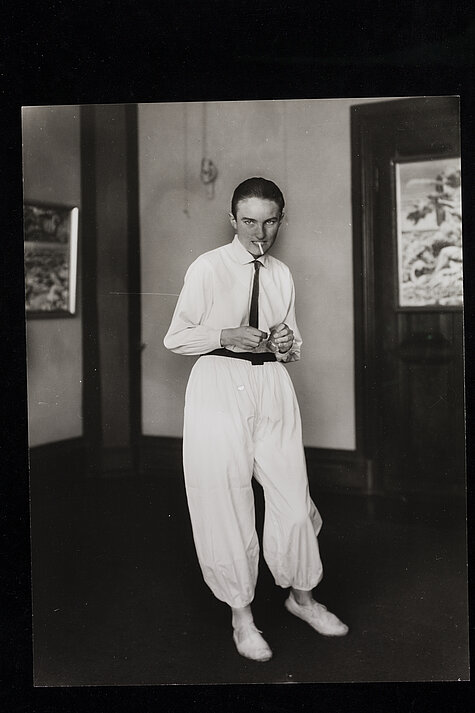 August Sander, Wife of a Painter (Helene Abelen) ca. 1926, Gelatin developing-out paper, Münchner Stadtmuseum. Photo: Münchner Stadtmuseum, © Die Photographische Sammlung / SK-Stiftung Kultur – August Sander Archiv, Köln: VG Bild-Kunst, Bonn 2026
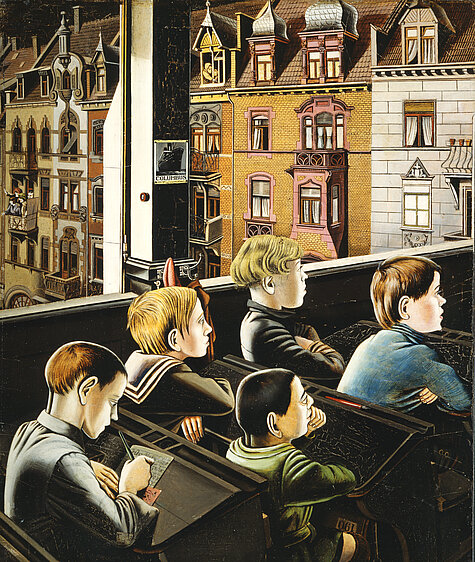 Karl Hubbuch, The Schoolroom, 1925, Oil on primed gray cardboard on wood, Private Collection. Photo: Private Collection, © Karl Hubbuch-Stiftung / Städtische Galerie Karlsruhe 2026
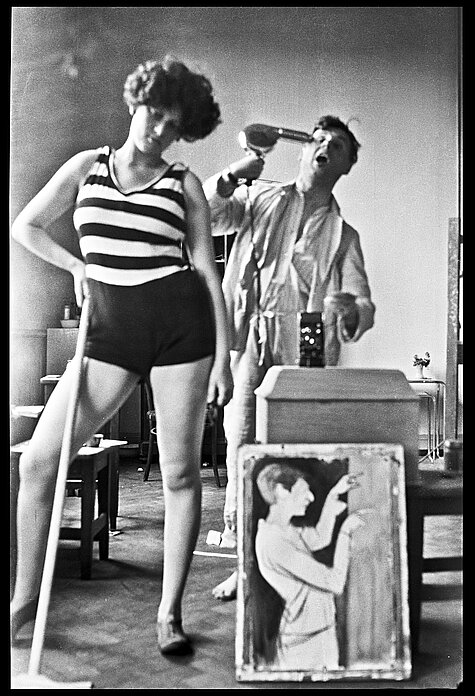 Karl Hubbuch, Karl and Hilde Hubbuch With a Broom and a Hair Dryer Standing in Front of the Mirror, after 1927, Digital print, Münchner Stadtmuseum. Photo: Münchner Stadtmuseum, © Karl Hubbuch-Stiftung / Städtische Galerie Karlsruhe 2026
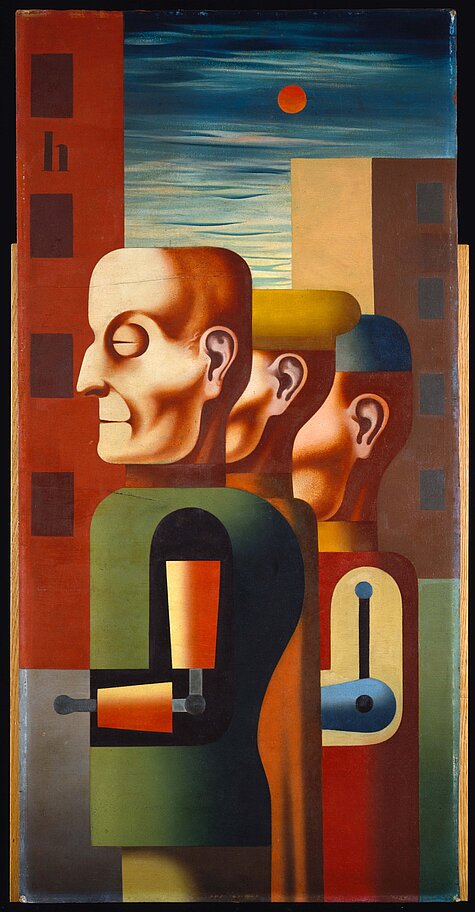 Heinrich Hoerle, Three Disabled Persons, ca. 1930, Oil on plywood, Private Collection. Photo: Private Collection
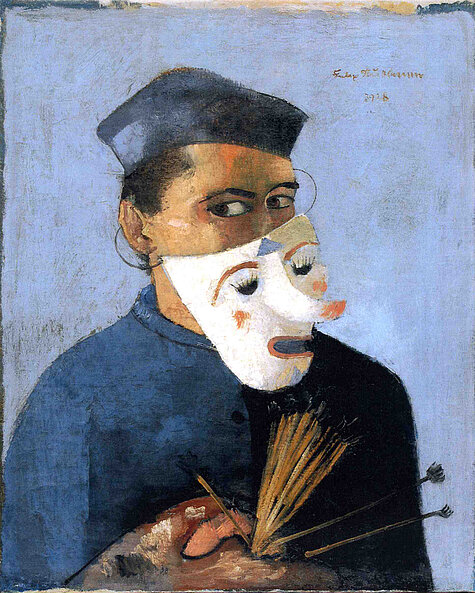 Felix Nussbaum, Selbstbildnis mit Maske, 1928 / Self-Portrait with Mask, 1928, Oil on canvas, Private Collection. Photo: Private Collection
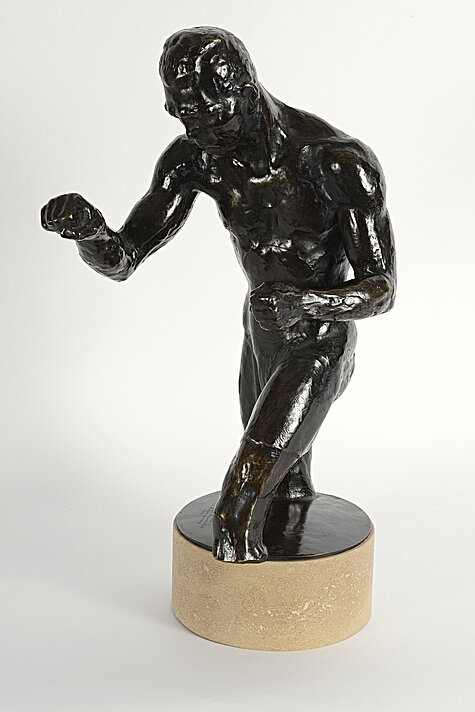 Rudolf Belling, Max Schmeling, 1929, Bronze,
Berlinische Galerie – Landesmuseum für Moderne Kunst, Fotografie und Architektur. Photo: Berlinische Galerie © VG Bild-Kunst, Bonn, 2026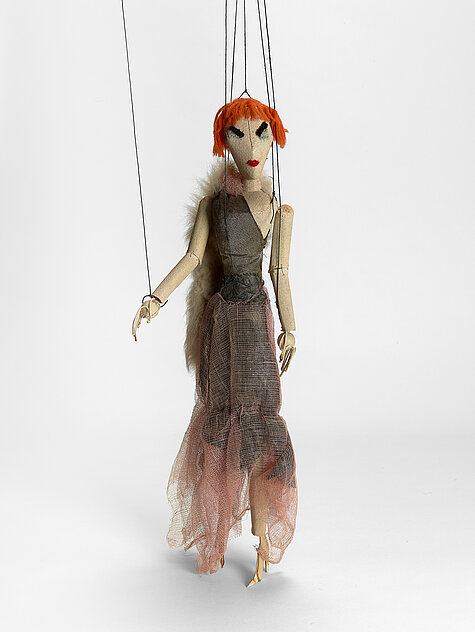 Eva Regina Hildenbrand, Puppet “Woman with Long Dress and Red Hair” from a Casino Play, 1925, Textile, stiff canvas, Münchner Stadtmuseum. Photo: Münchner Stadtmuseum, © Artist or legal successor
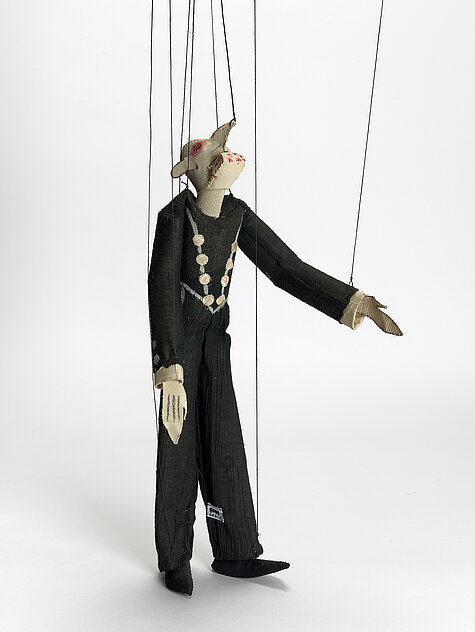 Eva Regina Hildenbrand, 1925 / Puppet "Man in a Black Suit" from a Play in a Casino, 1925, Textile, stiff canvas, Münchner Stadtmuseum. Photo: Münchner Stadtmuseum, © Artist or legal successor
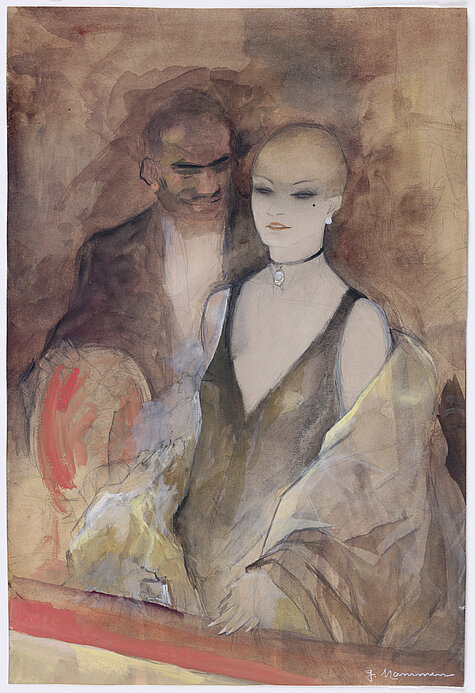 Jeanne Mammen, Theater Box (The Tenor), ca. 1927, Watercolor on pencil on paper, Berlinische Galerie – Landesmuseum für Moderne Kunst, Fotografie und Architektur, Scan: Anja Elisabeth Witte/Berlinische Galerie, © VG Bild-Kunst, Bonn, 2026
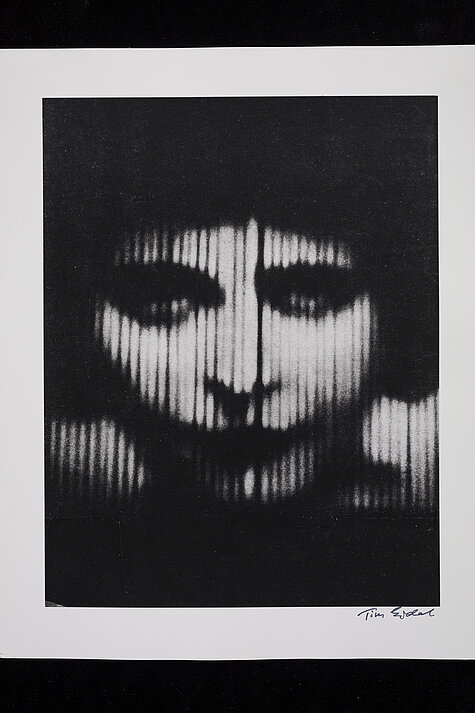 Tim Gidal, Television Face, Deutsches Museum, Munich, 1930, Gelatin developing-out paper Ag-Print, Münchner Stadtmuseum. Photo: Münchner Stadtmuseum, © Die Daniel J. Cohen Bibliothek im Salomon Ludwig Steinheim-Institut für deutsch-jüdische Geschichte e. V., Essen
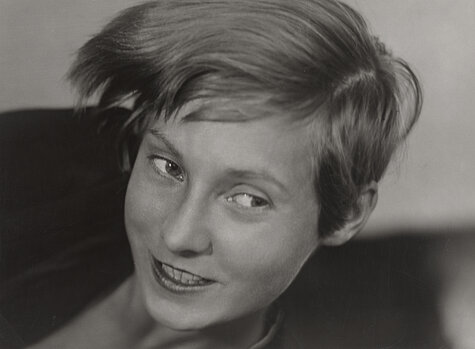 Cami Stone, (Untitled),1920–30, Gelatin silver print, Berlinische Galerie – Landesmuseum für Moderne Kunst, Fotografie und Architektur, Scan: Anja Elisabeth Witte/Berlinische Galerie, © Artist or legal successor
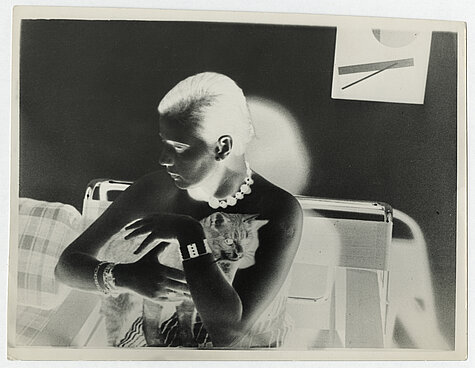 Franz Roh, Woman in a Bauhaus Chair with Cat 1928-33, Gelatin developing-out paper, negative print, Münchner Stadtmuseum. Photo: Münchner Stadtmuseum, © Richard Hampe, München

Installation views
- Installation Shot, A Long-Distance Call: Scenes from the Weimar Republic, Lenbachhaus Munich, 2026. Photo: Simone Gänsheimer, Lenbachhaus
- Installation Shot, A Long-Distance Call: Scenes from the Weimar Republic, Lenbachhaus Munich, 2026. Photo: Simone Gänsheimer, Lenbachhaus
- Installation Shot, A Long-Distance Call: Scenes from the Weimar Republic, Lenbachhaus Munich, 2026. Photo: Simone Gänsheimer, Lenbachhaus
- Installation Shot, A Long-Distance Call: Scenes from the Weimar Republic, Lenbachhaus Munich, 2026. Photo: Simone Gänsheimer, Lenbachhaus
- Installation Shot, A Long-Distance Call: Scenes from the Weimar Republic, Lenbachhaus Munich, 2026. Photo: Simone Gänsheimer, Lenbachhaus
- Installation Shot, A Long-Distance Call: Scenes from the Weimar Republic, Lenbachhaus Munich, 2026. Photo: Simone Gänsheimer, Lenbachhaus
- Installation Shot, A Long-Distance Call: Scenes from the Weimar Republic, Lenbachhaus Munich, 2026. Photo: Simone Gänsheimer, Lenbachhaus
