
Picture Perfect
Views from the 19th Century –
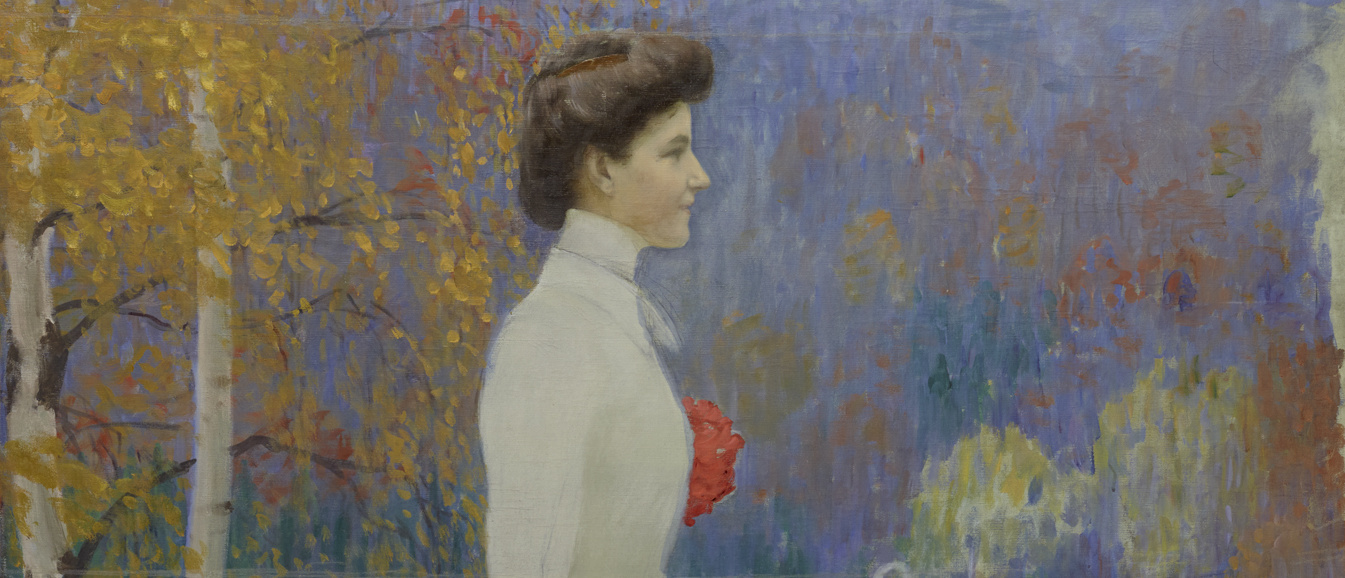
The nineteenth century is the age of pictures. Visual art reached larger audiences than ever before. Artists—women and men—powerfully shaped the culture of their time, the spectrum of themes considered worthy of depiction was substantially enlarged, and "picture perfect" became the highest form of praise. The motifs that were invented then still define our ideas of romantic feeling, of sadness and beauty. Over the course of the nineteenth century, an enormously diverse universe of narrative visual art emerged whose capacity for formal innovation remains thrilling today.
"Picture Perfect" presents a reinterpretation of the Lenbachhaus’s collection of nineteenth-century art. The new display covers an unusually wide range of artistic styles and subjects in an effort to offer fresh perspectives on this rich visual culture. Complemented by photographs and film and audio samples, it charts the contemporary context in which themes and imageries originated and spotlights some of the ways in which the long nineteenth century continues to inform contemporary culture today.
In the nineteenth century, the people who visited exhibitions and collected art, who read books, journals, or travel guides expected to encounter vivid portrayals and entertaining stories, and so many artists tended to affirm existing realities rather than subject them to critical scrutiny, but we can also glimpse moments of irony that suggest an awareness that their productions were often based on models and façades. Still, the rapid growth of the imagery in public circulation meant that the world of individual experience was drastically enlarged.
In the hands of artists, natural scenes became the picture-postcard vistas we still like to take in. Traditional dresses and rural traditions were revived or, in some instances, invented out of whole cloth in the nineteenth century; some proved so compelling that people around the world now flock to Oktoberfests to perform as "Bavarians". In the German mind, the forest is central to the relationship between humans and nature, a visual and emotional space.
Painters who moved to the countryside not only interpreted the rural world, they also experimented with modern ways of life, and their art conveyed a sense of vitality unmarred by the constraints of urban decorum. As portraitists of the bourgeoisie and aristocracy, they helped define the public image of these social strata; they explored the relations between the sexes and class differences. The entire "grand theater" of the modern world waited to be cast into visual representations: phenomena as diverse as life in the historic past, the problems of the natural sciences, or the allure of spiritism.
Curated by Susanne Böller
Statements
"Das 19. Jahrhundert jedenfalls war voll mit Geschichten in Bildern. Ob im Privaten oder in der Öffentlichkeit, ob zur Unterhaltung oder zur Bildung – allenthalben wurden Szenen ins Bild gesetzt. Die Maler des 19. Jahrhunderts schufen Bilderwelten bis dahin kaum gekanntes Ausmaßes."
"Hier steht im Hintergrund ein Jahrhundert, das von der geschlossenen Welt der Stände in den freien Markt inklusive Raubtierkapitalismus und Imperialismus schoss, zugleich einen noch nie geahnten Fortschritt in Wissenschaft, Technik und freiheitlichen Denken möglich machte. Hier schaukelt die Wiege der Moderne."
"Das 20. Jahrhundert war die Zeit des Fernsehens, das 21. ist das von Internet & Co. – und das 19. Jahrhundert die große Zeit der Bilder. Gerade auch in München, das sich damals zur führenden Kunststadt Deutschlands entwickelte. [...] Die Bestände werden hier neu präsentiert. [...] Aha-Effekte garantiert – oder auch Überrumpelung [...] Öha in Öl."
"Unter dem Titel 'Bildschön' hat Kuratorin Susanne Böller die hauseigene Malerei nun so ungemein anregend aufbereitet, dass man sich leicht zwischen Gebirgsketten und Waldlichtungen, Spaziergängerinnen und Atelier-Nackedeis vergessen kann."
Works

Albrecht Adam
Gebirgslandschaft mit pflügendem Bauern, 1825

Lovis Corinth
Frühstück in Max Halbes Garten, 1899

Lovis Corinth
Der Walchensee bei Mondschein, 1920
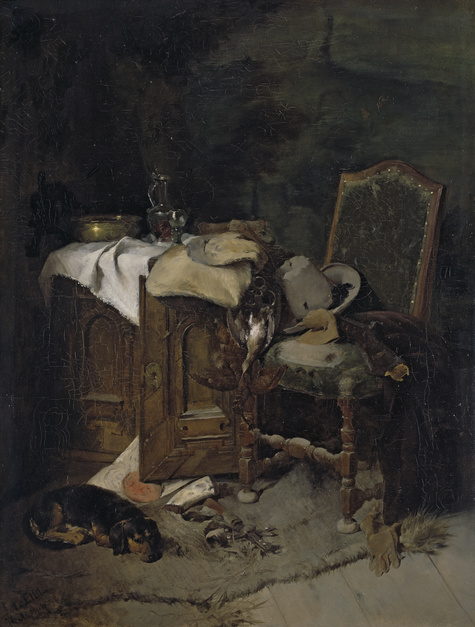
Ludwig Eibl
Jagdstillleben, 1874
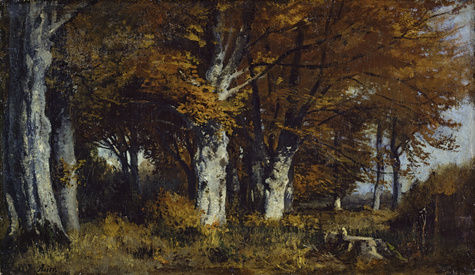
Adolf Heinrich Lier
Buchenwald im Herbst, 1874
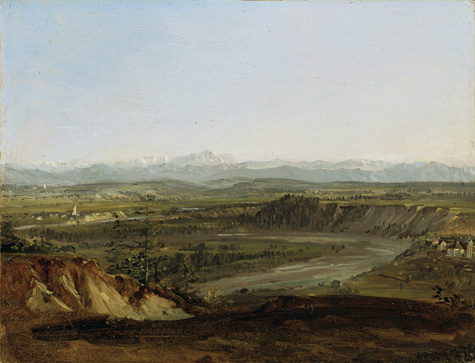
Johann Georg von Dillis
Das Lechtal mit Blick auf die Zugspitze, um 1809
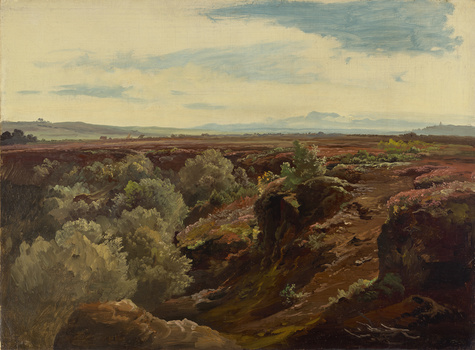
Christian Ernst Bernhard Morgenstern
An der Amper bei Oberhausen, um 1840
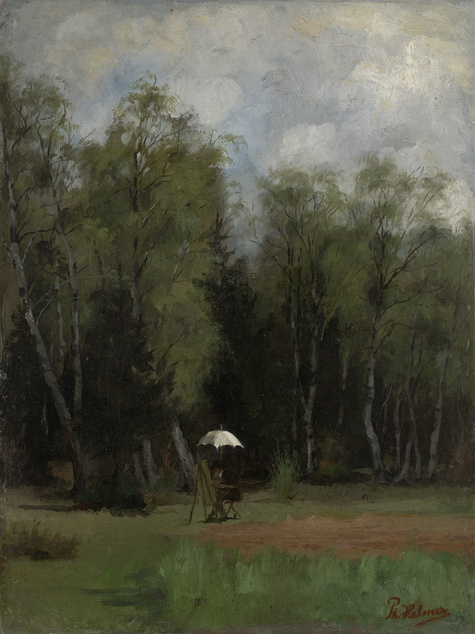
Philipp Helmer
Maler am Waldrand, undatiert

Johann Sperl
Wiese vor Leibls Atelier in Aibling, 1893
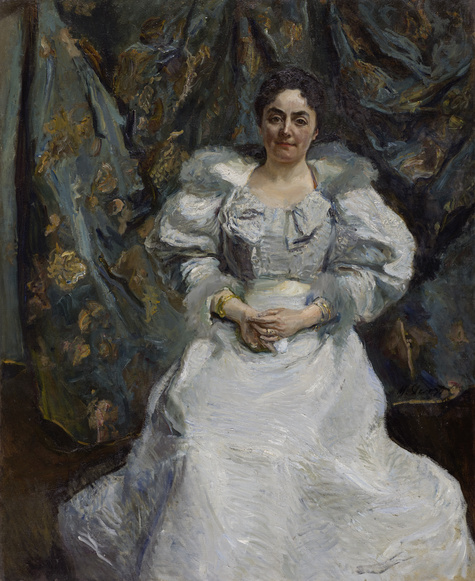
Max Slevogt
Frau Luise Papenhagen, 1897
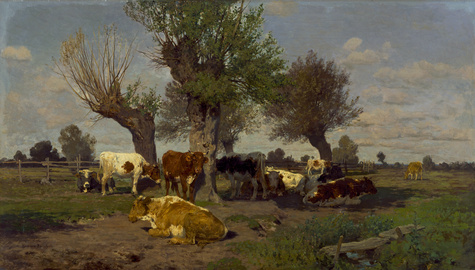
Hermann Baisch
Landschaft mit Viehherde, 1880
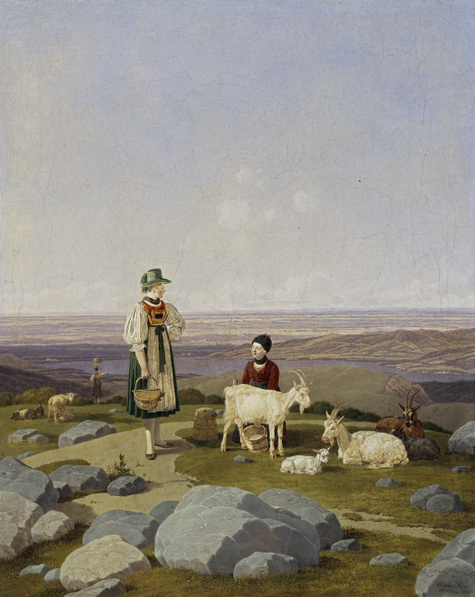
Wilhelm von Kobell
Auf der Gaisalm, 1828
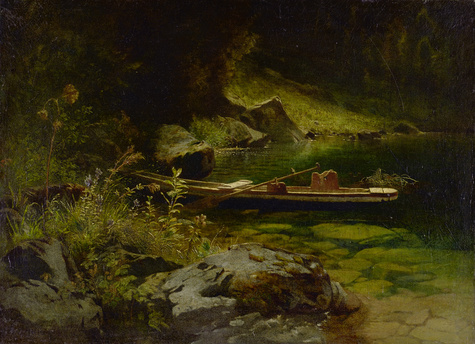
Johann Friedrich Hennings
Studie vom Königssee, 1870
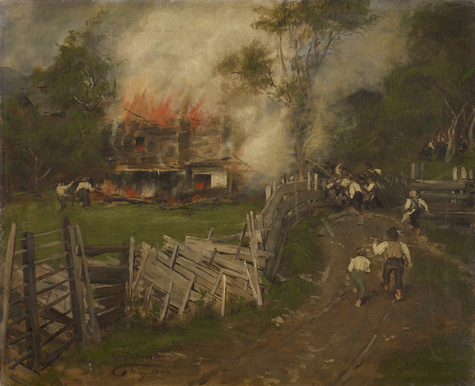
Franz von Defregger
Das brennende Seppenhaus in Reith, 1890
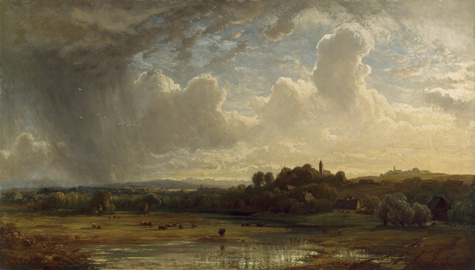
Eduard Schleich der Ältere
Oberbayrische Flußlandschaft bei Gewitter, um 1860

Thomas Theodor Heine
Der Angler, 1892
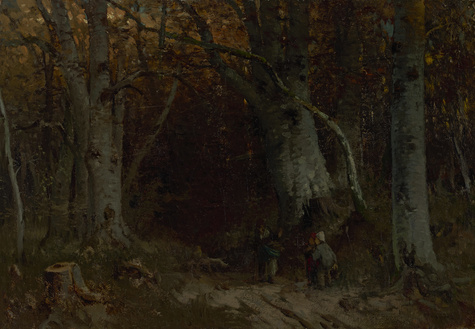
Joseph Wopfner
Hänsel und Gretel, 1875
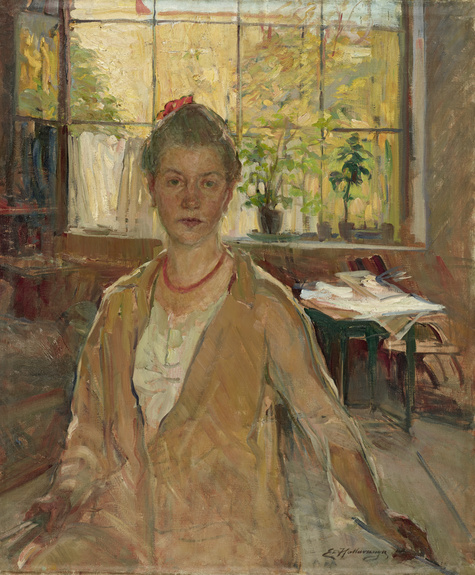
Emilie von Hallavanya
Selbstbildnis, um 1905 (?)

Carl Rottmann
Vorgebirgslandschaft bei Murnau, vermutlich 1830er Jahre
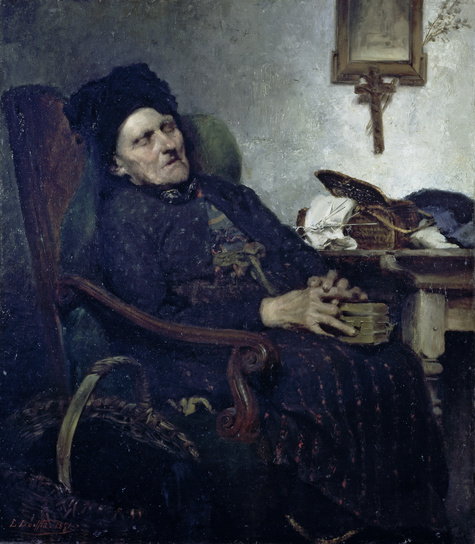
Ludwig von Löfftz
Alte Frau in Interieur, 1871
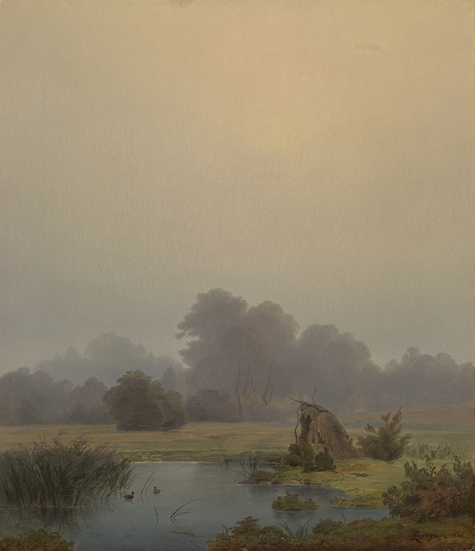
Anton Zwengauer
Herbstmorgen, 1841
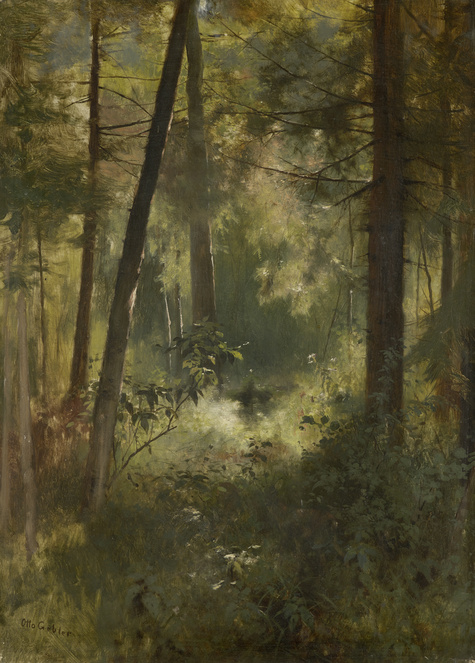
Otto Gebler
Waldinneres, undatiert
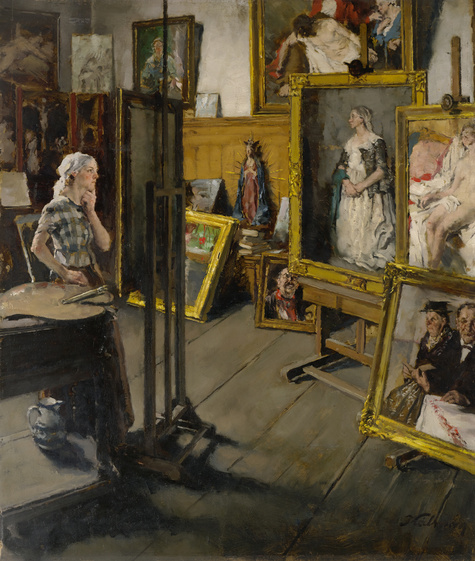
Peter Kálmán
Atelierpause, um 1940
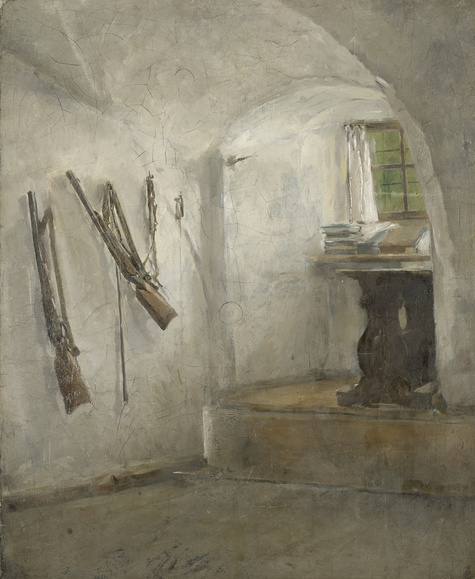
Gotthardt Kuehl
Jagdstube, undatiert
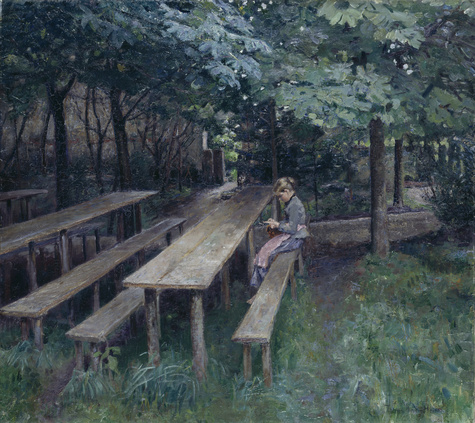
Thomas Theodor Heine
Wirtsgarten in Dachau, 1890
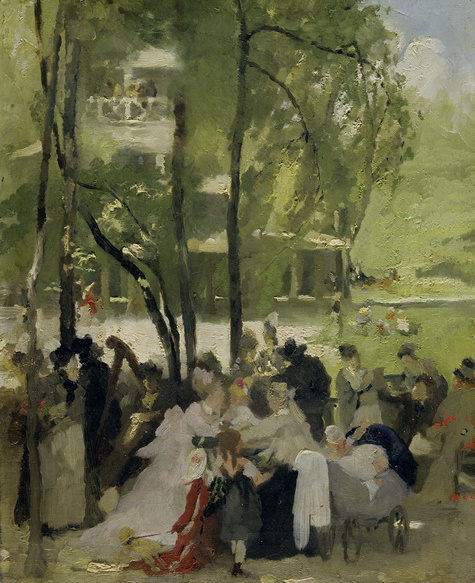
Fritz Schider
Chinesischer Turm, um 1873
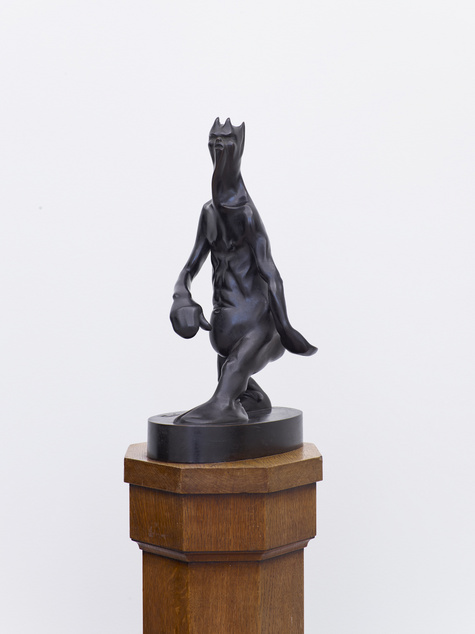
Thomas Theodor Heine
Teufel, vor 1904

Friedrich August von Kaulbach
Gruppe vom Münchner Künstlerfest von 1876, 1876
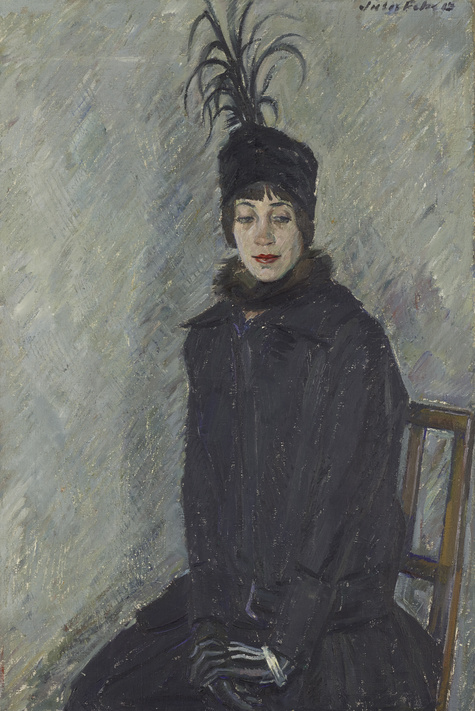
Jules Fehr
Franziska mit dem Reiherhut, 1915
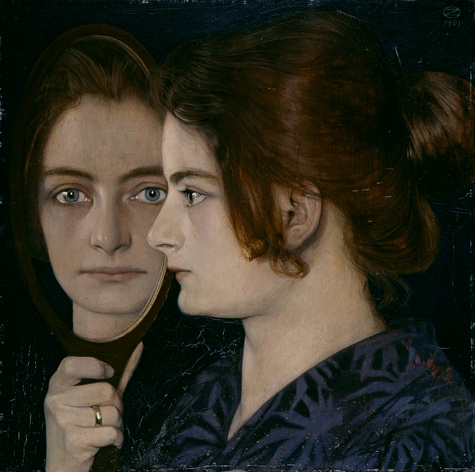
Oskar Zwintscher
Bildnis der Frau des Künstlers, 1901
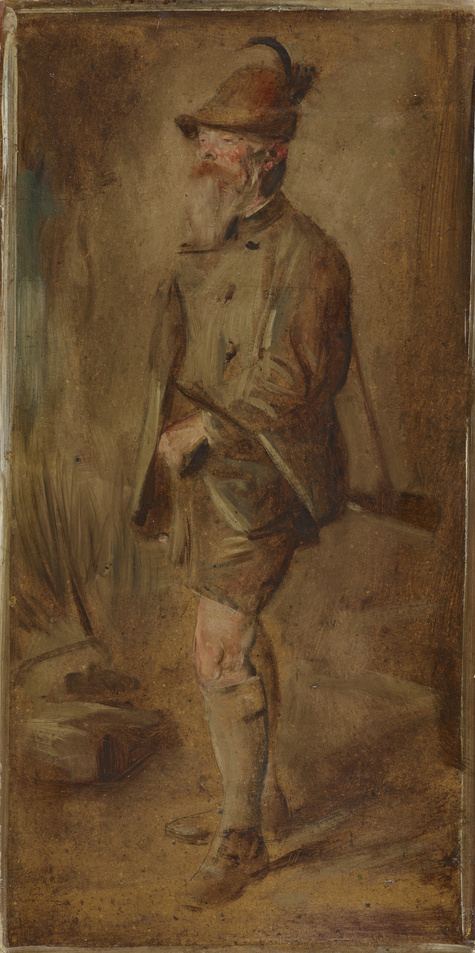
Franz von Lenbach
Luitpold Prinzregent von Bayern, 1896

Lovis Corinth
Der Pianist Conrad Ansorge, 1903
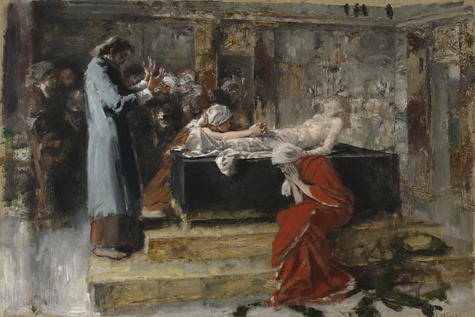
Albert von Keller
Die Auferweckung des Jairi Töchterlein, vor 1886
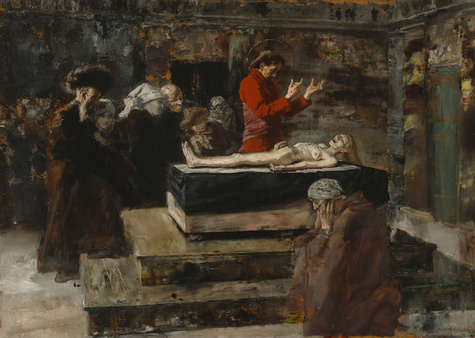
Albert von Keller
Die Auferweckung des Jairi Töchterlein, vor 1886
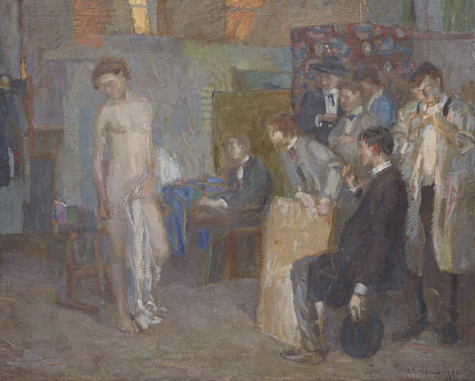
Christian Landenberger
Atelierszene, 1910

Leo Putz
Spätherbst, 1908
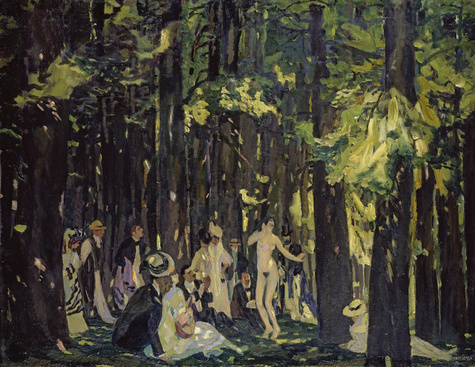
Albert Weisgerber
Sommertag, 1907
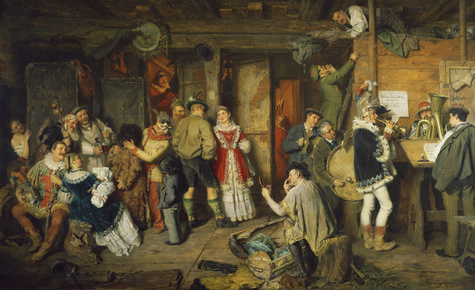
Eduard von Grützner
Bauerntheater, 1882
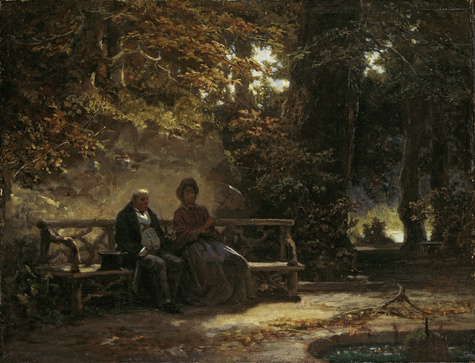
Carl Spitzweg
Ausruhende Spaziergänger, um 1865/1870
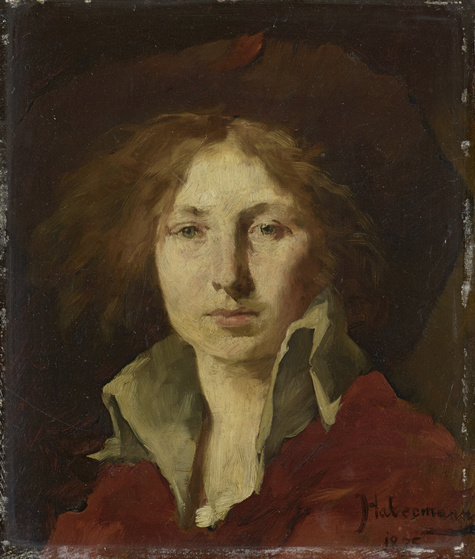
Hugo von Habermann
Weiblicher Kopf, 1875

Johann Georg von Dillis
Gebirgstal (Gegend bei Ruhpolding), um 1817

Christian Ernst Bernhard Morgenstern
Der Starnberger See, 1840er Jahre
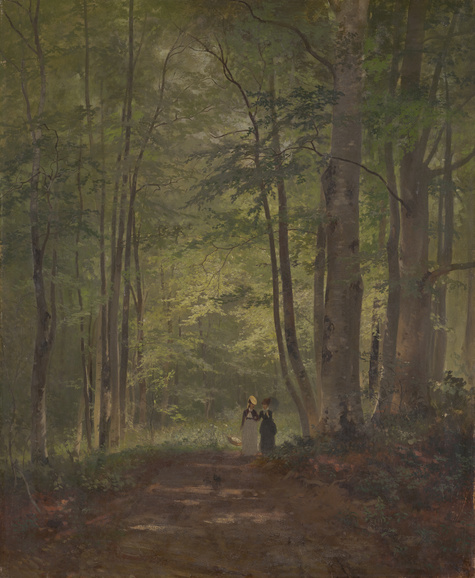
Otto Seitz
Waldinneres mit Staffage, undatiert
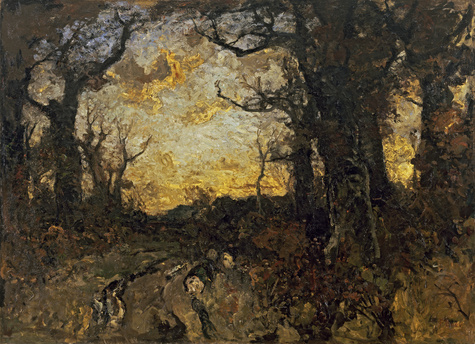
Fritz Baer
Abend im Walde, um 1914

Gabriel von Max
Das Wohnhaus des Künstlers in Ammerland, nach 1875
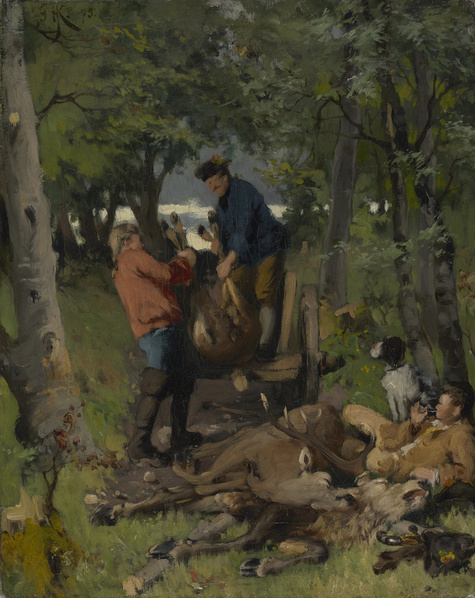
Hugo Kotschenreiter
Nach der Jagd, 1875
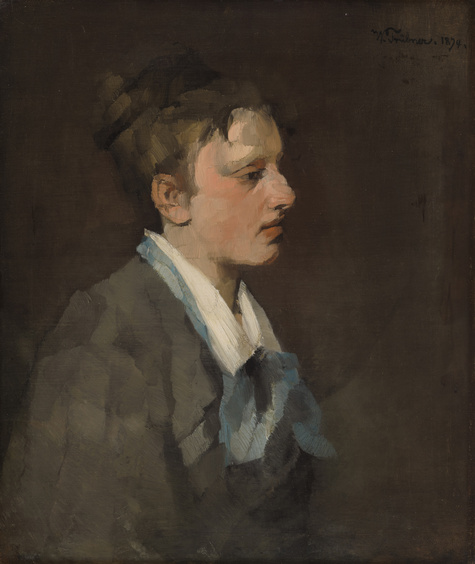
Wilhelm Trübner
Brüsslerin mit blauer Krawatte, 1874

Johann Georg von Dillis
Der Hirschgarten bei München, um 1830
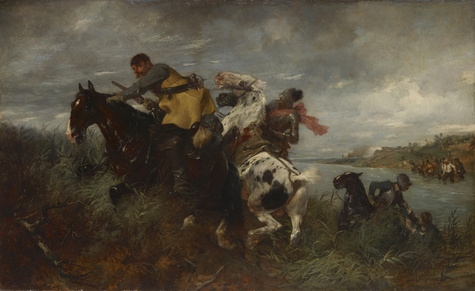
Wilhelm von Diez
Entwischt, 1890
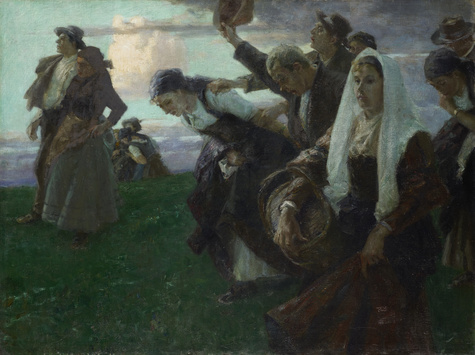
Arthur Langhammer
Heimkehr von der Kirchweih, um 1895
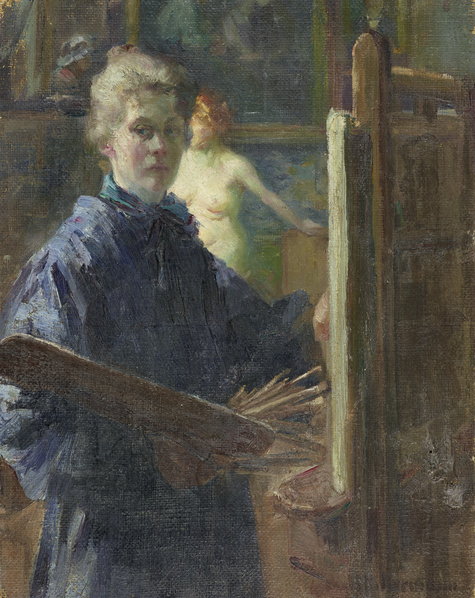
Anna Hillermann
Selbstbildnis im Atelier, um 1900
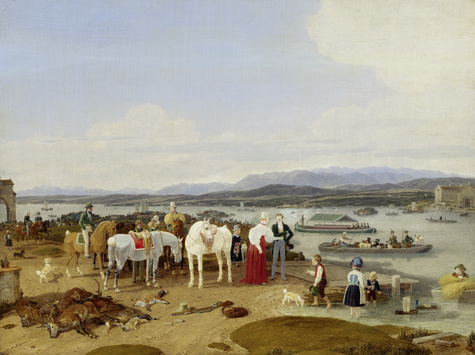
Wilhelm von Kobell
Nach der Jagd am Bodensee, 1833
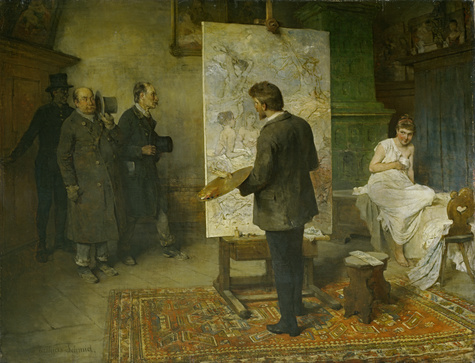
Mathias Schmid
Die Feuerb'schau, um 1888
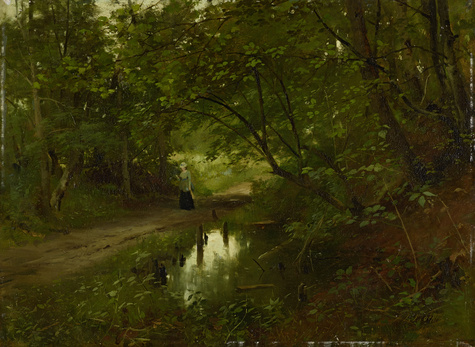
Ludwig von Löfftz
Waldinneres, undatiert

Carl Rottmann
Vorgebirgslandschaft bei Murnau, vermutlich 1830er Jahre
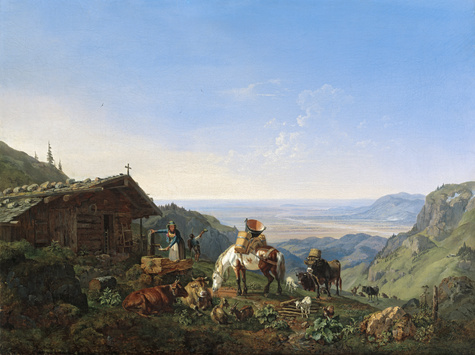
Heinrich Bürkel
Auftrieb zur Alm an der Benediktenwand, 1836

Heinrich Bürkel
Der Untersberg bei Salzburg, 1863
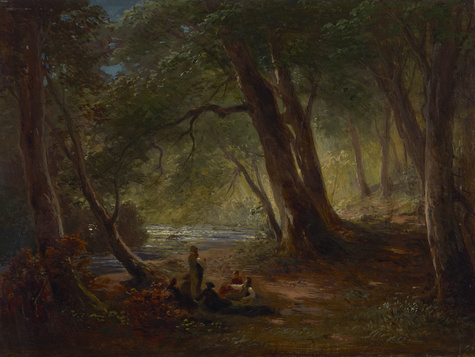
Ludwig Gebhardt
An der Würm bei Mühltal, 1866
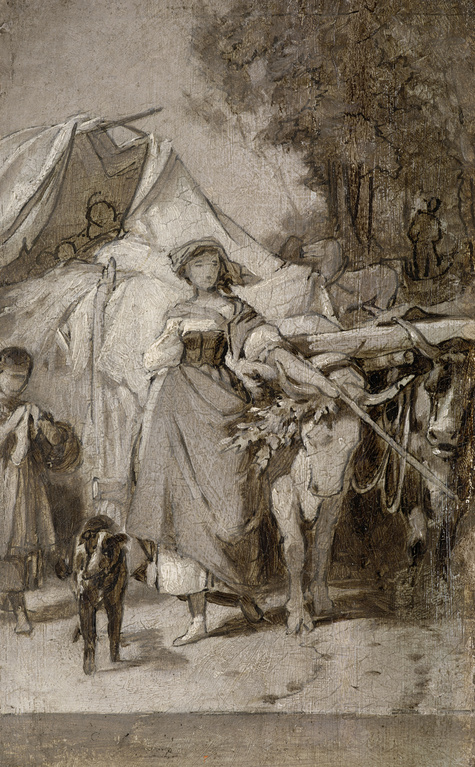
Arthur Georg Freiherr von Ramberg
Zwei Grisaillen zu "Hermann und Dorothea", 1865
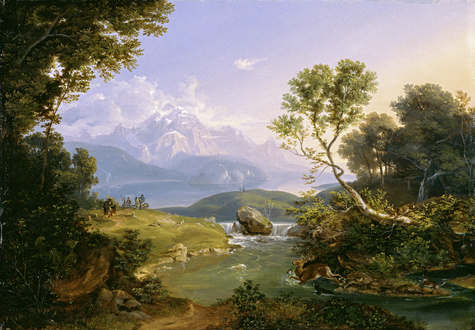
Carl Rottmann
Hirschjagd am Hintersee bei Berchtesgaden, 1823
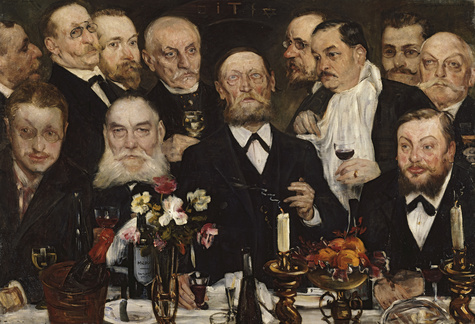
Lovis Corinth
Die Logenbrüder, 1898/99
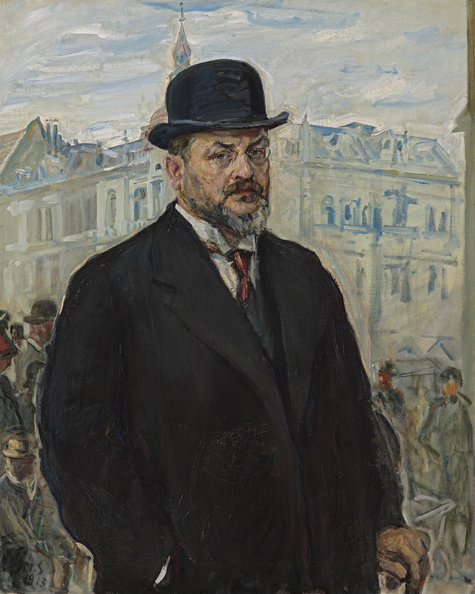
Max Slevogt
Selbstbildnis mit schwarzem Hut, 1913
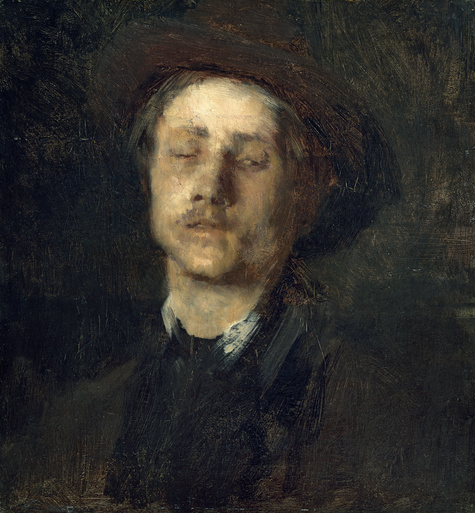
Wilhelm Leibl
Kopf eines Blinden, um 1866/67
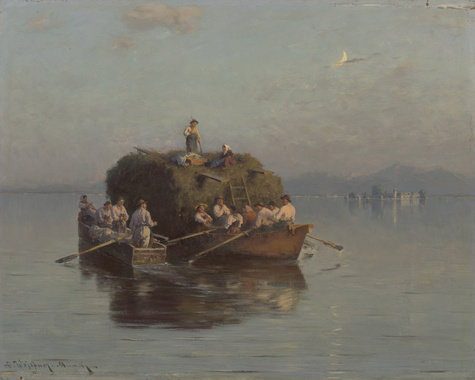
Joseph Wopfner
Heuboot auf dem Chiemsee, um 1885
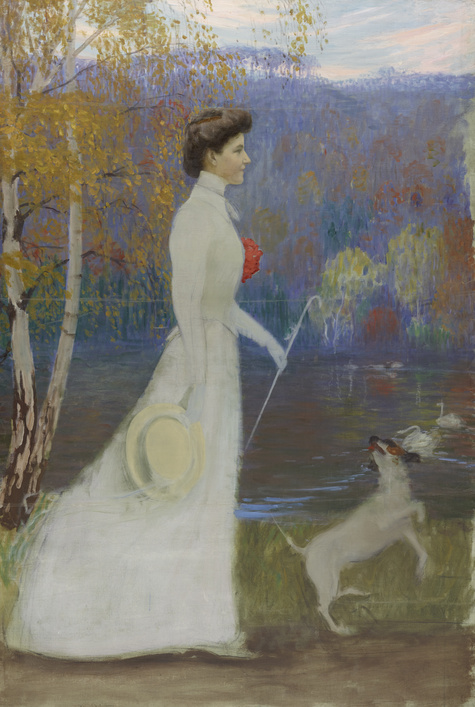
Hans Olde sen.
Caroline Großherzogin von Sachsen-Weimar-Eisenach, um 1903
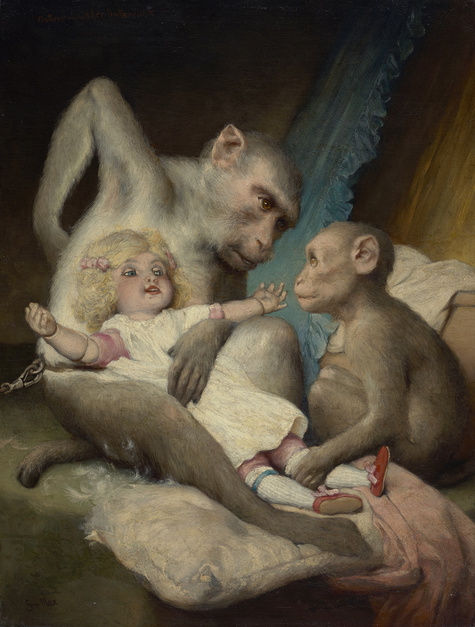
Gabriel von Max
Anthropologischer Unterricht, nach 1900
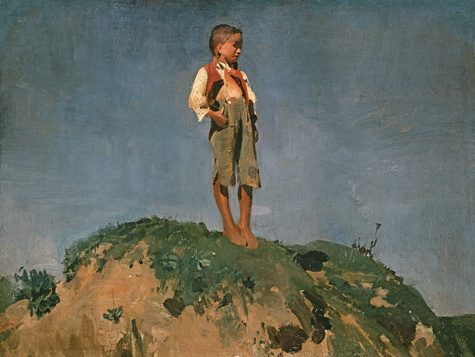
Franz von Lenbach
Hüterbub auf einem Grashügel, um 1859
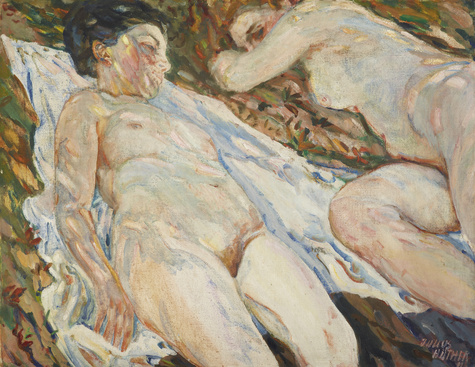
Julius Hüther
Sonnenbad, 1911
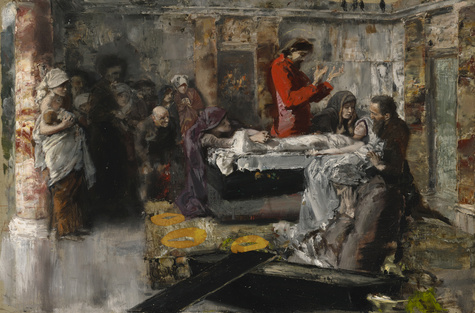
Albert von Keller
Die Auferweckung des Jairi Töchterlein, vor 1886
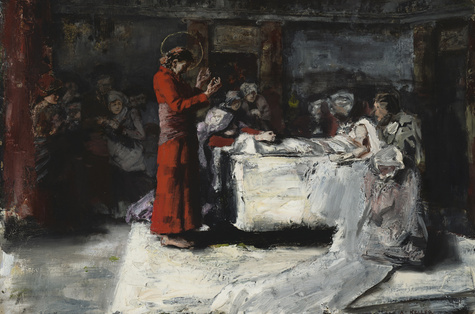
Albert von Keller
Die Auferweckung des Jairi Töchterlein, vor 1886
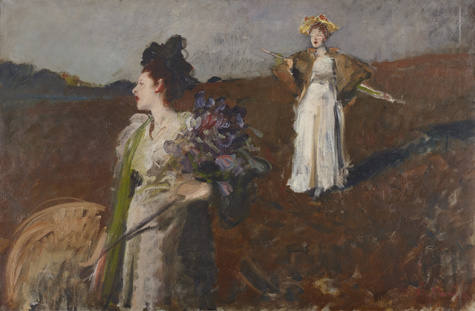
Bruno Piglhein
Spiel im Freien, vor 1894

Fritz von Uhde
Engel im Atelier, 1910
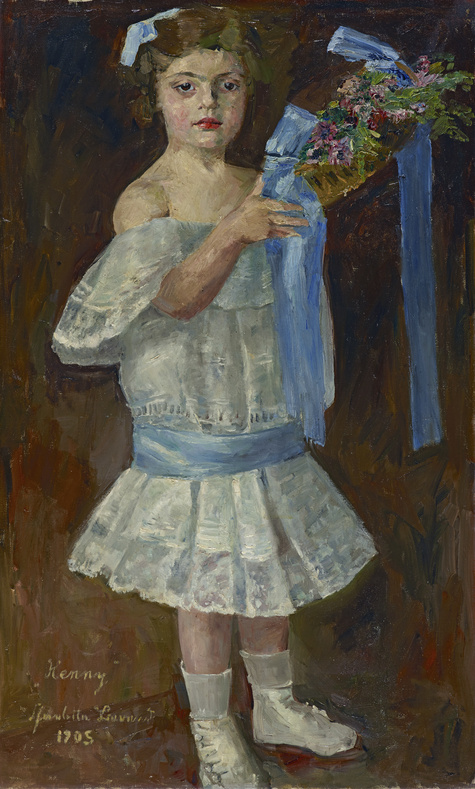
Charlotte Berend-Corinth
Henny (Henriette Seckbach), 1905
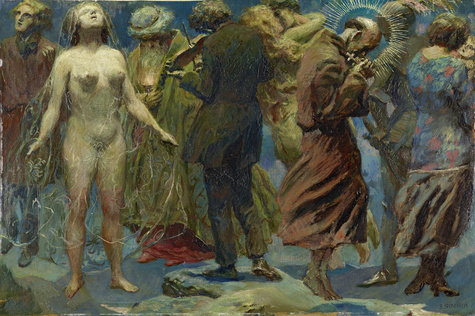
Ferdinand Staeger
Nächtliche Musik, 1918/19

Lovis Corinth
Selbstbildnis mit Skelett, 1896

