
Franz Wanner. Suspended Presences
–
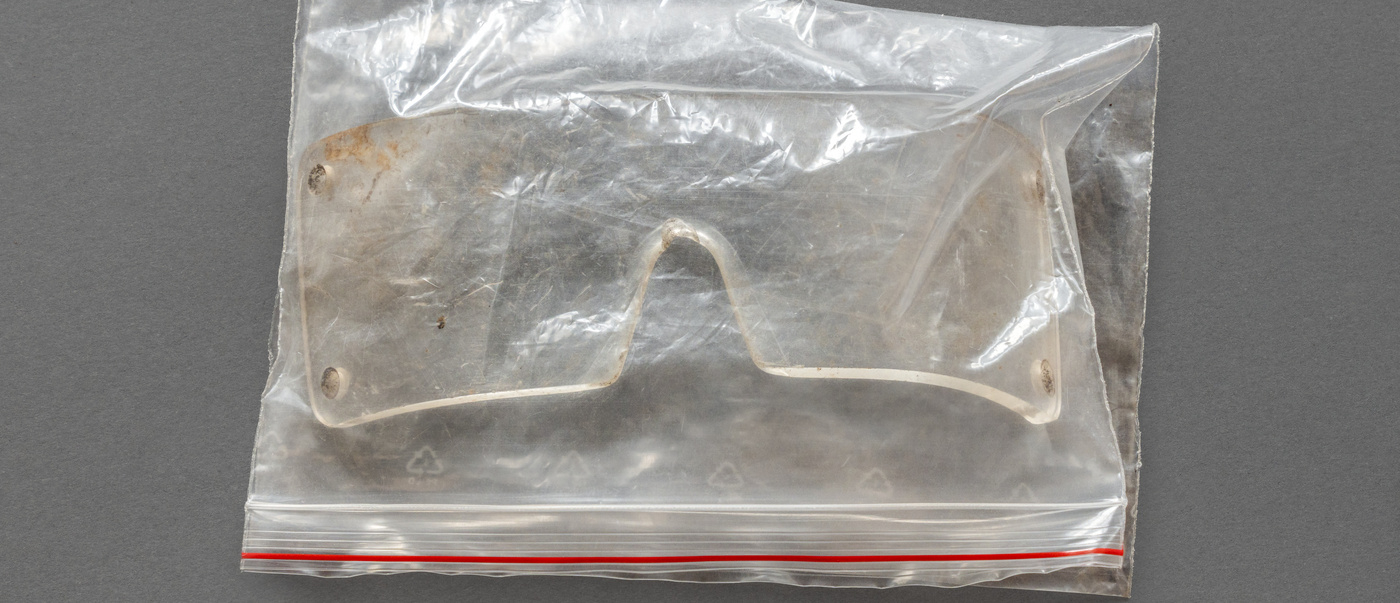
A pair of Plexiglas safety glasses stands at the beginning of the exhibition "Suspended Presences" by Franz Wanner (b. 1975, Bad Tölz). The glasses were unearthed during excavations on the grounds of the former Sachsenhausen concentration camp. They belonged to a person who was used for forced labor in the arms industry and wrote them to shield their eyes. To date, no information has been recovered about this person. Their desire to protect themselves is evident to this day.
The material of which the glasses were made was brought to market in 1933 by the German company Röhm & Haas under the trademark "Plexiglas." In the 1930s, the synthetic material was reserved almost entirely for the war industry for plane windows. Propaganda exhibitions by the National Socialist state touted the technical possibilities of the shadowless material. Today, a wide variety of objects are made of Plexiglas, from police shields to museum display cases. For his exhibition, Wanner detaches these objects from their original function to mark the gallery space as a scene of crime. During the Nazi era, forced laborers were exploited in museums including the Lenbachhaus in the name of "art protection," for example to evacuate artworks during air raids as Franz Wanner’s artistic research has recently revealed.
Franz Wanner is interested in the gap between reality and self-representation of the Federal Republic of Germany. To this end, he researches its history and closely examines how it is embellished, sanitized, and utilized for present-day purposes. The exploitation of labor is the central theme of his exhibition at the Lenbachhaus: under Nazism, forced labor was widespread in all areas of society. It was on the massive structures of Nazi forced labor that Germany's later recruitment agreements with Italy, Turkey, Greece, and Yugoslavia were founded. As a result, the people who were recruited from 1955 onwards and moved to Germany were partly housed in former Nazi barracks, which were referred to as "guest worker camps;" the legal basis for the agreements was a Nazi decree from 1938.
Through his questioning of state institutions such as the secret service and the police, his research into the interconnection between university research and the arms industry, and Germany's active role in the European Union's defensive migration policy, Wanner asks how and where the Nazism of then continues in today's neoliberal imperative.
As artist in residence of the Harun Farocki Institute, Franz Wanner developed the exhibition “Mind the Memory Gap” for the KINDL – Centre for Contemporary Art in Berlin. The exhibition at the Lenbachhaus is based upon this earlier presentation.
The accompanying publication "Franz Wanner: Suspended Presents" released by Hirmer Publishers and in cooperation with Kunst Meran Merano Arte.
Curated by Stephanie Weber
Cooperation partners


Statements
"Wanner hat ihr und den Millionen von Menschen, die von den Nazis und den profitierenden Firmen und Organisationen zu grausamer Schufterei (2,5 Millionen Tote) gepresst wurden, mit der Exposition Eingestellte Gegenwarten" (Kuratorin Stephanie Weber) ein Denkmal gesetzt."
"Wie wird Gegenwart gemacht, wie wird sie bereinigt, beschönigt und instrumentalisiert? Unter anderem diese Frage stellt sich der Künstler Franz Wanner in seiner Ausstellung „Eingestellte Gegenwarten“ im Lenbachhaus."
“Franz Wanner ist – im positiven Sinn – eine Nervensäge. Der 1975 in Bad Tölz geborene Künstler sucht Orte auf, deren Vergangenheit nur zu gerne vergessen wird. Er stellt scheinbar einfache Fragen. Er zeigt vermeintlich harmlose Bilder und setzt diese so zusammen, dass sie im Kontext ihre Unschuld verlieren.”
“Kuratiert von Stephanie Weber knüpft die Ausstellung an frühere Arbeiten Wanners an und entwickelt sie weiter. “Eingestellte Gegenwarten” versteht sich als Einladung, Geschichte nicht als abgeschlossen zu betrachten, sondern als Teil einer fortlaufenden Auseinandersetzung.”
“Wanner makes archival research feel urgent and alive: vitrines, shields, and other transparent barreier become evidenc, implacating industries, the state and even the cultrual institutions where his work is displayed. But the museum itself.”
Works
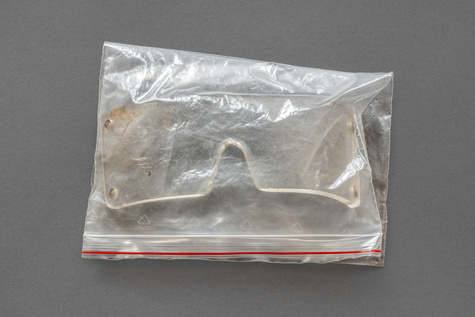 Franz Wanner, From the series, Musterfolien (Sample Slides), 2024-2025. © Franz Wanner
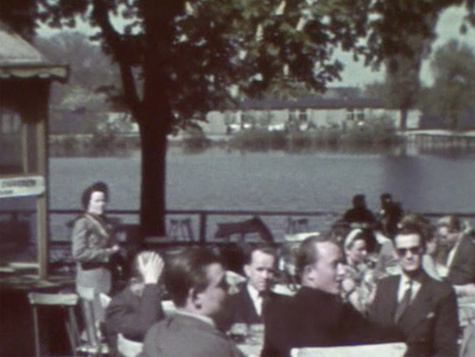 Berlin-Lichtenberg, 2024, Video, found footage, 16mm transferred to video (black-and-white and color, no sound), 7:20 min. © Franz Wanner
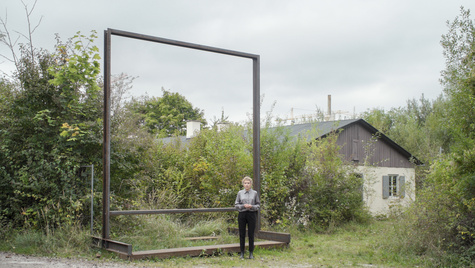 Franz Wanner, Mind the Memory Gap, 2022, Video (color, sound), 13:30 min. © Franz Wanner
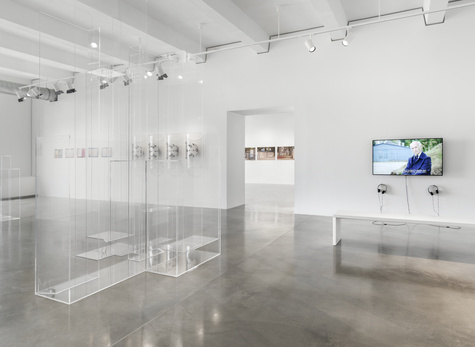 Franz Wanner. Mind the Memory Gap, 2024, Installation Shot KINDL, Berlin, Photo: Jens Ziehe
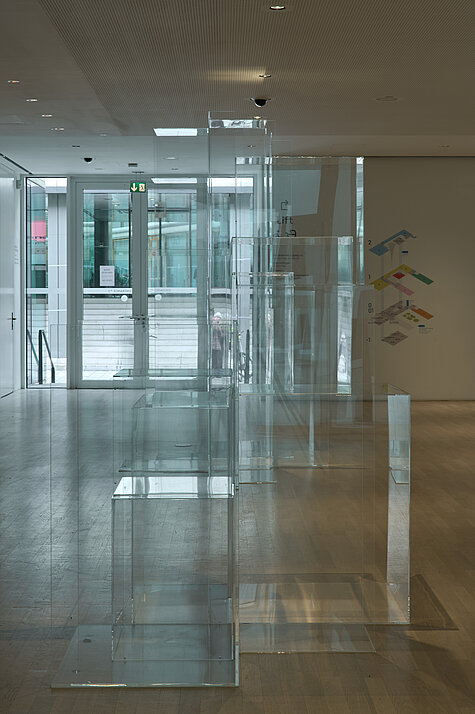 Installation Shot, Franz Wanner. Suspended Presences, Lenbachhaus Munich, 2026. Photo: Ernst Jank © Franz Wanner
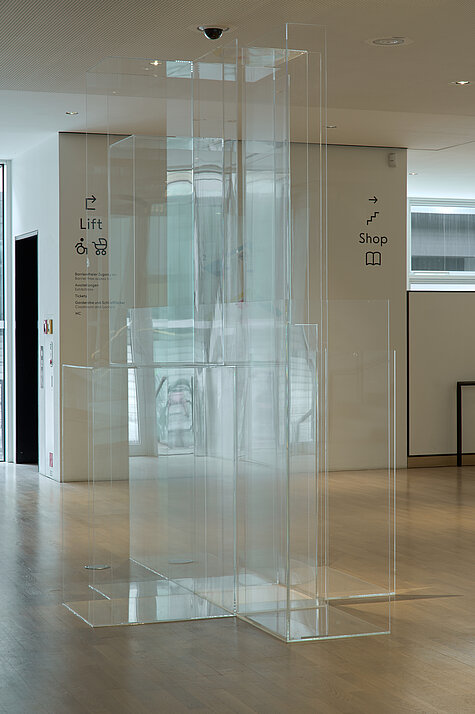 Installation Shot, Franz Wanner. Suspended Presences, Lenbachhaus Munich, 2026. Photo: Ernst Jank © Franz Wanner
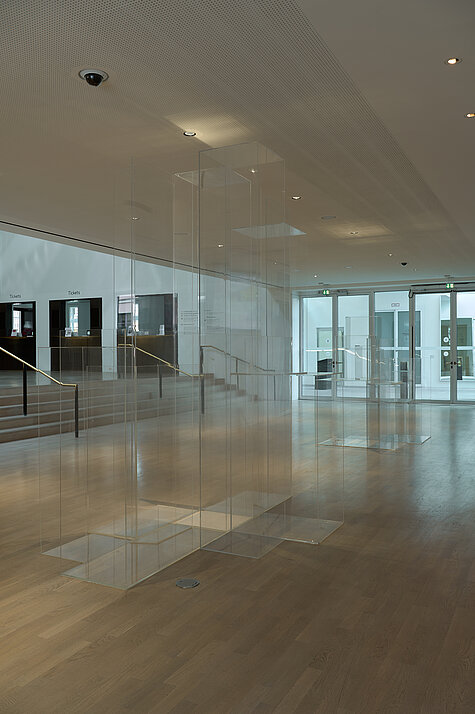 Installation Shot, Franz Wanner. Suspended Presences, Lenbachhaus Munich, 2026. Photo: Ernst Jank © Franz Wanner
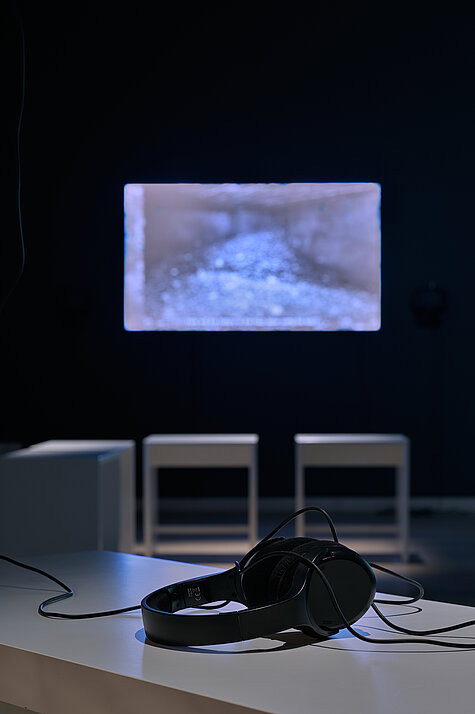 Installation Shot, Franz Wanner. Suspended Presences, Lenbachhaus Munich, 2026. Photo: Ernst Jank © Franz Wanner
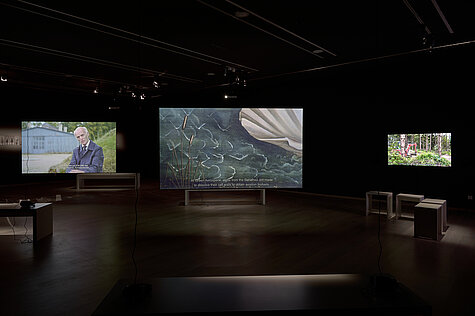 Installation Shot, Franz Wanner. Suspended Presences, Lenbachhaus Munich, 2026. Photo: Ernst Jank © Franz Wanner
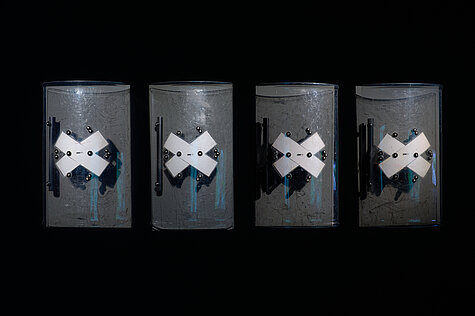 Installation Shot, Franz Wanner. Suspended Presences, Lenbachhaus Munich, 2026. Photo: Ernst Jank © Franz Wanner
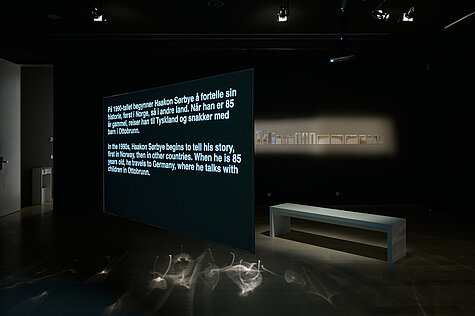 Installation Shot, Franz Wanner. Suspended Presences, Lenbachhaus Munich, 2026. Photo: Ernst Jank © Franz Wanner
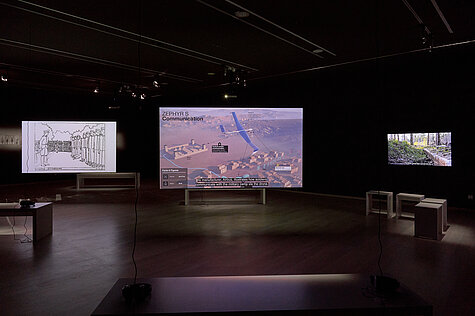 Installation Shot, Franz Wanner. Suspended Presences, Lenbachhaus Munich, 2026. Photo: Ernst Jank © Franz Wanner
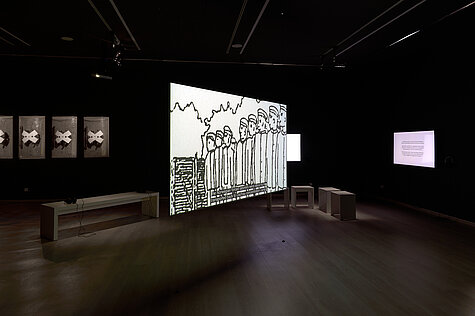 Installation Shot, Franz Wanner. Suspended Presences, Lenbachhaus Munich, 2026. Photo: Ernst Jank © Franz Wanner
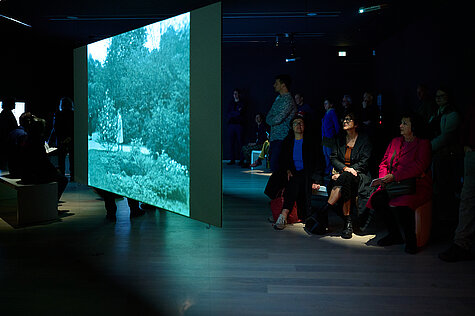 Installation Shot, Franz Wanner. Suspended Presences, Lenbachhaus Munich, 2026. Photo: Ernst Jank © Franz Wanner
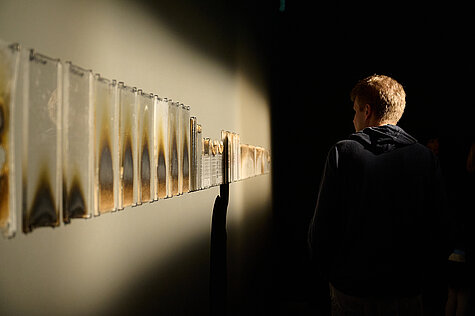 Installation Shot, Franz Wanner. Suspended Presences, Lenbachhaus Munich, 2026. Photo: Ernst Jank © Franz Wanner
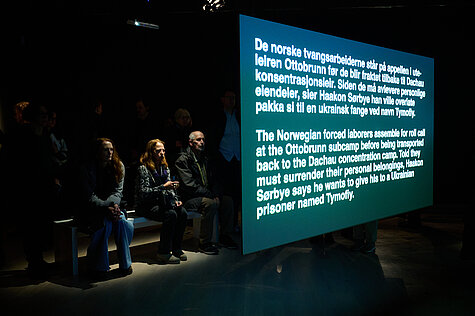 Installation Shot, Franz Wanner. Suspended Presences, Lenbachhaus Munich, 2026. Photo: Ernst Jank © Franz Wanner
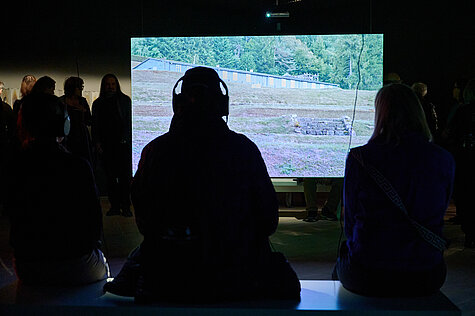 Installation Shot, Franz Wanner. Suspended Presences, Lenbachhaus Munich, 2026. Photo: Ernst Jank © Franz Wanner
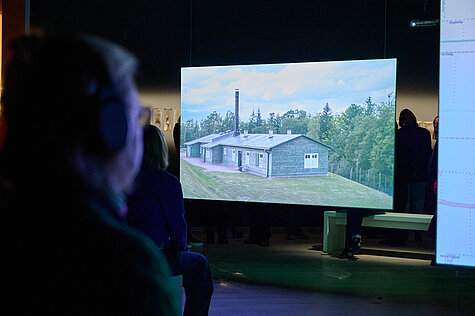 Installation Shot, Franz Wanner. Suspended Presences, Lenbachhaus Munich, 2026. Photo: Ernst Jank © Franz Wanner
